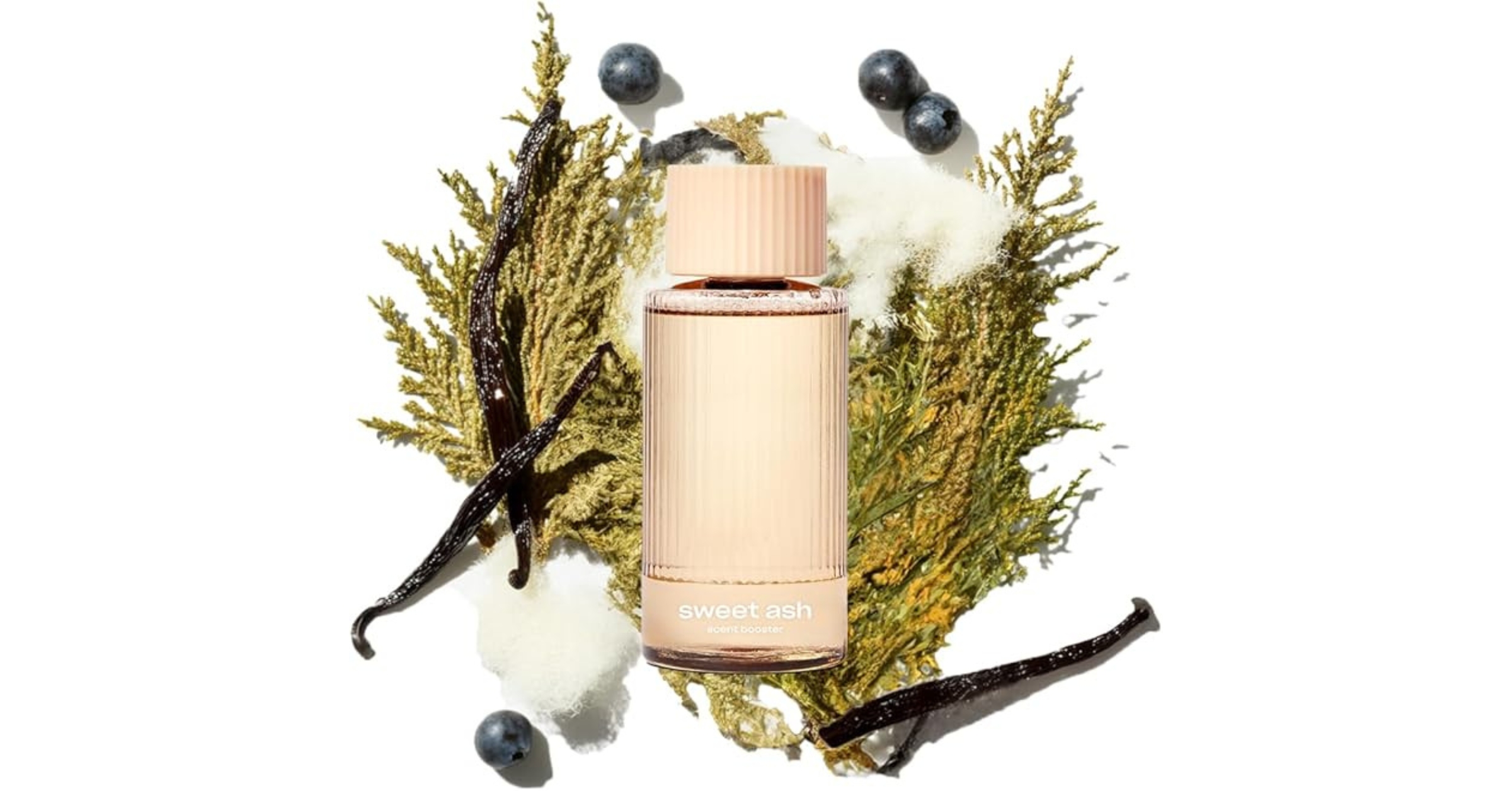
Most people buy perfume by instinct: a sniff at a counter, a recommendation from a friend, a bottle that looks good on a shelf. And most of the time, it doesn’t work out. Understanding fragrance families changes that entirely. It gives you a framework for knowing, before you buy, whether a scent is likely to suit you. This guide covers everything in the Fragrance Basics canon: what the families are, how they actually feel on skin, and how to use that knowledge to stop wasting money on the wrong bottles.
Table of Contents
What Are Fragrance Families?
Every perfume ever made can be placed into a fragrance family, a broad classification that describes its dominant scent character. These aren’t marketing labels. They’re a working system used by perfumers, industry bodies, and fragrance educators to organise the enormous variety of scents into something navigable.
The concept dates back to the early 20th century but was systematised most usefully by British fragrance expert Michael Edwards in the 1980s with the development of the Fragrance Wheel. The idea is straightforward: if you know which families you respond well to, you can identify new perfumes confidently, even without smelling them first.
It’s an especially useful skill given how much online fragrance shopping has grown. You can’t smell a thumbnail.
The Fragrance Wheel: A Quick Orientation
The Fragrance Wheel is the most widely used visual framework for organising fragrance families. It arranges families in a circle based on their relationship to one another. Adjacent families share notes in common, while opposite families tend to contrast.
The current edition, maintained by Fragrantica and aligned with the broader industry standard, groups scents into four main quadrants: Fresh, Floral, Oriental (Amber), and Woody. Within those quadrants sit several more specific sub-families.
It’s worth keeping this mental map in mind as you read through the families below. If you already know you love one family, the adjacent families are almost always worth exploring next.
The Main Fragrance Families, Broken Down
Floral

Floral is the largest fragrance family and the most commercially dominant, particularly in women’s perfumery. At its core, it centres on the smell of flowers: rose, jasmine, peony, lily of the valley, tuberose, iris. But “floral” covers an enormous range, from sheer and airy to rich and heady.
Light florals tend to feel fresh and wearable year-round. Heavy florals (think dense jasmine or narcissus) carry a sensual, almost intoxicating weight. The sub-family of floral aldehydic (think classic Chanel No. 5) adds a soapy, powdery lift that feels unmistakably vintage.
Who it suits: Those who want something feminine, approachable, and widely appealing. Florals are rarely polarising and work well in most social contexts.
Oriental (Amber)
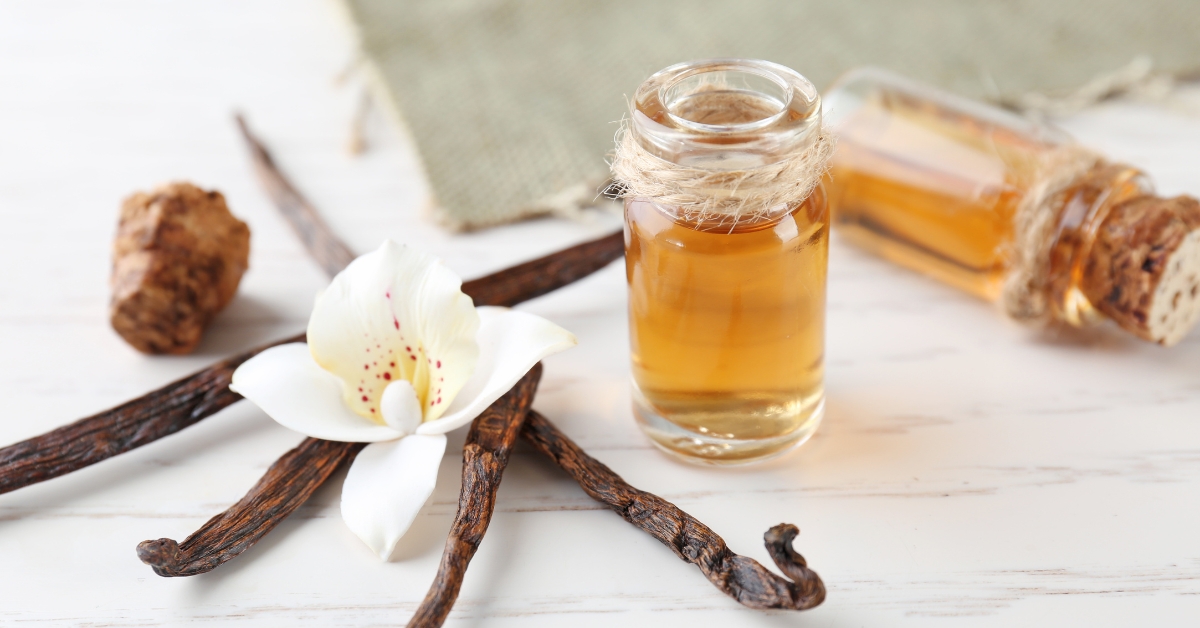
Oriental fragrances, increasingly labelled Amber in modern catalogues to reflect evolving sensitivities, are warm, rich, and deeply sensory. Common notes include vanilla, amber, benzoin, labdanum, musk, incense, and exotic resins. They lean sweet, smoky, or spiced depending on the specific blend.
These are the perfumes that project, that linger on fabric long after the wearer has left the room. Subcategories include Soft Oriental (gentler, often powdery), Floral Oriental (floral top notes over a warm base), and Woody Oriental (earthier, drier).
Who it suits: Those who want presence and complexity. Orientals reward patience. They often evolve dramatically over hours on skin, which makes them especially satisfying to wear.
Woody

Woody fragrances are grounded in materials like sandalwood, cedarwood, vetiver, patchouli, and oud. They range from dry and austere to warm and creamy depending on the supporting notes. The woody family skews unisex and has become one of the most commercially popular directions in modern perfumery.
Within the family, Mossy Woods (including chypre-influenced blends) add earthy, fungal depth. Dry Woods lean towards incense, smoke, and mineral tones. Woody Aromatic blends green or herbal elements into the wood structure.
Who it suits: Those who prefer depth without sweetness, or who want something that reads as grounded and sophisticated rather than immediately pretty.
Fresh

The Fresh family covers everything that reads as clean, light, and invigorating. It includes three distinct sub-families: Citrus (bergamot, lemon, grapefruit, neroli), Green (cut grass, violet leaf, galbanum), and Aquatic (marine accords, sea salt, ozone).
Fresh fragrances are typically the most unisex and casual of the families. They’re the go-to for warm weather, sport, and office environments where projection needs to stay low. They tend to have the shortest longevity on skin, a trade-off worth knowing before buying.
If you’re shopping specifically for warm weather, our guide to the best fragrances for hot weather covers exactly which fresh picks hold up when temperatures rise.
Fougère

Fougère (French for “fern”) is a classic masculine accord built on three pillars: lavender, oakmoss, and coumarin (a hay-like compound found in tonka bean). It’s an entirely constructed accord (ferns don’t actually smell like this), but it became the blueprint for most traditional men’s fragrances from the 1970s through the 1990s.
Modern fougères have evolved considerably. Many now lean aquatic, woody, or aromatic rather than the vintage mossy structure. But the DNA (clean, slightly powdery, herbal) remains recognisable and widely appealing.
Who it suits: Those who want something classically masculine and understated. Fougères remain reliable, versatile choices for everyday wear.
Gourmand

Gourmand fragrances smell edible. They’re built around food-adjacent materials: vanilla, caramel, chocolate, coffee, praline, salted butter. The genre was largely pioneered by Thierry Mugler’s Angel in 1992 and has been a major commercial force ever since.
Gourmands occupy a unique space: they’re sweet and comforting, but unlike Oriental fragrances, the sweetness is deliberately food-like rather than resinous or incense-based. Contemporary gourmand blends often add a woody or smoky counterpoint to prevent the scent from reading as dessert.
Who it suits: Those who respond warmly to sweetness and want something that feels enveloping rather than sharp. Gourmands tend to read as personal and intimate. They don’t project in the way that heavy Orientals do.
Chypre
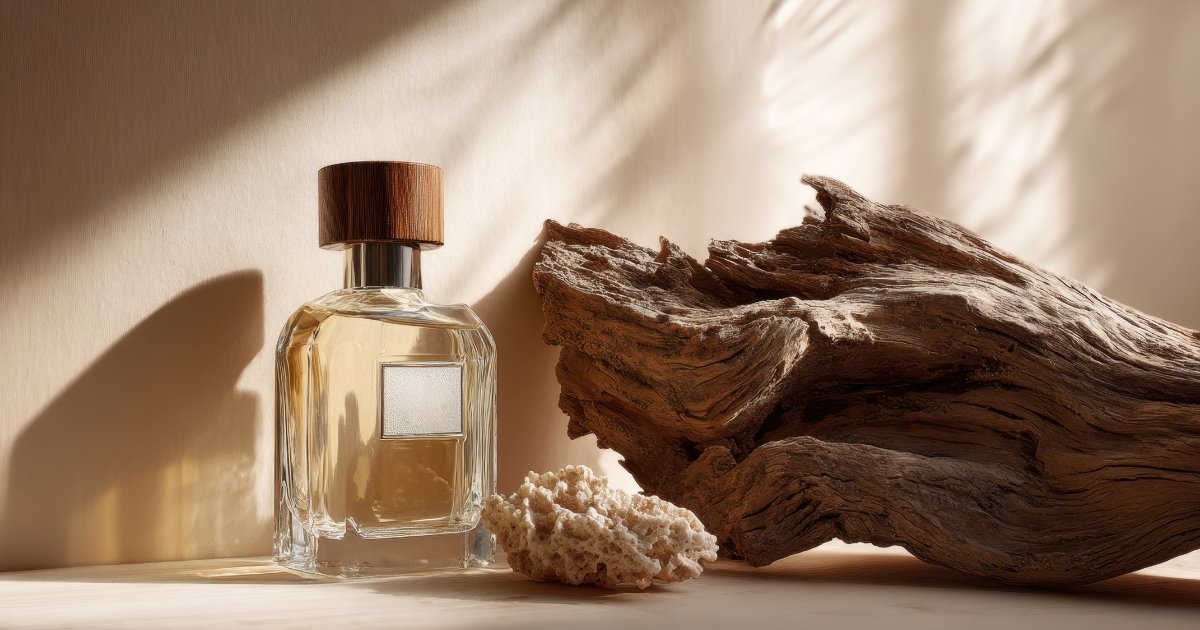
Chypre (pronounced “sheep-ruh”, French for Cyprus) is one of the oldest and most respected fragrance families, built on a classic accord of bergamot, labdanum, and oakmoss. The family produces fragrances that feel simultaneously fresh and earthy, elegant and slightly animalic.
Reformulation pressure from IFRA regulations (which restrict oakmoss due to allergen concerns) has transformed many classic chypres, and true oakmoss-forward chypres are increasingly rare. Modern chypres often substitute ISO E Super or other woody materials, producing a drier, more transparent result.
Who it suits: Those who appreciate complexity and history in their perfumery. Chypres are less immediately accessible than florals or fresh scents, but deeply rewarding.
Aromatic

Aromatic fragrances are built on herbal and spice notes like lavender, rosemary, sage, thyme, and basil, typically set over a woody or fougère base. They’re clean and assertive, with a slightly medicinal or culinary edge depending on the blend.
This family is predominantly masculine in commercial positioning, though a growing number of unisex and feminine aromatics have emerged. They work exceptionally well in casual and outdoor contexts.
How to Figure Out Which Family You Belong To
The most reliable method is to work backwards from perfumes you already know you love. Pull out the bottles in your collection, or think back to the ones that’ve drawn compliments, and look them up on Fragrantica or a similar database. The fragrance family will be listed.
If three of your favourites are Oriental, you almost certainly have a preference for warmth and sweetness. If they’re all fresh and citrus, you likely gravitate toward lightness and clean projection. Patterns emerge quickly.
It’s also worth reading our piece on why fragrances smell different on skin, because skin chemistry genuinely interacts with fragrance families differently. Heavy musks and ambers often amp on certain skin types; fresh citrus notes can vanish within an hour on others. Understanding both your family preferences and your skin’s tendencies makes for significantly better buying decisions.
If you’re starting from scratch with no reference points, sampling is the most efficient route. Discovery sets from brands like Maison Margiela Replica, Commodity, or Phlur let you test multiple families for a fraction of the price of a full bottle.
From Family to Bottle: Making the Right Buy
Once you’ve identified a family (or two) you respond well to, you can narrow your search considerably. Here’s how that plays out in practice.
If you’re in the Floral or Oriental family and looking for something that holds all day, longevity should be a primary filter. Parfum concentrations of floral and oriental perfumes almost always outperform their eau de toilette counterparts on skin. The difference can be three to four hours of additional wear.
Our guide to the best long-lasting perfumes for women focuses specifically on this: fragrances that deliver on their promise across a full day, not just the first hour.
If you’re shopping in the Fresh or Woody family and your budget is under £40/$50, the options are better than they’ve ever been. See our best men’s colognes under $50 for a current shortlist that holds its own against significantly pricier competitors.
For those looking to cover multiple occasions with a considered collection rather than a single bottle, the concept of a fragrance wardrobe (one scent per family, each serving a different context) is worth understanding. Our guide to building a fragrance wardrobe walks through exactly how to approach it.
One More Thing Worth Knowing: Concentration
Fragrance family and concentration are two separate things, but they interact. A heavy Oriental at Extrait de Parfum concentration is a very different proposition from the same family at Eau de Cologne strength. Before you commit to a bottle, it’s worth understanding what the different concentration levels actually mean in practical terms, not just on paper, but on your skin over the course of a day.
Getting this right can be the difference between a perfume that feels oppressive and the same fragrance feeling exactly as intended.
The Takeaway
Fragrance families are not a rigid rulebook. They’re a navigational tool, one that rewards familiarity. The more comfortable you become moving around the wheel, identifying what appeals to you and why, the easier it becomes to spend money wisely and wear scent with genuine confidence.
Most people who say they “can’t find a perfume they like” simply haven’t had the framework to search effectively. This is the framework. Use it before you buy anything else.


One comment on “Fragrance Families Explained: How to Know What You’ll Like Before You Buy”
Comments are closed.