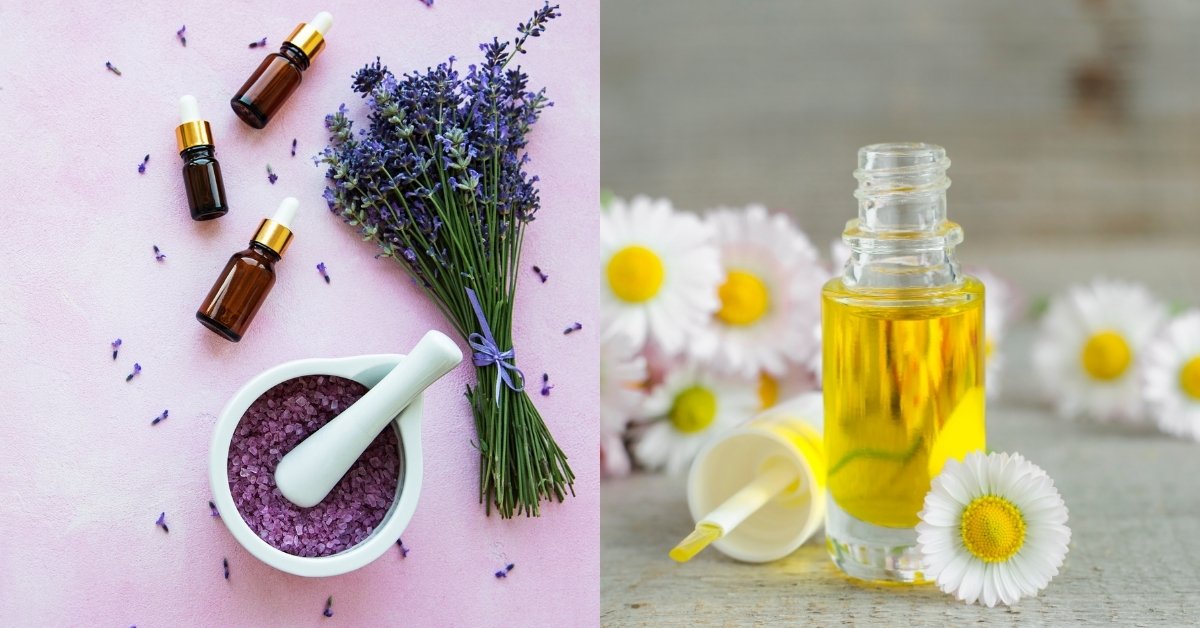
If you have spent any time researching natural remedies for anxiety, you have probably come across both lavender and chamomile. They show up in teas, supplements, candles, and diffusers. But which one actually holds up under scientific scrutiny? The debate around lavender vs chamomile for anxiety is more nuanced than most wellness content lets on. This guide combs through the clinical research, separates the aromatherapy evidence from the supplement evidence, and gives you a clear-eyed view of what these calming scents can and cannot do.
Table of Contents
Why These Two Oils Are Always Compared
Both lavender and chamomile have centuries of use in traditional medicine as calming agents. Both are widely available, affordable, and marketed as gentle options for stress and anxiety. That positioning is not entirely without basis, but the quality and depth of research behind each oil differ considerably.
Understanding those differences matters because anxiety is not something to manage casually. Whether you are using these oils for mild situational stress or as a complement to a broader mental health strategy, knowing what the evidence actually supports allows you to use them more effectively.
Lavender for Anxiety: What the Research Shows
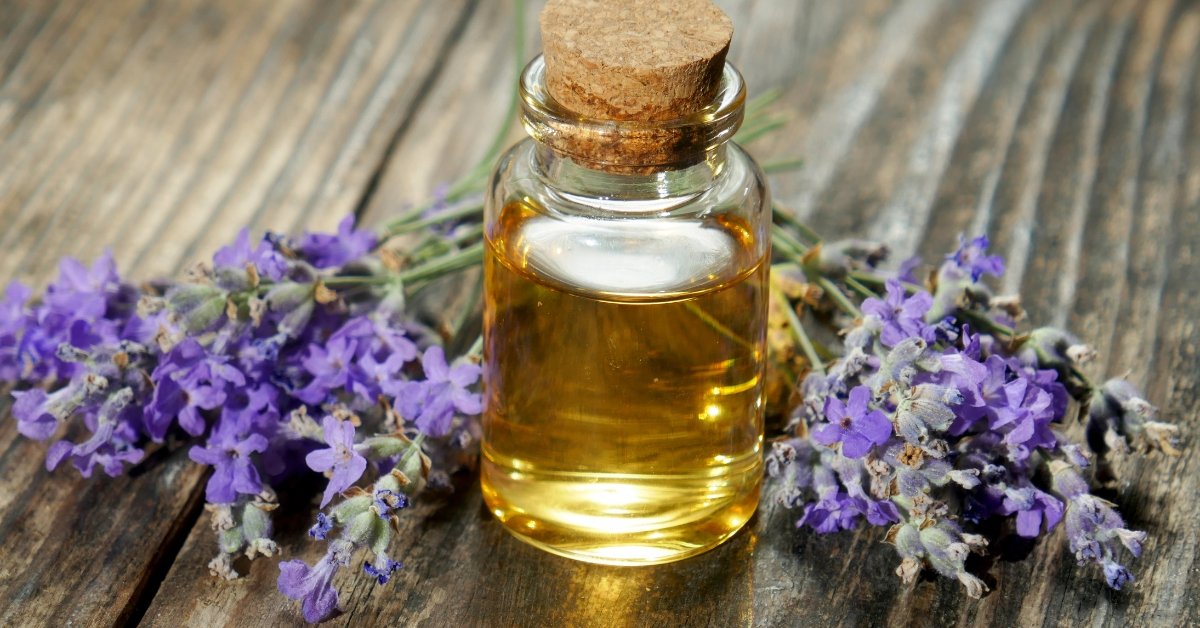
Lavender has the most studied profile of any essential oil for anxiety. Its primary active compounds are linalool and linalyl acetate, both of which interact with the central nervous system. The evidence for their anxiolytic effects is more robust than most people realize.
Clinical Trials on Lavender Aromatherapy
Several well-designed studies have demonstrated that lavender aromatherapy produces measurable reductions in anxiety. A 2012 study in European Neurology found that patients who inhaled lavender oil before intravenous catheter insertion reported significantly lower anxiety scores than those who did not. Similar results have been replicated in dental waiting rooms, pre-surgical settings, and intensive care environments.
Silexan: When Lavender Reaches Pharmaceutical Status
This is where lavender’s evidence base becomes genuinely impressive. Silexan is an oral lavender oil preparation (80 mg capsules, sold as Lasea in Germany) that has received approval as a prescription-level treatment for anxiety disorders. Multiple randomized controlled trials comparing it to lorazepam, a pharmaceutical benzodiazepine, and to paroxetine, an SSRI, have shown it performs comparably for generalized anxiety disorder, without the sedation or dependency risk.
The National Center for Complementary and Integrative Health (NCCIH) acknowledges promising evidence for lavender in anxiety contexts while cautioning that many aromatherapy studies are small and variable in methodology. That is an honest caveat. But the Silexan data specifically represents a higher tier of evidence than most plant-based interventions ever reach.
What This Means Practically
For aromatherapy use, the evidence supports a real but modest anxiolytic effect. Lavender works best for acute situational stress: before a medical procedure, during a difficult night, or as part of a wind-down routine. It is not a replacement for clinical treatment of anxiety disorders.
Chamomile for Anxiety: What the Research Shows
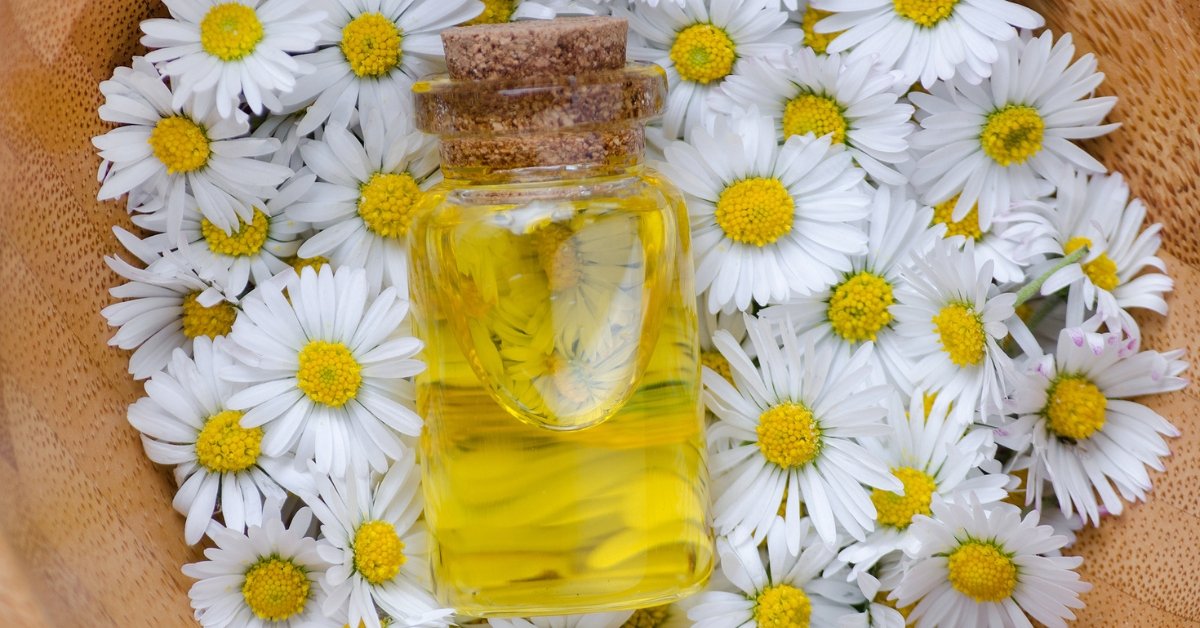
Chamomile’s calming reputation is ancient. The two most common species are Roman chamomile (Anthemis nobilis) and German chamomile (Matricaria chamomilla). They differ in chemical composition, and most anxiety research has been conducted on German chamomile, typically in extract or supplement form rather than as an essential oil.
The Active Compound: Apigenin
The key compound in chamomile linked to anxiolytic effects is apigenin, a flavonoid that binds to benzodiazepine receptors in the brain. This is the same receptor system targeted by pharmaceutical anti-anxiety medications, which is why chamomile’s mechanism of action is considered biologically plausible rather than speculative.
Clinical Evidence for Chamomile
A notable long-term study published in Phytomedicine (2016) by researchers at the University of Pennsylvania followed patients with generalized anxiety disorder taking chamomile extract over 26 weeks. The study found significant reduction in anxiety symptoms during the treatment phase. Crucially, patients who continued the extract were significantly less likely to relapse than those switched to a placebo, suggesting chamomile may have a sustained rather than purely acute effect.
However, this research is almost entirely on oral chamomile extract, not chamomile essential oil used aromatically. The leap from “chamomile supplement reduces anxiety” to “chamomile aromatherapy reduces anxiety” is one the current evidence does not fully support.
Chamomile Aromatherapy Specifically
Research on inhaled chamomile essential oil is considerably thinner than the oral extract literature. Some small studies have shown that chamomile aromatherapy reduces cortisol levels and self-reported anxiety, but these are fewer in number, smaller in scale, and less methodologically rigorous than the lavender aromatherapy body of work.
This does not mean chamomile aromatherapy has no effect. It means the effect has not been validated to the same standard yet.
Recommended:
Head-to-Head: Where Each Oil Has the Stronger Case
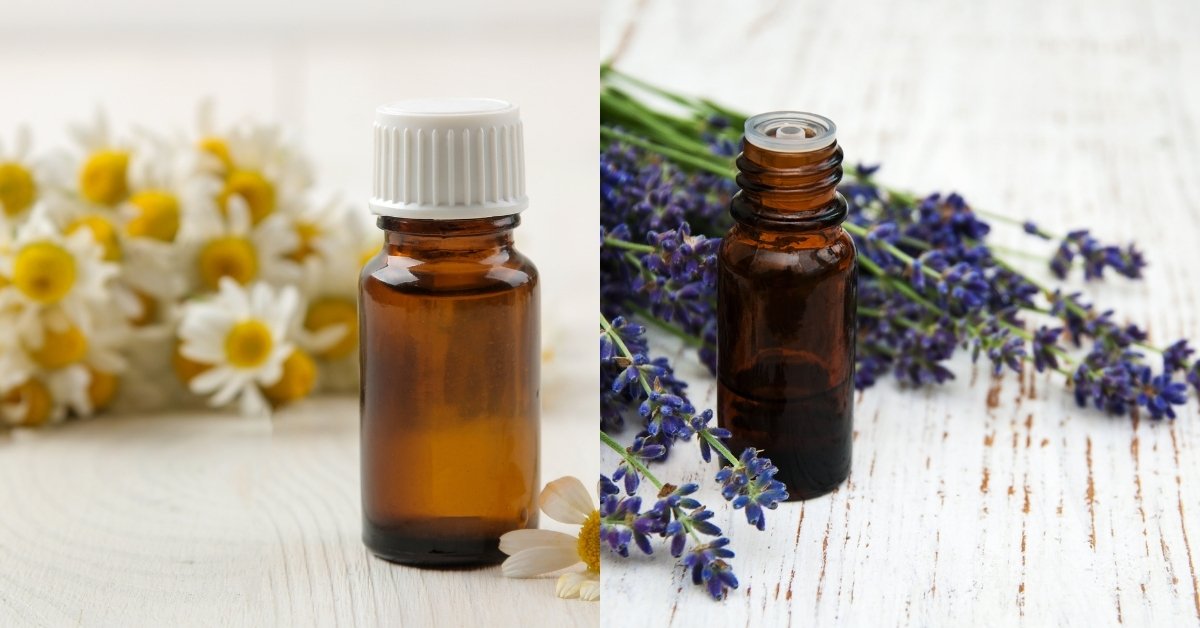
Rather than declaring a single winner, it is more useful to think about which oil has stronger evidence for which specific use case.
For aromatherapy and inhaled use: Lavender has the clearer evidence base. Multiple clinical settings have validated its acute anxiolytic effects. If diffusing or inhaling is your intended delivery method, lavender is the better-evidenced choice.
For oral supplementation: Chamomile extract has compelling clinical data, particularly for generalized anxiety. Lavender as Silexan also has strong oral evidence, but Silexan is a proprietary preparation and not equivalent to standard lavender capsules from a health food store.
For sleep-related anxiety: Both oils show benefits in sleep research, with lavender carrying the larger body of supporting studies. If you want to build this into a consistent evening routine, our guide to creating a bedtime ritual with scents covers how to layer calming oils effectively.
For long-term generalized anxiety: The University of Pennsylvania chamomile trial suggests oral extract may be particularly well-suited here, though again, this applies to the supplement form, not aromatherapy.
The Safety Picture
Both oils are generally well-tolerated, but neither is without risk. Our full essential oil safety guide covers the broader landscape, but a few points are worth highlighting specifically for lavender and chamomile.
Lavender Safety Notes
Lavender is among the more frequently cited oils in research on hormonal disruption. Some studies have raised concerns about its potential estrogenic effects, particularly in prepubertal boys with repeated topical exposure. The evidence is not conclusive, but it warrants caution around young children. For all topical applications, lavender should be diluted in a carrier oil.
Chamomile Safety Notes
Chamomile belongs to the Asteraceae (daisy) family. People with allergies to ragweed, chrysanthemum, or marigold may react to it. Allergic reactions, including contact dermatitis and in rare cases anaphylaxis, have been documented. If you have a known allergy to this plant family, both chamomile aromatherapy and supplements warrant extra caution.
Neither oil should be used therapeutically during pregnancy without medical guidance. Chamomile has uterine-stimulating properties in high doses, and lavender’s effects during pregnancy are not well studied.
Recommended:
How to Use Each Oil in Practice
Understanding the evidence is only useful when you can translate it into a routine. Here is how to approach each oil based on what the research actually supports.
Lavender in Practice
Diffusion is the delivery method most closely aligned with how lavender has been studied aromatically. If you do not yet have a diffuser, our guide to the best essential oil diffusers for beginners will help you find a practical option without overcomplicating the choice.
A few drops diffused in the bedroom 30 minutes before sleep, or inhaled from a tissue or personal inhaler ahead of a stressful event, mirrors the delivery methods used in clinical studies more closely than a scented candle or bath product would.
For topical use, dilute lavender at 1 to 2% in a carrier oil such as fractionated coconut oil or jojoba and apply to the inner wrists, temples, or the back of the neck.
Chamomile in Practice
Given that chamomile’s strongest evidence is for oral extract, consider chamomile tea or a standardized chamomile supplement as your primary use case if your goal is anxiety management. Look for supplements standardized to apigenin content, and choose a brand with third-party quality testing.
For chamomile aromatherapy, Roman chamomile essential oil has a softer, more apple-like character compared to the heavier, earthier German variety. It blends well with lavender, making a combined diffuser blend a reasonable way to explore both oils simultaneously.
Do You Need to Choose One Over the Other?
For most people dealing with mild to moderate situational anxiety or everyday stress, the lavender vs chamomile question does not require a definitive answer. These oils are not mutually exclusive. Using them together in a diffuser blend or pairing chamomile tea with a lavender diffusion session is a reasonable, evidence-adjacent approach.
Where the distinction matters more is in clinical or supplement contexts. If you are exploring oral interventions for a diagnosed anxiety condition, the evidence landscapes diverge enough to be meaningful. In that case, a conversation with a healthcare provider who is familiar with botanical research is the right starting point rather than relying on general wellness content.
The Bottom Line
Lavender holds the stronger, more consistent evidence base for anxiety when the delivery method is aromatherapy. Multiple clinical settings have validated its acute anxiolytic effects, and the Silexan data gives it a level of pharmaceutical credibility that is unusual for an essential oil. If you are making one investment in a calming essential oil with inhaled use in mind, lavender is the evidence-backed choice.
Chamomile earns its place not primarily through aromatherapy research but through oral extract studies, particularly for generalized anxiety disorder. It is a plausible aromatherapy option with a sensible biological mechanism, but the aromatherapy-specific evidence trail is thinner.
Neither oil is a standalone treatment for anxiety disorders. Both can be meaningful additions to a broader wellness routine when used appropriately, with realistic expectations, and with attention to who should exercise extra caution.