You light a candle, settle in, and for a little while your home smells wonderful. Then, about an hour later, the room feels flat again. If you have ever wondered why your candle stops smelling before the wax is even halfway gone, you are far from alone. It is one of the most common questions in home fragrance, and the answer is rarely what people expect. Most of the time, a handful of fixable factors are at play, from wick health and burn habits to basic nose science and room conditions. Here is exactly what is happening and what you can do about it.
Table of Contents
First, a Quick Note on Scent Throw
Before getting into causes, it helps to understand what “scent throw” actually means. In candle terminology,
cold throw refers to the scent a candle gives off when unlit. Hot throw is the fragrance released when the candle is actively burning and the wax has melted into a pool around the wick. When people complain that their candle stops smelling after an hour, they are almost always describing a hot throw problem.
And here is the important part: hot throw depends on several variables working together. Fragrance oil quality, wax type, wick size, burn habits, and room conditions all have a role. Identifying which one is failing you makes fixing it much simpler.
Reason 1: Your Nose Has Adapted (This Is the Most Common Culprit)
The most frequent reason a candle seems to stop smelling has nothing to do with the candle at all. The human olfactory system is remarkably sensitive, but it adapts fast. After about 15 to 30 minutes of continuous exposure to the same scent, your brain begins to filter it out. This process, known as olfactory adaptation or nose blindness, is a built-in survival mechanism. Your brain stops signaling the presence of a constant, non-threatening smell to conserve attention for new information.
The fragrance has not disappeared from the room. Your nose has simply stopped registering it.
You can test this easily. Step outside for five minutes, then walk back in. If the scent greets you at the door, the candle is performing perfectly. The problem was never the candle.
The practical fix is to rotate between two or three different scents throughout the week. This keeps your olfactory system from going blind to any one fragrance. Layering your home fragrance approach, such as using a reed diffuser in the hallway and a candle in the living room, also helps, since the variety prevents habituation from setting in as quickly.
Reason 2: The Wick Is the Wrong Length
The wick is essentially the engine of a candle’s scent throw, and it is the factor most people overlook completely. Here is how it affects performance on both ends of the spectrum.
A wick that is too short creates a small, shallow melt pool. Only a narrow ring of wax around the flame actually liquefies, which drastically reduces the surface area releasing fragrance into the air. The result is a candle that technically burns but barely scents the room.
A wick that is too long burns too hot. It consumes the fragrance oil too quickly, generating excess soot and smoke rather than diffusing scent evenly. An oversized flame looks impressive but it is wasting fragrance, not delivering it.
The target is simple: trim the wick to roughly a quarter of an inch before every single burn. A dedicated wick trimmer keeps things precise, but a pair of sharp scissors works fine too. This one habit alone can meaningfully improve how a candle performs, and it is probably the most underrated piece of candle care advice there is.
Reason 3: The First Burn Set a Bad Pattern
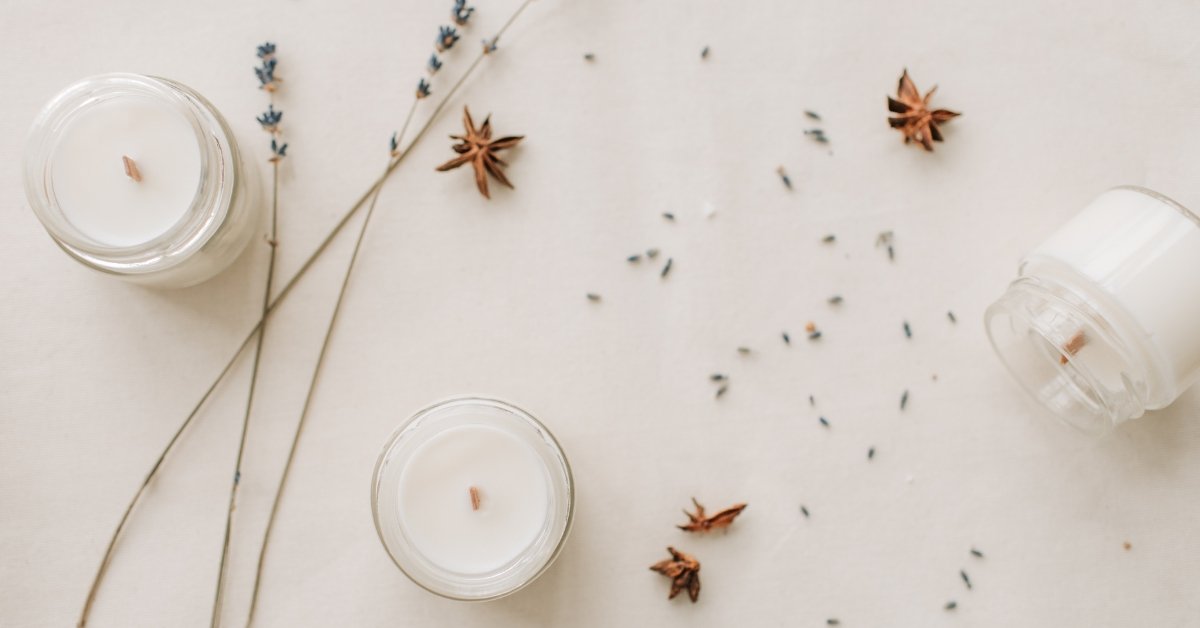
This one surprises people. Candle wax has what makers call “memory.” If you light a candle and extinguish it before the melt pool has reached the full diameter of the container, the wax will only ever melt to that same boundary in future burns. The fragrance-rich wax around the edges never gets warm enough to release its scent. This is tunneling, and it is a permanent problem once it sets in.
A candle that tunnels from its very first burn can lose a significant portion of its fragrance potential permanently, because all that wax sitting above the wick line never truly melts.
The fix is straightforward but requires patience: on the first burn, let the candle go until the melt pool reaches the edge of the container across the entire surface. Depending on the jar size, this takes between two and four hours. It is worth planning for it. Think of the first burn as the candle’s setup session, the one that determines everything that follows.
Reason 4: The Candle Does Not Have Enough Fragrance Oil
Not all candles are built the same way. Fragrance load refers to how much fragrance oil a candle contains relative to its wax weight. Budget candles frequently carry a fragrance load of just 3 to 5%, while better-quality candles typically sit at 8 to 12%. The difference in room presence is dramatic, and no amount of wick trimming or careful burning will compensate for a candle that simply was not made with enough fragrance oil.
Wax type also plays a role here. Paraffin wax has historically delivered a stronger hot throw, while soy wax burns cleaner but tends toward a softer scent profile. Modern coconut-soy blends are increasingly competitive on scent throw while keeping the cleaner burn profile, and they are worth looking at if you want the best of both.
If fragrance load is the issue, the solution is to invest in a better candle. For a roundup of options that consistently deliver strong scent throw based on what buyers actually report, our best scented candles on Amazon guide covers picks across price points.
Reason 5: The Room Is Working Against the Candle
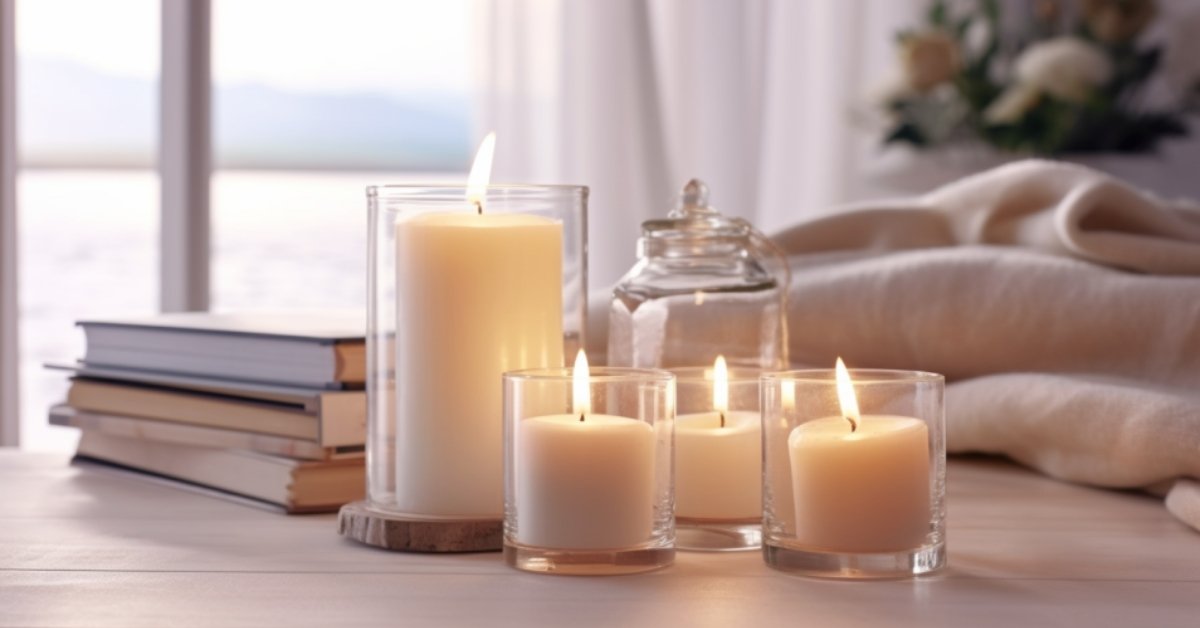
Room conditions have a bigger effect on candle scent throw than most people realize. Open windows, ceiling fans, air conditioning vents running nearby, or a high-traffic area with regular airflow can all scatter fragrance before it builds up in the room. A single candle near an open window is essentially competing with an infinite amount of outdoor air.
Room size matters just as much. A small single-wick candle in a large, open-plan living room will always feel underwhelming. The candle is not failing; it is just undersized for the job.
The fix is to burn candles in enclosed or semi-enclosed spaces for the strongest experience. Close doors and limit airflow for the first 20 to 30 minutes to let the scent concentrate. For large rooms, look for candles with multiple wicks, which create a larger melt pool and release more fragrance from a broader surface. Using two candles of the same scent simultaneously is another effective approach. For room-by-room fragrance strategies, our guide on how to make your home smell good covers this in useful depth.
Reason 6: The Candle Is Past Its Best
Fragrance oils degrade over time. A candle stored in direct sunlight, left sitting uncapped for months, or kept in a warm drawer will lose its potency before you have even struck a match. Heat and UV exposure break down the volatile aromatic compounds in fragrance oil, which is why a candle that smelled extraordinary in the shop can disappoint you six months later on the shelf at home.
For best results, store candles with their lids on, away from windows and heat sources, and try to use them within 12 to 18 months of purchase. It is also worth giving any new candle a sniff before lighting it. If the cold throw seems faint straight out of the tin, the hot throw is unlikely to impress you either.
Candle Fragrance Tips: Getting the Most Out of Any Candle
Putting all of the above together, here are the habits that make the biggest consistent difference:
Trim the wick to a quarter inch before every single burn without exception. Let the melt pool reach the full edge of the container on the very first burn, however long that takes. Burn in closed or semi-closed rooms rather than drafty, open spaces. Keep windows and fans off for at least the first half hour. Do not burn any candle for more than four consecutive hours, as extended burn sessions can cause the fragrance to burn off rather than diffuse properly into the air. Rotate between different scents across the week to keep your nose responsive. Store candles lidded, cool, and away from light.
For a more detailed, maker-level breakdown of how wax type and fragrance load affect scent throw, The Flaming Candle’s guide to candle scent throw is a thorough resource worth bookmarking. It goes into the chemistry of fragrance binding and the specific temperatures that affect how oil releases into the air during a burn.
When the Candle Itself Is the Problem
If you have worked through all the habits above and the candle still fades within an hour, the product itself is likely underpowered. This is frustrating, but it is also a surprisingly common experience. Many mass-market candles prioritize aesthetics and price over fragrance performance, and a beautifully packaged candle is no guarantee of strong scent throw.
Knowing what to look for before you buy makes a significant difference. Look for candles that list a fragrance load of 8% or higher, use coconut-soy or paraffin blends rather than straight soy if scent throw is your priority, and check verified buyer reviews for real-world notes on how the candle actually performs in a room. Our guide to the best scents to make your home feel fresh and inviting covers some of those considerations alongside specific scent recommendations.
The Short Version
When a candle stops smelling after an hour, it usually comes down to one of six things: nose adaptation, a neglected wick, an incomplete melt pool, a low fragrance load, unfavorable room conditions, or degraded fragrance from poor storage. In most cases, the fix is genuinely simple and free.
Trim the wick, give the first burn enough time to fully pool, burn in the right environment, and rotate your scents. A quality candle used well should hold its scent through the entire burn session. If it is not doing that, now you know precisely which of these variables to address first.