Essential oils feel approachable. They’re natural, they smell wonderful, and they’re available on every pharmacy shelf. But essential oil safety is a topic that most new users learn about only after something goes wrong. Whether it’s a rash from undiluted application, a pet falling ill from diffuser mist, or skin that blisters in sunlight after using citrus oil, the mistakes are common and preventable. If you’ve been exploring essential oils and want to build a confident, worry-free routine, this guide covers the rules that matter most.
Table of Contents
Why “Natural” Does Not Mean Risk-Free
Essential oils are highly concentrated plant extracts. A single drop of peppermint oil can be the equivalent of more than two dozen cups of peppermint tea in terms of active compound concentration. That potency is what makes them effective. It is also what makes them dangerous when misused.
Undiluted oils can cause chemical burns, trigger allergic sensitization, disrupt hormonal function, and be toxic to children and animals. The fact that a product is botanical does not make it gentle. Treating essential oils with the same respect you would give any concentrated chemical is the foundation of safe use.
Rule 1: Always Dilute Before Applying to Skin
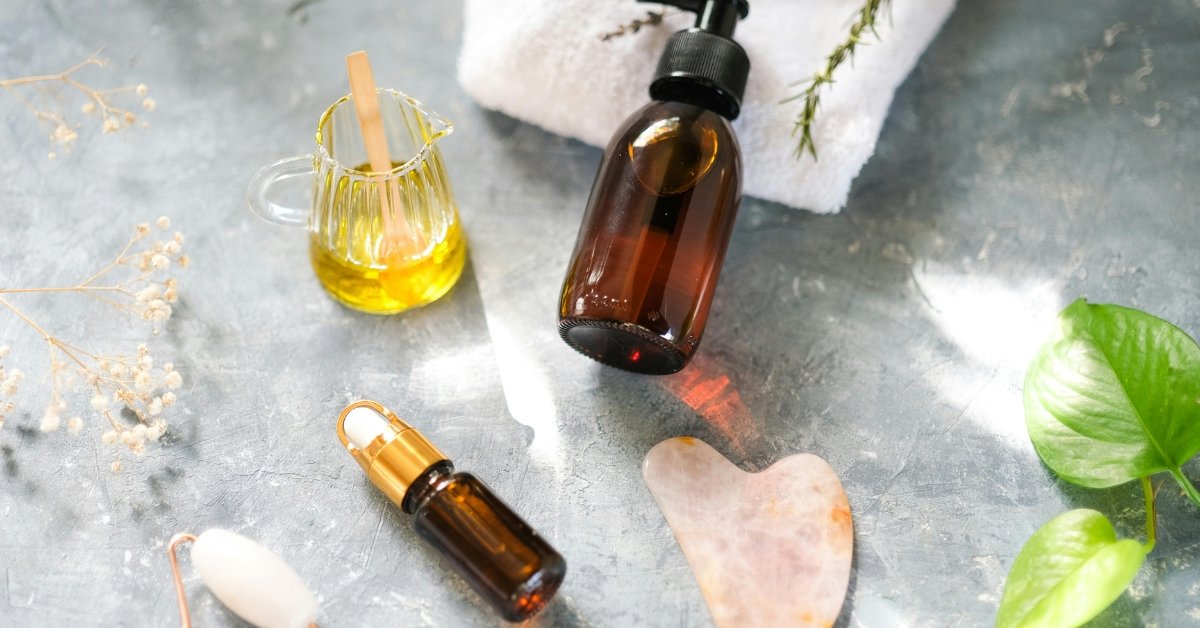
This is the rule most often ignored, and the one responsible for the majority of adverse reactions. Applying an undiluted essential oil directly to skin, sometimes called ‘neat’ application, is a mistake even with oils that are commonly marketed as safe for direct use.
Lavender and tea tree are frequently listed as exceptions, but dermatologists and aromatherapy practitioners consistently advise against neat application of any oil. Sensitivity can build over repeated exposure, and a reaction triggered this way can become permanent.
Recommended Dilution Ratios
Your carrier oil, such as fractionated coconut oil, sweet almond oil, or jojoba oil, is what makes topical use safe. The percentage of essential oil relative to carrier oil is your dilution ratio. Here are the standard guidelines:
| Use Case | Dilution | Drops per tsp carrier |
| Face / sensitive skin | 0.5% | ~1 drop |
| General adult body use | 2% | ~3 drops |
| Targeted (sore muscles, etc.) | 3% | ~5 drops |
| Short-term spot use | Up to 5% | ~8 drops |
| Children (ages 2+) | 0.5–1% | 1–2 drops |
A good carrier oil does more than dilute. It helps the oil absorb into skin more evenly, extends how long the scent lasts, and nourishes the skin in the process. Fractionated coconut oil is the most versatile choice for beginners because it is odorless, lightweight, and has a very long shelf life.
Rule 2: Citrus Oils and Sunlight Are a Problematic Pair
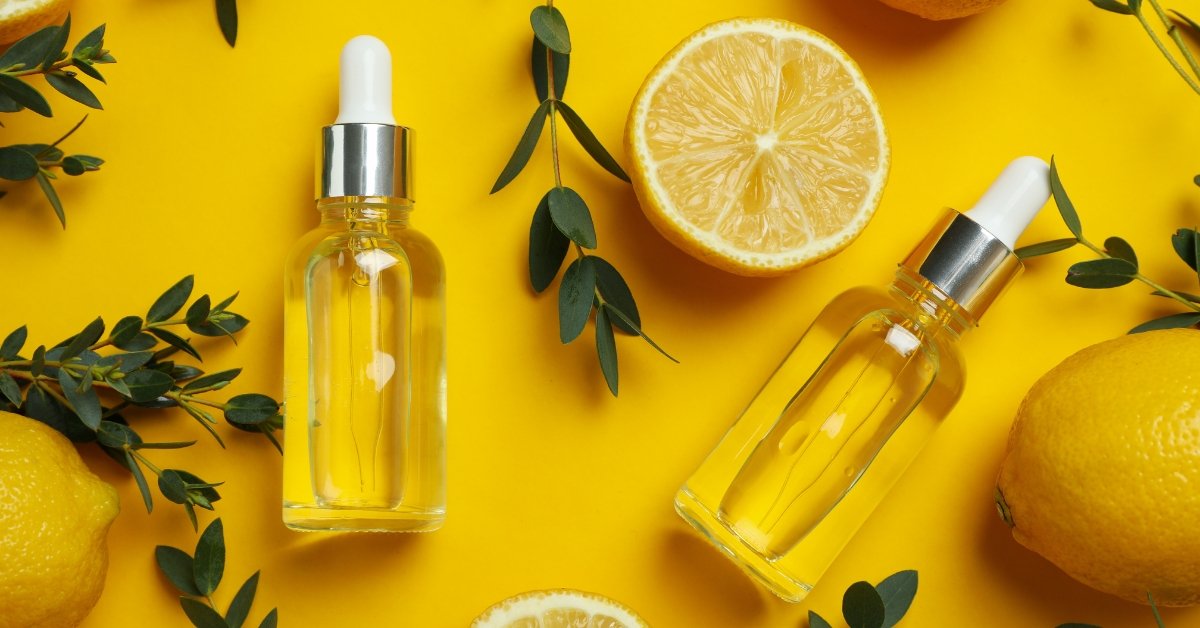
Cold-pressed citrus oils, including bergamot, lemon, lime, grapefruit, and sweet orange, contain compounds called furanocoumarins. When these compounds contact skin and are then exposed to UV light, they trigger a phototoxic reaction: burns, hyperpigmentation, and blistering that can take weeks to heal and may leave permanent marks.
The rule is simple. If you apply a cold-pressed citrus oil to skin that will be exposed to sunlight within 12 to 18 hours, you are taking a risk. Either use steam-distilled versions of these oils (which do not carry the same risk), apply them to areas that will remain covered, or diffuse them rather than using them topically.
Quick note: Bergamot is one of the most phototoxic oils available. If you enjoy applying it to your wrists or neck before heading outdoors, switch to a bergamot FCF (furanocoumarin-free) version, which has been specifically processed to remove the reactive compounds.
Rule 3: Diffusing Has Limits Too
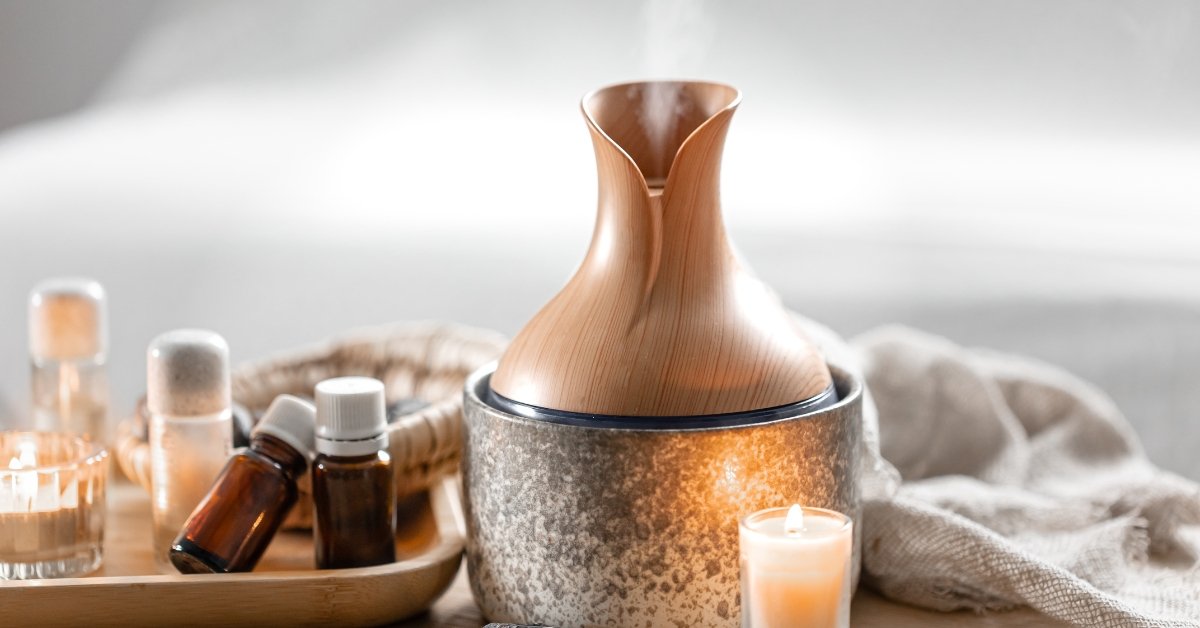
Aromatherapy diffusers are often treated as entirely passive and always safe. That perception is only partially accurate. When you run a diffuser continuously in a small, poorly ventilated space, you are exposing yourself and others to a concentration of volatile organic compounds that can irritate the respiratory tract, trigger headaches, and cause mucous membrane irritation.
The standard guidance from aromatherapy practitioners is to diffuse in cycles: 30 to 60 minutes on, then 30 to 60 minutes off. This allows the concentration in the air to normalize between sessions.
If you are just getting started and still deciding which type of diffuser suits your home, our guide to the best essential oil diffusers for beginners walks through what to look for and which models are worth your money.
Good ventilation also matters. Open a window slightly when diffusing, particularly with stronger oils like eucalyptus, clove, or cinnamon bark. These are mucous membrane irritants and can cause respiratory discomfort at higher concentrations, especially in people with asthma or sensitivities.
Rule 4: Essential Oils and Pets Require Serious Caution
Cats and dogs metabolize compounds very differently from humans. Cats in particular lack the liver enzymes needed to process phenols and other compounds found in oils such as tea tree, clove, cinnamon, oregano, thyme, eucalyptus, and many citrus varieties. Exposure can lead to liver failure, neurological damage, or death.
Dogs are more resilient than cats but are not immune. Tea tree oil, even in small amounts, has been documented in veterinary literature as a cause of acute toxicity in dogs. Symptoms of poisoning in pets include excessive drooling, vomiting, tremors, difficulty walking, and lethargy.
If you have pets in your home, follow these precautions:
- Diffuse only in rooms where pets cannot enter, or keep the room well-ventilated with an exit point for the animal.
- Never apply diluted oils to your pet’s fur or skin without direct guidance from a veterinarian experienced in aromatherapy.
- Store all oils securely out of reach. Pets are attracted to some scents and may attempt to lick exposed oil.
Bird owners should be especially cautious. Avian respiratory systems are highly sensitive, and essential oil diffusion in any concentration is generally considered unsafe around pet birds.
Rule 5: Children and Pregnant Women Need Extra Caution
Children have thinner, more permeable skin and less developed liver function, which means they absorb and process essential oil compounds differently than adults. What is safe at adult dilutions can be genuinely harmful to a young child.
Peppermint and eucalyptus, for example, contain menthol and 1,8-cineole respectively. Both compounds can cause respiratory distress in children under six when applied near the face or diffused in enclosed spaces. A full breakdown of which oils to avoid around children, and why, is covered in our piece on harmful essential oils for kids.
During pregnancy, the situation becomes even more nuanced. Some oils have uterotonic properties, meaning they can stimulate uterine contractions. Clary sage, rosemary, and cinnamon bark are commonly cited examples. Others affect hormone levels in ways that are not fully understood. The safest approach during pregnancy is to consult a healthcare provider before using essential oils in any form beyond gentle diffusion of well-researched options like lavender.
Rule 6: Ingesting Essential Oils Is Rarely Safe
Internal use of essential oils occupies a genuinely contested space in aromatherapy. Some multilevel marketing companies have aggressively promoted ingestion as standard practice, but this position is not supported by the broader aromatherapy and medical community.
Most reputable aromatherapy organizations, as well as medical professionals, caution strongly against internal use outside of clinical supervision. Even oils labeled as food-grade carry risk when ingested in undiluted form, particularly for the liver, kidneys, and mucous membranes.
The clear rule: Do not ingest essential oils unless you are working directly with a licensed healthcare practitioner who specializes in clinical aromatherapy and has assessed your individual health profile. This is not an area for self-experimentation.
Rule 7: Storage Affects Safety and Quality
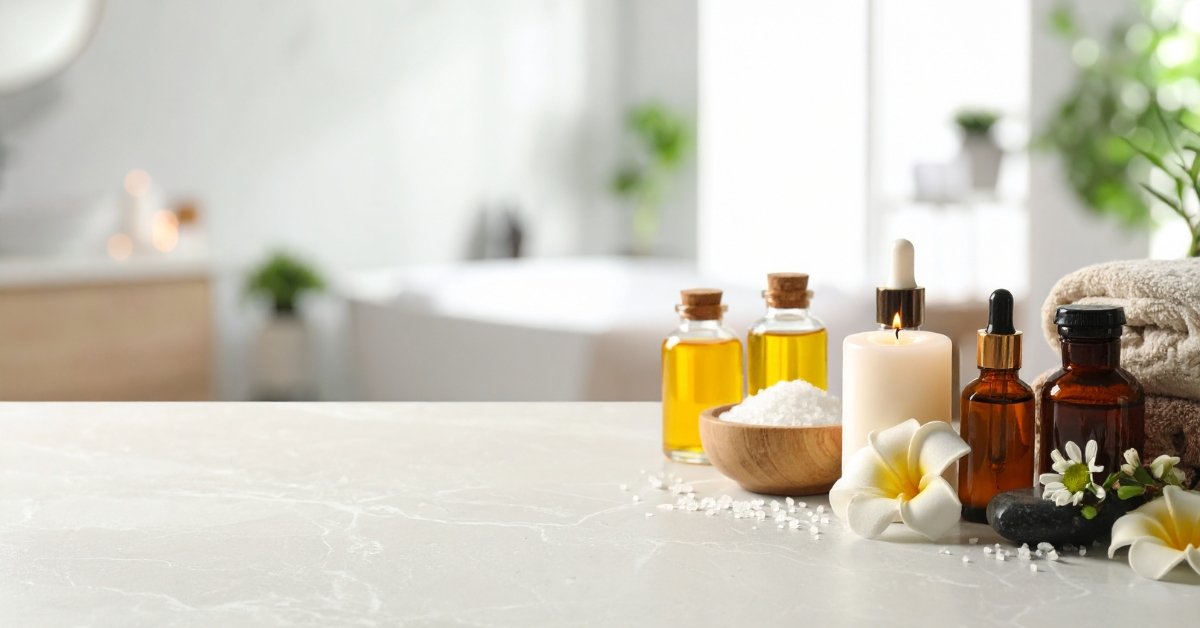
Essential oils oxidize over time, particularly when exposed to light, heat, and air. Oxidized oils are more likely to cause skin sensitization and irritation than fresh ones, because the chemical compounds that make them therapeutic also make them more reactive as they degrade.
Proper storage conditions are: dark glass bottles (never plastic for long-term storage), kept in a cool location away from sunlight, with lids secured tightly after each use. Most oils remain stable for one to three years under proper conditions. Citrus oils have a shorter shelf life, typically 12 to 18 months.
A simple test: if an oil smells noticeably different from when you bought it, sharper, more medicinal, or just off, it has likely oxidized and should not be used on skin.
How to Do a Patch Test Correctly
A patch test is a simple precaution that can prevent a significant reaction, particularly when using an oil for the first time. The process is straightforward:
Apply a small amount of your diluted oil blend (at the dilution ratio appropriate for your use case) to the inside of your forearm or the bend of your elbow. Cover it loosely and leave it for 24 hours without washing the area. If redness, itching, swelling, or any discomfort develops at any point, discontinue use of that oil. No reaction after 24 hours is a reasonable indicator of initial tolerance.
This test does not guarantee you will never develop a sensitivity, but it is a meaningful first check, especially with oils known to be common sensitizers like cinnamon bark, clove, and ylang ylang.
Building Your Routine on a Safe Foundation
Most people who run into problems with essential oils were simply never given accurate foundational information. The oils themselves are not the problem. The concentration, the application method, the exposure of vulnerable people or animals, and the storage conditions are where things go wrong.
A thorough overview of the safety evidence, including specific studies on dermal sensitization and respiratory effects, is available through Healthline’s guide to essential oil safety, which consolidates current medical literature on the topic.
Start with a short list of well-studied oils, lavender, frankincense, cedarwood, and bergamot FCF are reliable starting points. Learn to dilute properly, diffuse responsibly, and observe how your body responds. Over time, a practice built on solid knowledge will give you far more confidence and far better results than one built on guesswork.