Walk into any home goods aisle and the choice looks simple. It is not. The reed diffuser vs candle vs wax melt debate is one of the most practically meaningful questions in home fragrance, and the honest answer depends on the room, the lifestyle, and what you actually want from your scent. Each format has a different mechanism, a different longevity profile, and a different set of real-world trade-offs. This guide covers all three without any marketing spin, so you can make a decision that holds up past the first week.
Table of Contents
How Each Format Actually Works
Before you can compare them fairly, it helps to understand what is happening inside each one.
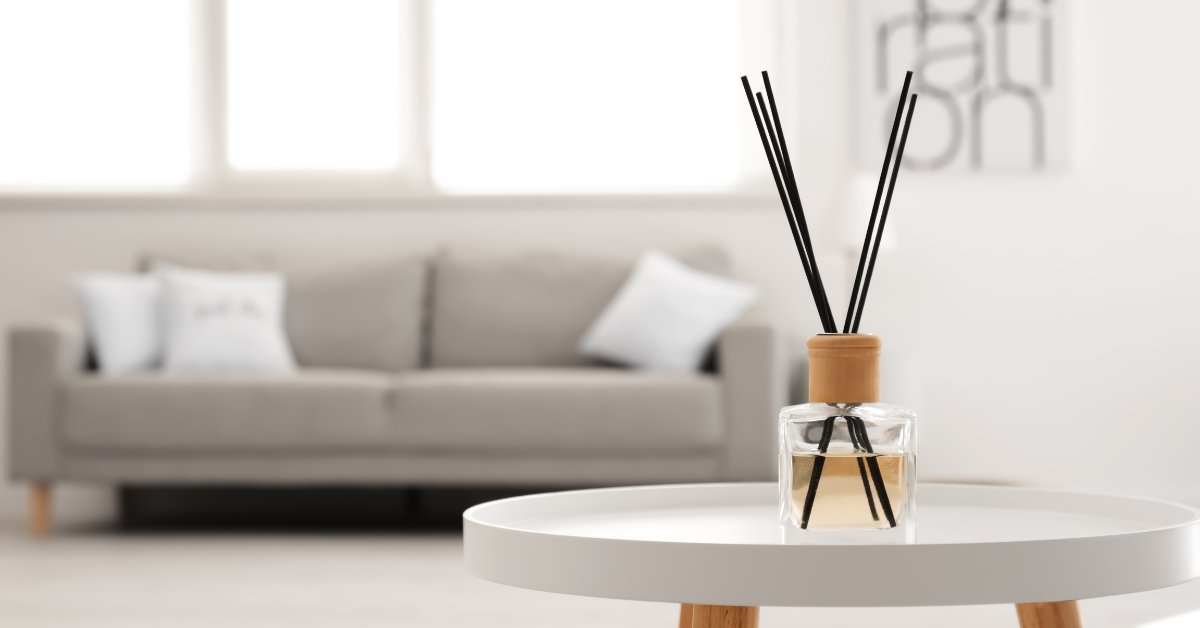
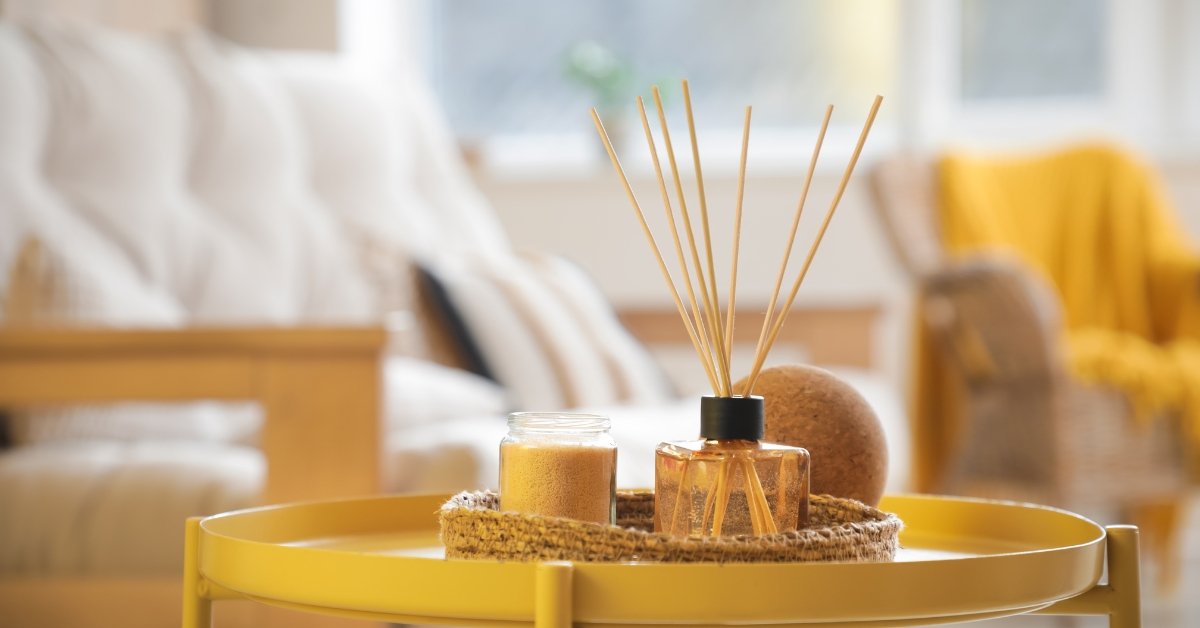
- Reed Diffusers work through capillary action. Rattan reeds draw fragrance oil up from the bottle and release it passively into the air as the oil evaporates from the exposed tip. There is no heat, no electricity, and no flame. The output is continuous and low-level, building in the background rather than spiking and fading.
- Scented Candles rely on heat to release fragrance. When the wax melts, the fragrance oils trapped in the wax pool evaporate into the surrounding air. The wick, the wax type, and the fragrance load all determine how aggressively a candle throws scent. This is an active fragrance delivery format: it is on when you light it, and off when you do not.
- Wax Melts use the same heat-activation principle as candles, but the fragrance carrier (the wax) is melted by an electric warmer rather than a flame. Because there is no wick and no combustion, the wax does not burn off or diminish the way a candle does. The fragrance is released purely through heat-driven evaporation of the oil from the melted wax.
Understanding these three mechanisms makes the differences in performance, safety, and value much easier to interpret.
Scent Throw: Which One Actually Fills a Room?
This is where most people make their decision, and it is also where the comparison gets most interesting.
Candles
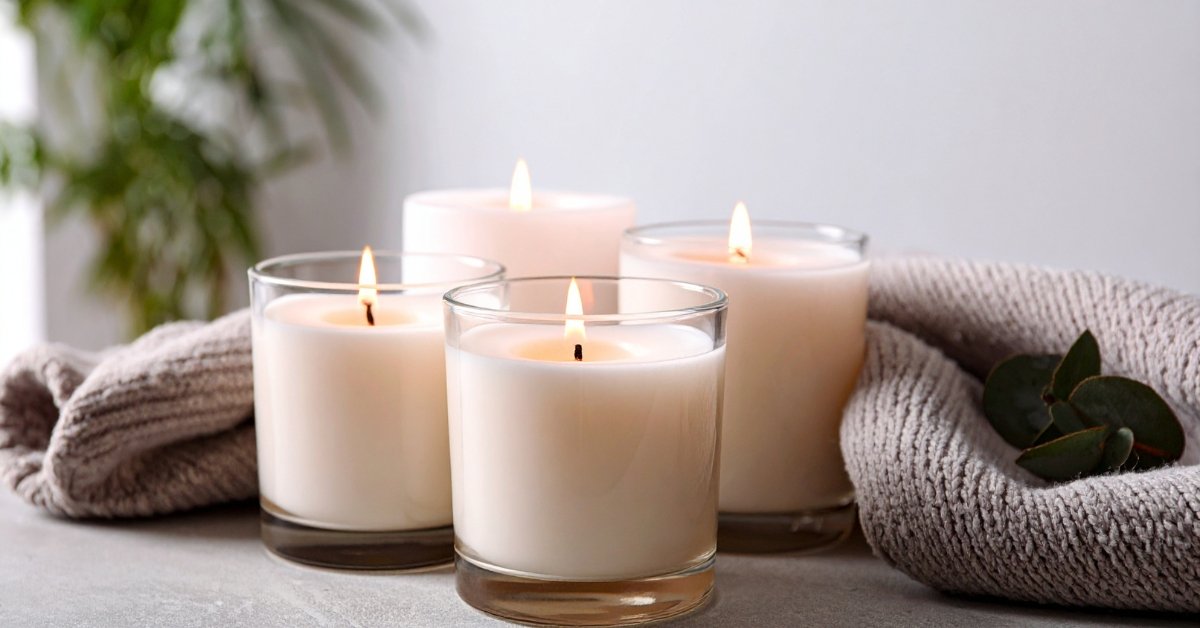
Candles produce the most aggressive scent throw of the three formats, particularly in the first hour of burning. A well-formulated 3-wick candle in a medium room will be noticeably fragrant within fifteen minutes of lighting. The intensity is highest when the candle is actively burning and drops to near-zero when extinguished.
The catch is that scent throw varies enormously depending on wax type, fragrance load, and wick configuration. A single-wick soy candle will not fill a large open-plan space. A 3-wick paraffin candle with a 10% fragrance load will. Our full breakdown of the best scented candles for filling a room covers this in detail if you want specific product recommendations.
Wax Melts

Wax melts often outperform candles on raw scent throw when the wax-to-warmer ratio is right. Because the fragrance load in melt wax can be higher than in a candle (candle wax must also maintain structural integrity while solid), a quality wax melt can saturate a medium room with fragrance within minutes of the warmer reaching temperature.
The distinction worth knowing: the scent from a wax melt tends to be more diffuse and room-filling rather than localized around a flame source. For enclosed rooms like bathrooms or home offices, this matters.
Reed Diffusers
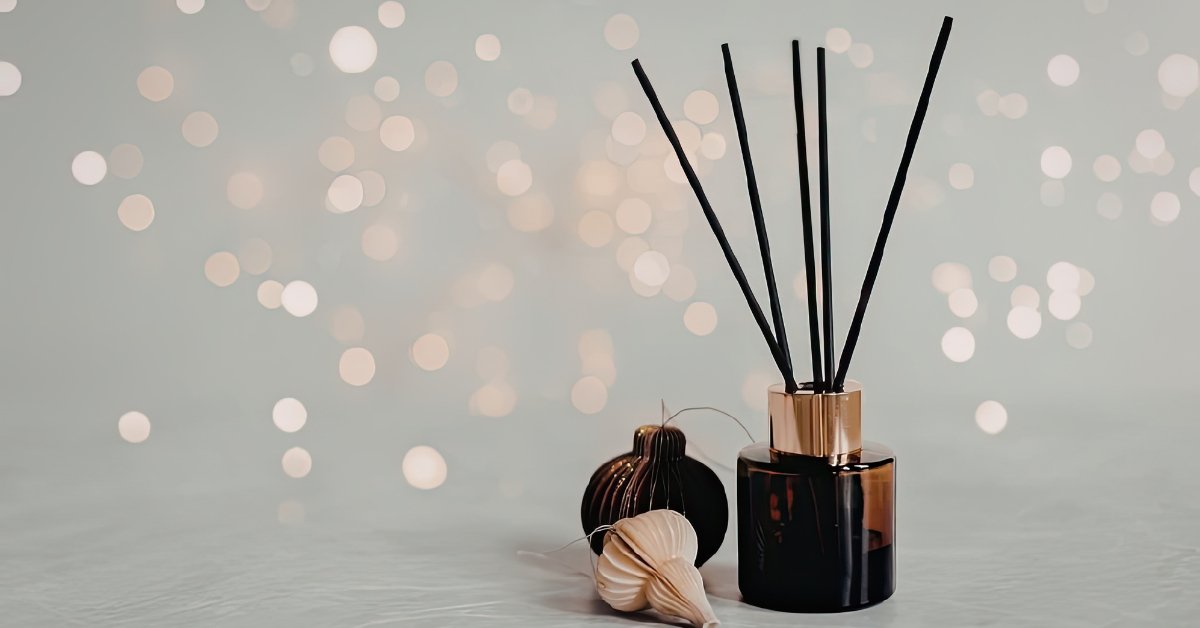
Reed diffusers produce the weakest moment-to-moment output, which is exactly what makes them so effective at a different task. The goal of a reed diffuser is not to hit you when you walk in. It is to ensure the room always has a subtle, consistent fragrance presence whether or not you have thought about it.
In a small bedroom, hallway, or bathroom, a reed diffuser will outperform both a candle and a wax melt on the measure that matters most: consistency over time. In an open-plan living area, it will not compete with either.
Longevity: How Long Does the Fragrance Last?
The three formats sit at very different points on the longevity spectrum.
A typical 8 oz reed diffuser bottle lasts anywhere from 3 to 6 months, depending on the number of reeds used and the ambient temperature of the room. Warmer rooms accelerate evaporation, which increases throw but reduces lifespan. Flipping the reeds every couple of weeks refreshes the output.
Wax melts last significantly longer per unit of fragrance than candles, because no wax is being consumed. The fragrance oils in the wax evaporate over time, and once the scent is gone, the wax is spent. Most quality melt cubes produce noticeable scent for 8 to 12 hours of warmer use before the fragrance dissipates. A standard clamshell pack of six cubes therefore represents roughly 48 to 72 hours of fragrance output.
Candles are the most variable. Burn time depends almost entirely on size and wax type. A 4 oz candle might offer 25 hours of burn time. A premium 22 oz single-wick candle can reach 150 hours. The important number is fragrance output per hour, not total burn time. A candle is only scenting the room when it is lit.
Safety: What You Need to Know
For households with children, pets, or anyone concerned about air quality, safety is not a minor consideration.
- Candles are the highest-risk format. Open flames in the home are responsible for a significant proportion of house fires annually. According to the National Candle Association, the leading causes of candle fires involve burning candles too close to flammable materials, falling asleep while a candle is lit, and allowing wax pools to become too shallow near the wick. Proper use makes candles very safe. Inattentive use makes them genuinely hazardous.
From an air quality standpoint, paraffin candles produce some soot and trace VOCs when burning. High-quality soy and coconut wax candles burn considerably cleaner. Wick trimming to a quarter inch before every burn reduces soot output substantially.
- Wax Melts eliminate the open flame entirely. The warmer reaches a surface temperature that melts the wax without combustion, which removes the fire risk associated with traditional candles. However, some inexpensive wax melts use synthetic fragrance compounds at high concentrations; in a small, poorly ventilated room, these can accumulate enough to be irritating for sensitive individuals.
- Reed Diffusers are the safest format for households with children, pets, or anyone who is absent-minded about candles. There is no heat source, no flame, and no electrical component (beyond the bottle and reeds themselves). The trade-off is that undiluted fragrance oil in the bottle is toxic if ingested, so placement away from children matters.
For pets specifically: cats are particularly sensitive to essential oils and concentrated fragrance compounds. Diffuser placement in rooms where cats spend significant time is worth researching specifically.
Cost: Upfront vs. Long-Term
The cost comparison looks different depending on which frame you use.
Candles are the most accessible entry point. A quality single-wick candle can be purchased for $10 to $20, and premium options start around $30. However, because candles are consumed each burn, the long-term cost per hour of fragrance is higher than wax melts.
Wax melts require an upfront purchase of a warmer (typically $15 to $40 for a quality electric model), but the ongoing cost of melt cubes is low. A standard clamshell of six melts costs $5 to $12 and delivers 48 to 72 hours of fragrance. Per hour of scented output, wax melts are almost always the most economical option once the warmer is purchased.
Reed diffusers sit in the middle. A premium diffuser bottle with reeds costs $20 to $50, but it runs passively for months. The cost per day of fragrance output is low, and there is no consumable accessory to repurchase. Refill bottles for most diffuser brands are available at lower price points.
If you are budget-conscious and burning daily in large spaces, wax melts win on economics. If you want a set-and-forget option that looks considered on a shelf, a reed diffuser is the better value. If fragrance intensity per session is the priority, candles remain the most cost-effective way to achieve aggressive room-filling scent.
Room-by-Room Recommendations
Applying the comparison to specific rooms makes the decision considerably clearer.
Living Room and Open-Plan Spaces
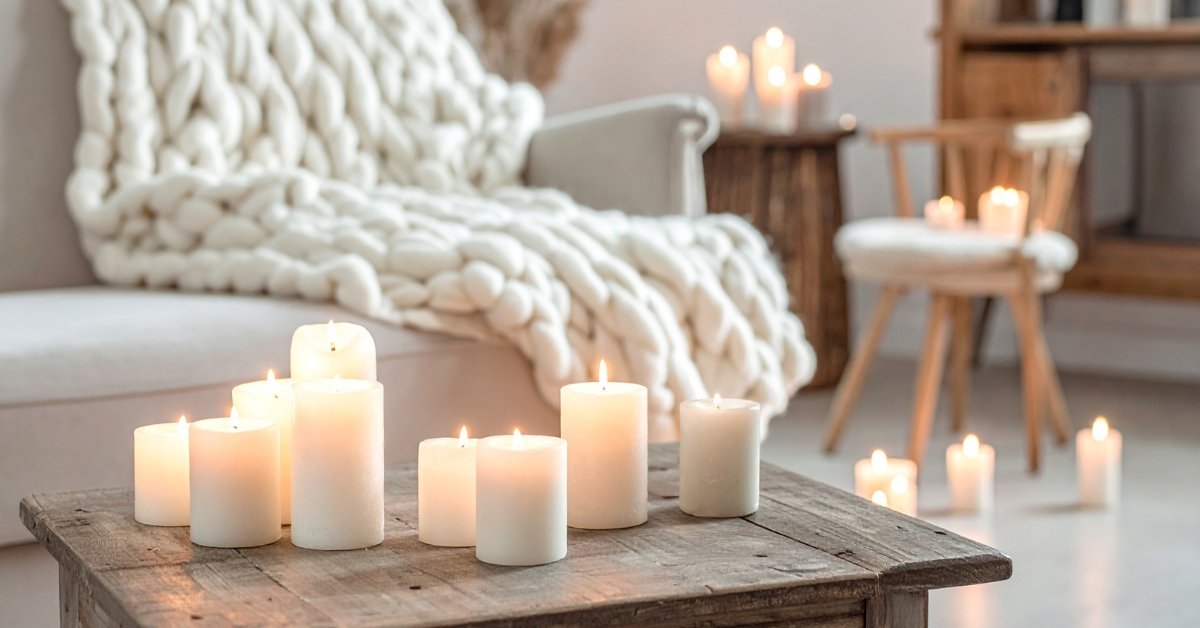
Candles are the strongest performer in large or open spaces. A 3-wick candle with deep base notes (amber, musk, wood) will change the scent of a room within twenty minutes. A reed diffuser will underperform in the same space unless you use multiple bottles. Wax melts can work if the warmer generates enough heat and the room is not too large.
Bedroom

Reed diffusers are the recommended format here. The consistent, low-level output suits a sleeping space in a way that an active flame or a concentrated wax warmer does not. If you use fragrance as part of a deliberate wind-down routine, the piece on creating a bedtime ritual with scents for better sleep pairs directly with this. Lavender and chamomile reed diffusers in particular are well-suited to this context.
Bathroom
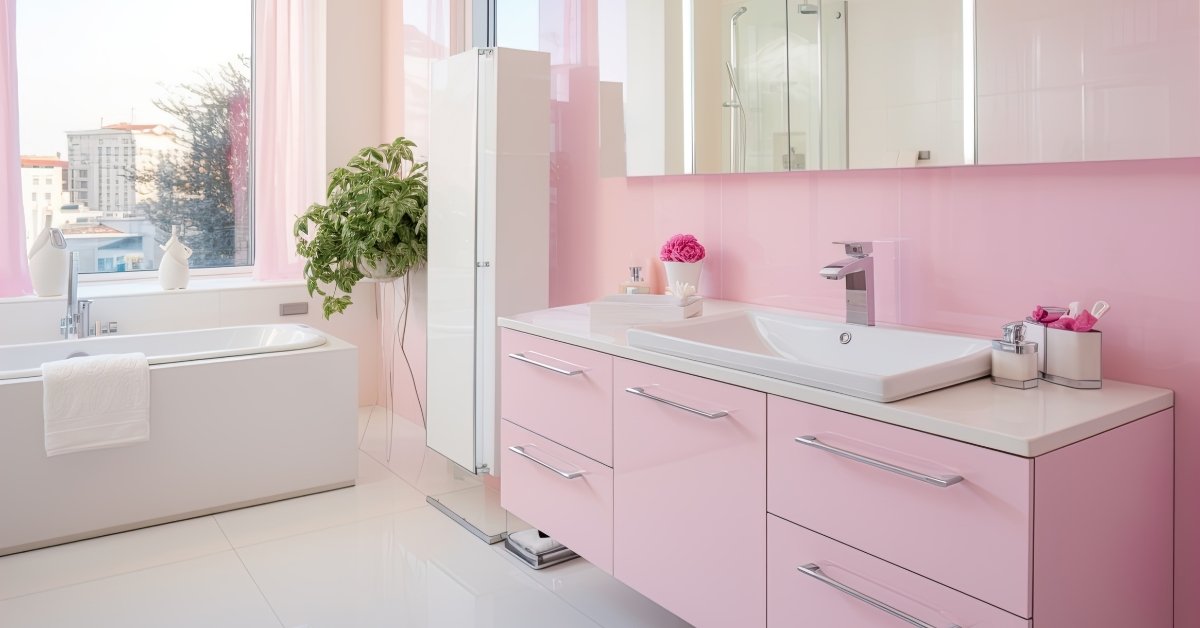
Wax melts perform well in bathrooms because the small, enclosed space concentrates the output from the warmer. A reed diffuser works for ongoing freshness. Candles are fine but introduce a fire risk in a space where towels and tissues are typically nearby.
Home Office

For focus and sustained presence without peaks and valleys, a reed diffuser or a wax warmer set to a moderate temperature is usually preferable to a candle. Clean herbal and tea-based scent profiles (eucalyptus, bergamot, white tea) suit a working environment better than sweet or gourmand fragrances, which can become distracting.
Entryway and Hallway
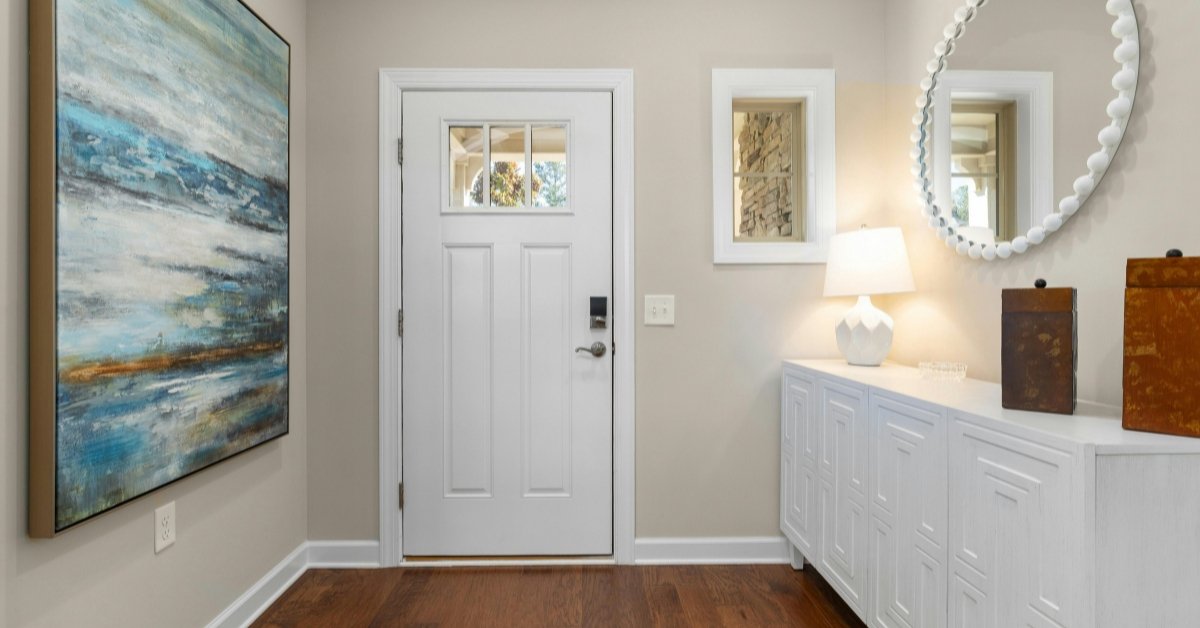
The entryway is the ideal location for a reed diffuser. The goal here is a welcoming baseline fragrance that greets anyone walking in, and the reed diffuser’s passive consistency is exactly right for that purpose. Floral, citrus, or light woody profiles carry well in transitional spaces.
The Honest Verdict
There is no single winner in the reed diffuser vs candle vs wax melt comparison, because they are not solving the same problem.
Candles are for moments. Wax melts are for economical, high-output fragrance on demand. Reed diffusers are for ambient, long-term fragrance presence with zero maintenance beyond the occasional reed flip.
The most considered approach is to use more than one. A reed diffuser in the bedroom and hallway provides a constant foundation. A wax warmer in a bathroom or home office delivers focused output when needed. A candle in the living room creates atmosphere during the hours you actually use the space.
Each format earns its place when matched to the right room and the right purpose. The mistake is expecting one to do all three jobs.