You pull a freshly washed shirt from the drawer the next morning and it smells like nothing. Not bad, just completely blank. If this sounds familiar, you are deep in the world of Laundry Basics frustrations that most guides skip past. Understanding why laundry stops smelling fresh goes well beyond picking a nicer detergent. There are real, fixable reasons your clothes lose their scent within hours of washing, and most of them have nothing to do with fragrance quality. This guide breaks down each one and gives you practical solutions that actually hold up.
Table of Contents
The Fragrance Is Designed to Be Temporary
Before pointing the finger at your detergent, it helps to understand one thing: laundry fragrance is not engineered for permanence. The scent molecules in most detergents and fabric softeners are light, volatile compounds that release into the air quickly. That big, satisfying smell when you open the washing machine door is largely the fragrance at peak release. Once clothes dry and sit for a few hours, much of that top-layer scent has already dissipated.
This does not mean the product is failing. It means the product is working as designed. The real question is why some people get fresh-smelling laundry for days while others get nothing past the first morning. The answer usually comes down to a combination of the factors below.
Recommended:
Your Washing Machine Is Transferring Odour
This is the most commonly missed cause. Your washing machine drum, rubber door seal, and detergent drawer collect residue with every wash. Over time, that residue feeds mildew and bacteria that sit in a thin, invisible layer inside the machine. When you run a wash, your clothes are tumbling through that environment, and no matter how fragrant your detergent is, the faint background smell of a dirty machine will transfer to the fabric.
The rubber gasket on front-loaders is a particular culprit. It traps moisture and lint, and stays damp long after the cycle ends. If your machine has any mildewy smell at all when you open the door, your laundry is picking that up.
| Quick Fix Run an empty hot cycle monthly using a washing machine cleaner tablet or two cups of white vinegar. Wipe the gasket dry after every wash and leave the door slightly open between uses so the drum can air out. |
Too Much Detergent Creates the Opposite Problem
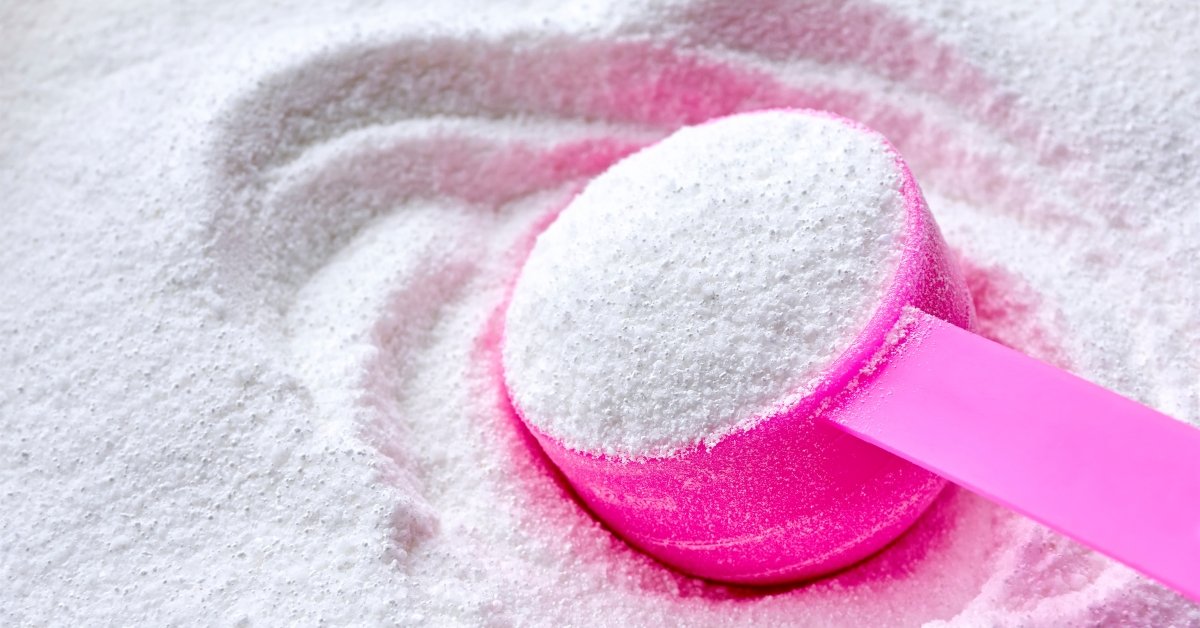
This one surprises most people. Using more detergent feels logical if you want cleaner, better-smelling clothes. In reality, excess detergent does not rinse fully from fabric fibres. The leftover residue becomes a sticky surface that bacteria cling to, and bacteria produce odour. So the more detergent you pour in, the more likely your clothes are to develop a flat or slightly musty smell within a day.
Most modern high-efficiency machines require far less detergent than people assume. The dosing lines on the cap are also typically set high by manufacturers. A good starting point for most loads is about half the recommended amount, especially if you have soft water.
If you want to get the detergent selection right from the start, the breakdown in our guide on the best laundry detergent for scent covers which formulas perform better on scent longevity without residue buildup.
Recommended:
Clothes Left in the Drum Go Stale Fast
Damp fabric in a warm, enclosed space is the ideal environment for mildew to form. Research from textile scientists and cleaning institutes has found that mildew can begin developing in as little as 30 to 90 minutes in warm conditions, though it takes longer in cooler or well-ventilated spaces.
The smell that results is not just unpleasant. Once mildew has set into fibres, it is very difficult to wash out in a single cycle. Many people end up washing the same load twice, which compounds the residue problem mentioned above.
The fix is straightforward: transfer clothes to the dryer or a drying rack immediately when the cycle ends. If life gets in the way and clothes do sit too long, add a cup of white vinegar to a fresh wash cycle before rewashing with detergent.
Overloading Means Nothing Gets Clean Properly
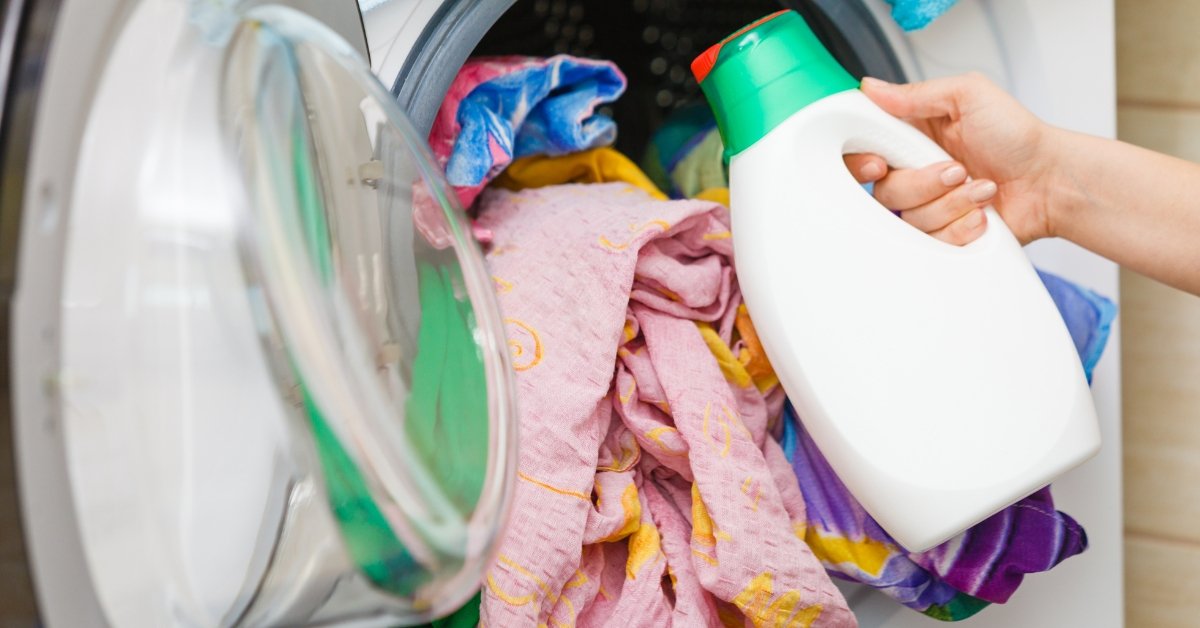
A packed drum restricts water circulation and reduces the mechanical agitation that cleans and rinses fibres. Detergent does not penetrate evenly, fragrance compounds do not bind to the fabric properly, and rinsing is incomplete. The result is laundry that smells fine fresh out of the machine but has trapped residue that turns stale within hours.
A simple rule: fill the drum to about three-quarters capacity. You should be able to fit your hand in above the clothes. If you cannot, split the load.
Recommended:
Synthetic Fabrics Hold Odour Differently
The type of fabric you are washing plays a larger role in scent retention than most people realise. Natural fibres like cotton and linen have a more open structure. They absorb fragrance molecules more readily, which means they smell great fresh out of the wash. They also release those molecules more quickly, so the scent fades faster.
Synthetic fabrics, particularly polyester and nylon, have a different problem. Their non-porous structure means sweat and body oils get trapped deep in the weave. Fragrance molecules sit on the surface and evaporate quickly, while the embedded odour compounds stay put. This is why gym clothes and activewear made from synthetic blends can smell fresh for about an hour after washing and then revert to something noticeably stale.
For synthetics, a longer soak before washing, cooler wash temperatures, and sports-specific detergents formulated to break down oil-based odour compounds make a real difference. Fabric softeners, while great for natural fibres, can actually coat synthetic fabrics and make the odour-trapping worse.
How You Store Clean Laundry Matters More Than the Wash
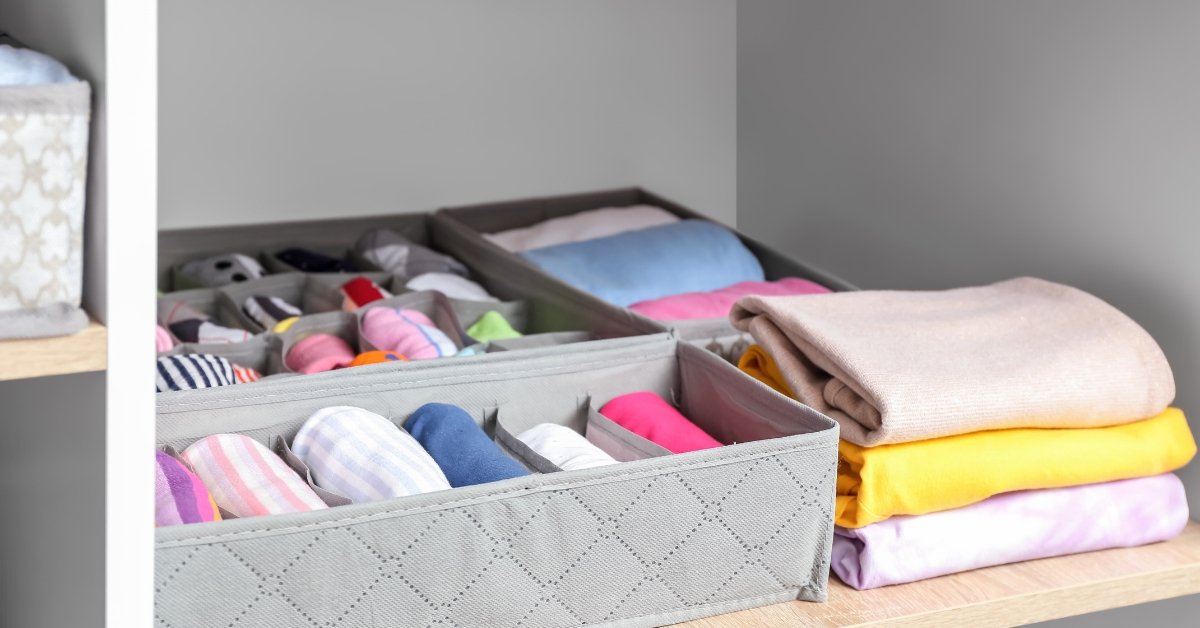
You can do everything right in the machine and still end up with flat-smelling laundry if storage conditions work against you. Folding or putting away clothes that are even slightly damp is the most common mistake. Residual moisture trapped in a closed drawer or wardrobe creates exactly the kind of low-airflow, slightly humid environment that mildew needs.
Closets and drawers with poor ventilation also concentrate ambient smells, which fabrics will absorb over time. If the space smells of wood, must, or old fabric, your clean laundry will smell of it too within a day or two.
Practical adjustments: make sure clothes are completely dry before storing, leave drawer and wardrobe doors slightly open when not in use, and consider cedar blocks or sachets in storage spaces. Cedar naturally deters moths and absorbs moisture without leaving a synthetic chemical smell.
Hard Water Quietly Neutralises Your Detergent
If you live in a hard water area and nothing else explains why your laundry scent fades so fast, water mineral content is worth considering. Hard water is high in calcium and magnesium ions. These minerals interfere with the surfactants in detergent, reducing their cleaning power, and they also react with fragrance compounds in a way that diminishes scent intensity.
The American Cleaning Institute notes that water hardness significantly affects detergent performance, and recommends adjusting detergent dose or using a water softening agent accordingly. A simple fix is adding half a cup of washing soda to each load, which softens the water before the detergent has to work. Some people also add a small amount of white vinegar to the rinse compartment, which helps neutralise mineral deposits in both the fabric and the machine.
How to Keep Laundry Smelling Fresh Longer
With the causes in hand, the strategy for longer-lasting freshness becomes clear. None of it requires expensive products. It is mostly about habits and sequencing.
Clean your washing machine monthly and wipe the gasket dry after every wash. Measure detergent at half the recommended dose for most loads. Transfer clothes out of the drum immediately when the cycle ends. Do not overload. Dry completely before storing, and keep storage spaces well ventilated.
For an added scent boost that actually lasts, fabric softeners formulated specifically for scent longevity can make a genuine difference when used correctly. The key word is correctly: on natural fibres, in the right compartment, at the right stage of the wash.
Our guide to the best fabric softeners for long-lasting scent walks through which products hold up best over time based on real buyer experience and how they interact with different fabric types.
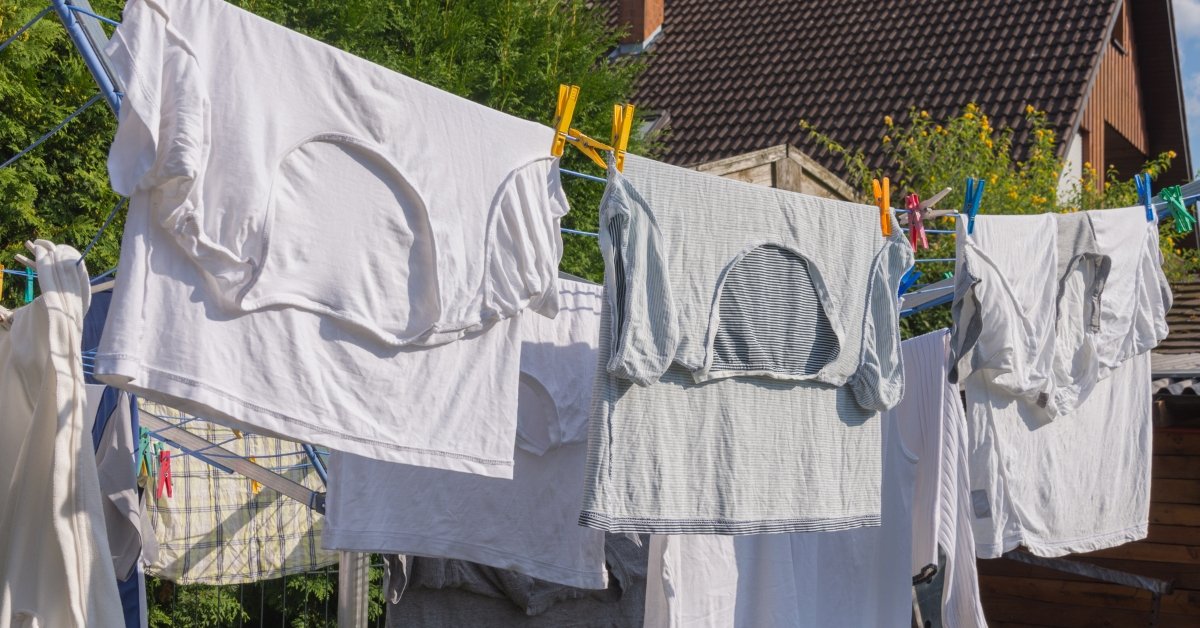
Line drying is also underrated for scent longevity. UV light has a mild sanitising effect on fabric, and air movement carries away any residual flat smell that the wash cycle missed. Clothes dried outside almost always smell fresher for longer than tumble-dried laundry.
The Short Version
Laundry scent fades for a reason, and usually more than one reason is working against you at the same time. A dirty machine, too much detergent, damp storage, the wrong fabric type, or hard water can all contribute. Address these systematically and you will notice the difference within a week without changing your detergent at all. When you do want to upgrade your products, start with the detergent and fabric softener since they have the most direct impact on how long freshness lasts.
The fix is never just more fragrance. It is removing the conditions that destroy it.
Frequently Asked Questions
Why does my laundry smell fine right after washing but goes flat by the next day?
This is almost always a combination of fragrance volatility and a contributing factor like a dirty machine, damp storage, or fabric type. The top-layer scent evaporates quickly after drying. If there is also residue in the machine or moisture trapped in storage, the remaining scent has nothing to compete with and the flatness becomes obvious. Work through the causes in this guide one at a time and the difference will be noticeable.
Does using more detergent help clothes smell fresher for longer?
No, and it tends to make things worse. Excess detergent leaves residue in the fibres that bacteria feed on, producing odour within hours of the clothes drying. Half the recommended dose is usually enough for most loads, and sometimes even less if you have soft water or a high-efficiency machine.
Why do my gym clothes smell bad again so quickly after washing?
Synthetic fabrics like polyester trap sweat and body oils deep in the weave in a way that standard detergents do not fully break down. The fragrance sits on the surface and evaporates fast, while the embedded odour compounds stay put. A sports-specific detergent designed to tackle oil-based odours, combined with a longer soak before washing, makes a significant difference. Avoid fabric softener on synthetics as it can seal in rather than remove the problem.
Can fabric softener help laundry smell fresh for longer?
On natural fibres like cotton and linen, yes. Fabric softener helps fragrance molecules bind to the fabric, which extends how long the scent lasts. On synthetic fabrics, it can have the opposite effect by coating the fibres and trapping odour compounds. The key is matching the product to the fabric type and using it in the correct dispenser compartment so it is released during the rinse cycle, not the wash.
How often should I clean my washing machine to prevent odour transfer?
Once a month is a good baseline for most households. If you do a lot of high-temperature washes or regularly wash sports kit, every three to four weeks is better. Wipe the door gasket dry after every single wash and leave the door slightly ajar between uses. These two habits alone will do more to prevent odour transfer than any monthly clean.
Does line drying really make laundry smell better than tumble drying?
Yes, noticeably so in most cases. Moving air carries away any residual flat or stale smell, and natural UV light has a mild sanitising effect on fabric. Clothes dried outside in fresh air almost always hold their scent longer and have a cleaner baseline smell than tumble-dried loads. It is one of the simplest free upgrades available.