Valentine’s Day gifting often induces a specific type of anxiety: the fear of buying something personal that feels impersonal because it misses the mark. Fragrance is notoriously difficult to gift because it is subjective. However, scent is rarely random.
Most people have a distinct olfactory fingerprint that hides in plain sight. By decoding what their favorite scent says about them, you can reverse-engineer a gift that feels deeply understood rather than randomly selected. Below, we move beyond generic best-seller lists to help you choose a fragrance that aligns with who they actually are.
Table of Contents
Why Everyday Scents Reveal More Than You Think
We often treat perfume as a luxury accessory, separate from daily life. In reality, the scents a person chooses for their environment, such as laundry detergents, candles, and body washes, are direct indicators of their emotional needs and sensory comfort zones.
What your everyday fragrance says about you is often more honest than a special-occasion perfume. A person who surrounds themselves with lavender and linen is signaling a need for calm and order. A person who gravitates toward heavy vanilla candles or spicy body oils is signaling a desire for warmth and emotional depth.
The Science of the Scent-Mind Connection
To understand the diagnostic power of fragrance, we must look at the anatomy of olfaction. Unlike sight or hearing, which are processed by the thalamus, the sense of smell has a direct “hotline” to the limbic system, specifically the amygdala and hippocampus. These are the regions of the brain responsible for emotion and long-term memory.
When you observe their scent habits, you aren’t just looking at a fashion choice; you are looking at an emotional blueprint. This biological link explains why certain notes trigger an immediate sense of safety or confidence. By choosing a perfume that mirrors their everyday environment, you are effectively choosing a scent that their brain has already cataloged as “home.”
How to Decode Their Go-To Scent Before Buying a Valentine’s Perfume
Before you step into a store or browse online, you need to gather data. This doesn’t require asking suspicious questions; it requires observation. Choosing perfume based on scent preference is about noticing the patterns already present in their life.
Pay Attention to What They Wear Without Thinking
Ignore the expensive bottle of perfume they only wear to weddings. Look at the products they reach for daily. Check their shower gel, their favorite hand cream, the candle they light after a long day at work, or even the fabric softener they use. These “mindless” choices are the truest reflection of their olfactory palate because they represent what the person finds comforting and pleasant in their most unguarded moments.
Focus on the Feeling, Not the Brand
Do not get hung up on brand names. Instead, identify the “vibe” or texture of the scents they enjoy.
- Is it Clean? (Soap, rain, fresh sheets)
- Is it Cozy? (Baking spices, vanilla, cashmere)
- Is it Fresh? (Citrus, cut grass, sea salt)
- Is it Bold? (Leather, smoke, heavy florals)
Once you identify the feeling, you can categorize them into one of the profiles below.
If They Love Clean, Fresh, or “Laundry” Scents
The Profile: Calm, comfort-seeking, low-drama personalities who find beauty in minimalism and clarity. They are often the type to prioritize a serene home environment and a “less is more” aesthetic.
What This Scent Preference Says About Them
If their favorite smells remind you of a high-end hotel spa or fresh laundry, this person likely values clarity, organization, and personal space. They often view fragrance as a way to feel put-together and refreshed rather than seduced. What their favorite scent says about them is that they prefer intimacy to remain subtle, as they don’t want their scent to enter a room before they do.
Valentine’s Fragrance Styles They’ll Love
Avoid “powerhouse” perfumes or heavy spices. Instead, look for:
- Musky Skin Scents: Fragrances that smell like warm skin but better (look for notes of white musk or ambrette).
- Soft Florals: Think delicate lily of the valley, peony, or freesia, rather than heavy rose.
- Light Woods: Sandalwood or cedar notes that provide a creamy, clean finish without being overpowering.
Why This Works as a Valentine’s Gift
This choice feels intimate without being performative. It shows you notice their need for tranquility. It is a gift designed for their daily wear and close encounters, rather than for showing off to a crowd.
If They Gravitate Toward Sweet or Gourmand Scents
The Profile: Emotional, expressive, comfort-driven individuals who lead with their heart. They tend to be warm, nurturing, and appreciative of the small, sweet indulgences that make life feel richer.
What This Scent Preference Says About Them
People who love the smell of vanilla, caramel, or fruit often associate scent with warmth, nostalgia, and indulgence. This preference suggests an open heart and a desire to connect. They enjoy being noticed and often use fragrance as an extension of their personality. They are tactile and appreciate sensory pleasures.
Valentine’s Fragrance Styles They’ll Love
When looking for perfume gift ideas based on personality, this category allows for fun and richness. Look for:
- Vanilla and Amber: The gold standard for warmth and sweetness.
- Praline or Chocolate notes: Sophisticated takes on edible scents.
- Creamy Compositions: Fragrances described as “lactonic” (milky) or fluffy.
Why This Works as a Valentine’s Gift
Sweet scents are inherently inviting. Gifting a gourmand fragrance signals affection and emotional attention. It tells the recipient that you embrace their warmth and want to contribute to their comfort.
If They Prefer Woody, Spicy, or Smoky Scents
The Profile: Grounded, confident, and emotionally complex thinkers. These individuals often possess a quiet strength and a deep sense of self that doesn’t rely on outside validation or fleeting trends.
What This Scent Preference Says About Them
Lovers of oud, leather, pepper, and smoke generally enjoy depth and character. They are often less interested in chasing trends and more interested in establishing a distinct identity. What their favorite scent says about them is that they are comfortable with silence and complexity, and they don’t need a fragrance to be “pretty” for it to be appealing.
Valentine’s Fragrance Styles They’ll Love
You can afford to be bolder here, perhaps venturing into niche territory where these notes are treated with more artistry. Look for:
- Spices: Pink pepper, cardamom, or clove.
- Resins and Sustainable Woods: Ethical brands often use responsibly harvested Sandalwood or Vetiver, which provide a richer, more authentic profile than synthetic alternatives.
- Rich Dry-Downs: Scents that evolve and change over hours on the skin.
Why This Works as a Valentine’s Gift
This feels intentional and thoughtful. It suggests you see them as a multi-dimensional person. These scents are often “slow burns,” much like a long-term partnership, revealing different facets the longer they are worn.
If They Rarely Wear Perfume but Have Scented Habits
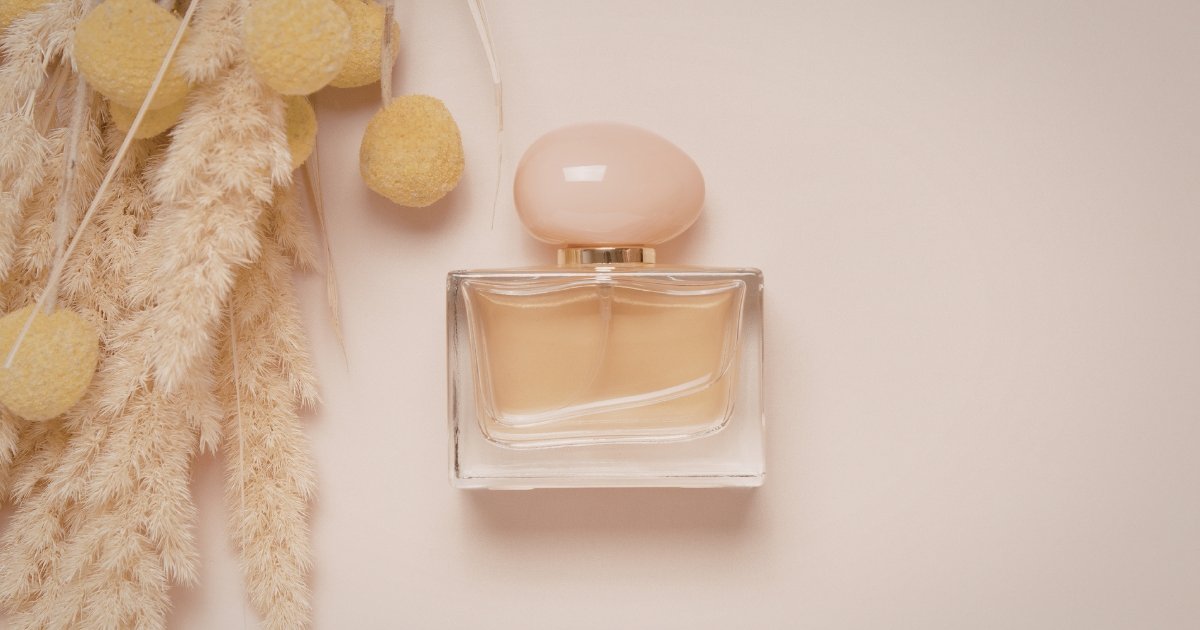
The Profile: Practical, understated, and highly sensory-aware. They likely find traditional perfumery artificial and prefer the authentic, unadorned smells of nature or the quiet, functional scents of high-quality grooming products.
What This Scent Preference Says About Them
Just because they don’t wear Eau de Parfum doesn’t mean they don’t like scent. If they buy scented candles or nice soaps but skip the perfume aisle, they likely enjoy scent subconsciously but are sensitive to overpowering fragrances. They may fear that traditional perfume is too invasive or “chemical.”
Valentine’s Fragrance Styles They’ll Love
The key here is specific restraint. Look toward indie or minimalist niche houses that focus on transparency.
- Minimalist Compositions: Brands that focus on single molecules (like Iso E Super).
- Skin Scents: Fragrances designed to smell distinct only when someone is hugging you.
- Subtle Musks: Clean, airy scents that disappear and reappear throughout the day.
Why This Works as a Valentine’s Gift
This solves the puzzle of how to choose a perfume as a gift for a non-wearer. It reduces the overwhelm of wearing a “costume” of scent. It introduces them to fragrance in a way that feels safe, controllable, and purely for their own enjoyment.
How This Approach Reduces Valentine’s Gift Regret
The biggest mistake in Valentine’s gifting is projection, specifically buying what you like, rather than what suits them. By focusing on what their favorite scent says about them, you shift the process from guessing to logical matching.
However, keep in mind that skin chemistry plays a vital role. A perfume’s final profile is a collaboration between the liquid and the wearer’s unique skin pH and lipid levels. This is why a scent might smell divine on a tester strip but sour on a person. Choosing a scent based on their existing body products minimizes this risk, as you are choosing notes that have already proven to play well with their personal biology.
Frequently Asked Questions (FAQs)
Can I buy a Valentine’s perfume without knowing their favorite fragrance?
Yes, and often with better results than guessing. Focus on their environment. If their home consistently smells like baking cookies or vanilla candles, look for fragrances with tonka bean, amber, or gourmand notes. If their laundry always smells like intense fresh air or “clean cotton,” look for aldehydes, neroli, or citrus-forward scents. You can even check their car air freshener or hair styling products, as these are often the most honest indicators of what they tolerate in small, enclosed spaces.
What if they like multiple scent types?
Look for “bridge” fragrances that straddle two olfactory families. Most modern perfumes are hybrids. For example, a “Floral Woody Musk” connects the freshness of flowers with the grounding nature of wood. If they are eclectic, avoid “soliflores” (perfumes focused on a single flower) and look for complex blends like Chypres (mossy-woods) or Florientals (flowers + spices), which offer a little bit of everything without being overwhelming.
Is it safer to choose subtle or bold fragrances as gifts?
Subtle is statistically the safer bet. Scent is invasive, and a bold fragrance can take up physical space. If you miss the mark with a strong perfume, such as a heavy oud or tuberose, it becomes unwearable and headache-inducing. If you miss the mark with a subtle “skin scent,” it is usually still pleasant and wearable for casual occasions. Unless you are 100% certain they love “beast mode” projection, err on the side of intimacy.
Do everyday scents really predict perfume preferences?
Absolutely. The olfactory bulb is directly connected to the brain’s limbic system, which processes emotion and memory. This connection creates a “sensory comfort zone.” If someone finds comfort in the smell of pine (cleaning products) or lavender (sleep aids), they will biologically react positively to those notes in fine fragrance. Conversely, if they buy unscented detergent because they get headaches easily, a high-concentration Parfum will likely be a regretted gift.
How do I avoid buying a perfume they won’t wear?
To minimize the risk of a mismatch, adopt a “safe buy” strategy that prioritizes testing over impulse. If purchasing a full bottle, look for retailers that include an attached sample vial, allowing the recipient to test the scent on their skin without breaking the main seal and voiding the return policy. Alternatively, consider gifting a discovery set, which transforms the gift into an interactive experience where they can explore multiple options before committing to a favorite. Finally, if you are selecting the scent yourself, never buy based on the initial spray; keep the tester strip for at least two hours to ensure the “dry down” remains appealing after the volatile top notes have evaporated.
Glossary
Dry-down
The final phase of a fragrance after the top and middle notes have evaporated; this is how the perfume smells for most of the day.
Gourmand
A category of perfumes inspired by edible notes, such as vanilla, honey, chocolate, or fruit.
Niche vs. Designer
Designer scents are made by fashion houses for mass appeal. Niche scents are made by specialized perfumeries, often with higher concentrations of rare or natural ingredients and more unique, artistic profiles.
Skin scent
A fragrance with low projection that stays close to the body, often mimicking the smell of clean skin.
Sillage
Pronounced see-yaj. The scent trail left in the air behind a person wearing perfume.
Olfactory family
The classification system used to group fragrances, such as Floral, Woody, Fresh, or Oriental (Amber).