That bottle of perfume sitting in your bathroom cabinet might not smell the way it did when you bought it, and there’s a real reason for that. Does perfume expire? Yes, though not in the same dramatic way food does. Fragrance breaks down slowly, and how you store it plays a bigger role in that timeline than most people realize. Once you understand the basics of fragrance basics, storage stops feeling like an afterthought and starts feeling like part of actually taking care of what you paid for.
Table of Contents
Yes, Perfume Does Expire, Just Not the Way You Think
Perfume doesn’t spoil like milk or suddenly become unsafe to wear. Instead, it degrades gradually, losing brightness, changing color, and sometimes smelling flat or slightly off compared to how it opened originally. The alcohol, water, and aromatic compounds in a fragrance are all chemically reactive, and over time those reactions add up. Most fragrances stay reasonably close to their original scent for three to five years, but that number moves a lot depending on how the bottle has been treated.
Think of it less like an expiration date and more like a slow fade, similar to how a favorite pair of jeans changes color after years of wear and washing. Nothing happens overnight, and a bottle that’s a year or two old isn’t automatically ruined. What actually determines how quickly that fade happens has almost nothing to do with the calendar and almost everything to do with where the bottle has been sitting.
What Actually Causes Perfume to Break Down
Four environmental factors are responsible for almost all fragrance degradation, and every one of them is something you can control at home.
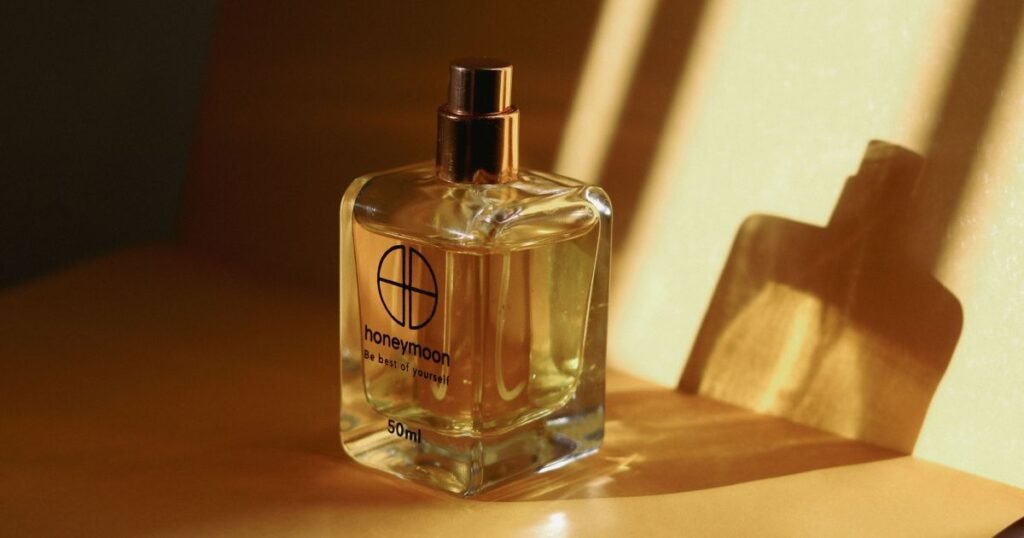
Heat
Warm temperatures speed up the chemical reactions inside a fragrance, breaking down aromatic molecules faster than they would break down at room temperature. A bottle left near a radiator, a sunny windowsill, or inside a hot car can visibly change within months instead of years.
Light
Ultraviolet light is one of the fastest ways to damage a fragrance, which is part of why so many perfumes come in tinted or opaque glass. UV rays break apart the chemical bonds that hold aromatic compounds together, altering both the scent and the color of the liquid inside.
Air Exposure
Every time a bottle is left open or the cap isn’t sealed tightly, oxygen gets in and starts a slow oxidation process. This is the same basic reaction that turns a cut apple brown, and it dulls a fragrance’s top notes over time.
Humidity
Moisture in the air can interact with a fragrance’s alcohol and water content, encouraging chemical changes that throw off the original balance of the formula. This is exactly why bathrooms, despite being the most convenient storage spot in most homes, are the worst place to keep a fragrance.
Further Reading
How to Make Perfume Last Longer: 10 Simple Hacks
Storage is only one piece of longevity. Here’s what else affects how long your scent lasts on skin.
How Long Does Perfume Actually Last?
Shelf life depends heavily on whether a bottle has been opened, and on how it’s been stored since.
Unopened Bottles
A sealed, unopened bottle stored properly can stay close to its original quality for five years or longer, since it hasn’t been exposed to repeated air contact. This is why perfume gift sets and backup bottles tend to hold up so well when kept sealed until use.
Opened Bottles
Once opened, most fragrances start a slower decline that becomes noticeable somewhere between one and three years, depending on storage conditions and the concentration of the formula. Higher-concentration fragrances tend to hold up longer than lighter ones, which is one more reason understanding fragrance concentrations is worth doing before you buy.
Signs Your Perfume Has Gone Bad
Age alone doesn’t tell you much. A five-year-old bottle stored properly can smell fine, while a six-month-old bottle left on a sunny windowsill might already be compromised. The real signals live in how the fragrance actually looks and smells, not in how long you’ve owned it.
The Scent Itself Changes
This is usually the first and clearest sign. A degraded fragrance often smells sour, sharp, or slightly metallic in a way that wasn’t there originally, almost like the alcohol has started to dominate everything else. Sometimes it just smells flatter and less dimensional, as if the top and heart notes have quietly packed up and left.
The Color Shifts
Hold the bottle up to the light and compare it, mentally or with a photo, to how it looked when it was new. Fragrances tend to darken as they age, and a noticeably deeper amber or brown tint than you remember is a fairly reliable sign that oxidation has been at work.
The Texture Turns Cloudy
A fresh fragrance should be perfectly clear. If you notice cloudiness, a hazy separation, or small particles settling near the bottom of the bottle, that’s usually a sign the formula has started to break down at a chemical level, not just a cosmetic issue.
It Doesn’t Project Like It Used To
Even if the scent hasn’t changed dramatically, a fragrance that used to fill a room and now barely reaches your own nose has lost potency. Weaker projection and shorter wear time are common signs of a bottle that’s past its best years, even without any obvious smell or color change.
If you spot one of these signs, it doesn’t necessarily mean the bottle is unusable. It just means you’re smelling a changed version of what you originally bought, and it’s worth trusting what your nose tells you over what the purchase date says.
The Right Way to Store Perfume
Good storage isn’t complicated, and a few consistent habits go a long way toward protecting a fragrance you’ve already paid for.
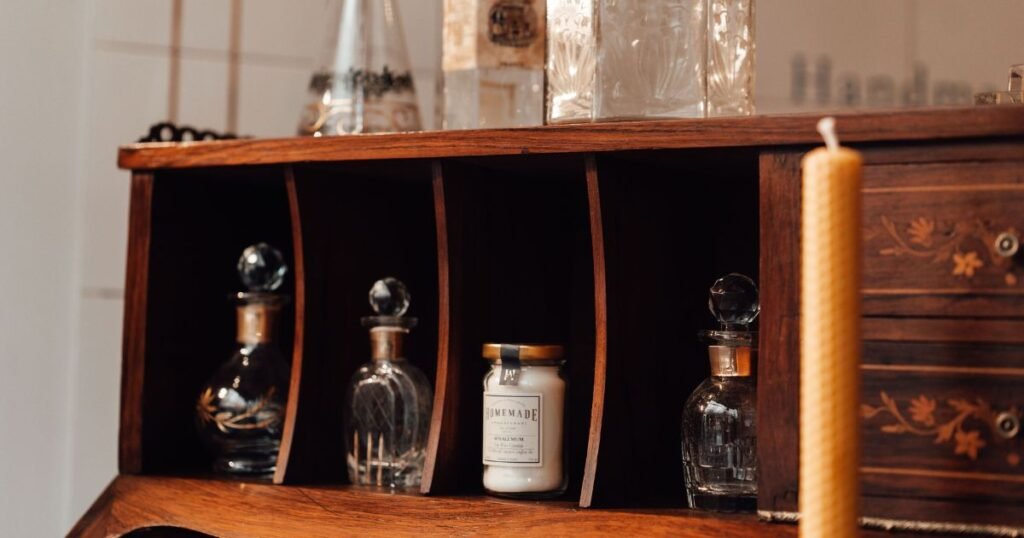
Keep It Cool and Dark
A closet, dresser drawer, or dedicated storage box works far better than an open shelf or vanity display, since darkness protects against UV damage and stable temperatures slow chemical breakdown. According to Memo Paris’s own guidance on preserving fragrance, stable, dark storage is one of the single biggest factors in how well a bottle holds up over time.
Keep the Cap On
Recapping a bottle immediately after each use limits air exposure and slows oxidation significantly. It sounds minor, but it’s one of the easiest habits to build and one of the most effective for extending a fragrance’s life.
Skip the Bathroom
As convenient as it is to keep perfume next to your toothbrush, bathrooms combine nearly every damaging factor at once: heat, humidity, and often direct light from a window. Moving your collection to a bedroom drawer is a small change with a real impact.
Original Box Helps More Than You’d Think
If you still have the box a fragrance came in, using it as extra storage blocks additional light and adds a layer of temperature stability. It’s an easy way to extend a bottle’s life without buying anything new.
Further Reading
How to Build a Fragrance Wardrobe That Covers Every Situation
Once you’re storing perfume properly, here’s how to organize a growing collection with purpose.
Does Storage Matter More for Natural or Synthetic Fragrances?
Both natural and synthetic materials are affected by heat, light, air, and humidity, so no fragrance is fully immune to poor storage. But the two don’t age in exactly the same way, and knowing the difference can help you prioritize which bottles need the most careful treatment.
Why Natural Materials Tend to Fade Faster
Natural extracts like citrus oils, florals, and certain resins are chemically complex mixtures, and that complexity makes them more reactive to their environment. Citrus notes in particular are notorious for fading quickly, which is part of why so many fragrances built around bergamot or grapefruit feel noticeably different a year or two in.
Why Synthetics Tend to Hold Up Longer
Lab-made aromachemicals are often engineered specifically for stability, since consistency is one of the main reasons brands use them in the first place. A fragrance that leans heavily on synthetic musks or woods tends to age more gracefully than one built almost entirely on natural florals.
What This Means for Your Collection
Understanding how a fragrance’s notes are structured can help you predict which bottles in your collection will change fastest. A perfume that opens with a lot of natural citrus and floral character is worth prioritizing for careful storage, while a heavier, synthetic-forward fragrance can generally tolerate a little more flexibility.
Is It Worth Protecting an Expensive Bottle?
Short answer, yes, and the more you paid for a bottle, the more that answer matters. Proper storage costs nothing beyond a bit of consistency, while replacing a fragrance you loved can cost significantly more the second time around, especially if it’s since been discontinued or reformulated.
The Real Cost of Replacing a Niche Bottle
This is especially true for niche and small-batch fragrances, which often rely on a higher concentration of natural materials and smaller production runs. If a bottle degrades and the brand has moved on to a new batch or discontinued the scent entirely, there may not be an identical replacement waiting for you.
A Simple Way to Prioritize Your Collection
If you own several fragrances, it’s worth being a little more deliberate with the ones that cost the most or matter to you the most, rather than treating every bottle identically. Keep your higher-value or hardest-to-replace fragrances in the coolest, darkest spot you have, and let everyday, easily replaced bottles take up the more convenient shelf space instead.
Further Reading
How Perfume Is Made: A Look Inside the Process
Understanding what goes into a bottle makes it a lot easier to understand why storage matters so much.
Final Thoughts
Perfume doesn’t need elaborate care, just a little consistency. Keeping bottles cool, dark, capped, and away from the bathroom will do more for a fragrance’s lifespan than almost anything else you could buy or try. A few small habits now can be the difference between a bottle that still smells great in three years and one that quietly changed on you without warning.
Frequently Asked Questions (FAQ)
Does perfume expire if it’s never opened?
Yes, but much more slowly. An unopened bottle avoids the oxidation that comes from repeated air exposure, so it can often stay close to its original quality for five years or more if stored in a cool, dark place.
Can I still use perfume that’s a few years old?
In most cases, yes, as long as it still smells the way you remember and hasn’t changed color or turned cloudy. Perfume rarely becomes unsafe to use, it just may not smell quite as vibrant as it once did.
Does refrigerating perfume help it last longer?
It can, since a fridge offers stable, cool, dark conditions, but it’s not necessary for most people. A dedicated fragrance fridge or wine cooler is popular among collectors, but a closet or drawer works well for everyday use.
Why does my perfume smell different after a year?
This usually comes down to the top notes fading fastest, since they’re the lightest and most volatile part of the formula. What you’re left smelling is often more of the heart and base notes, which can shift the overall character of the fragrance.
Is it bad to store perfume in its box?
Not at all, it actually helps. The box blocks additional light and adds a layer of insulation against temperature swings, both of which slow down degradation.
Does a lower concentration fragrance expire faster than a higher one?
Generally, yes. Eau de Toilette and Cologne concentrations contain more alcohol relative to fragrance oil, which can make them slightly more prone to noticeable change over time compared to an Eau de Parfum or Parfum with a higher oil concentration.