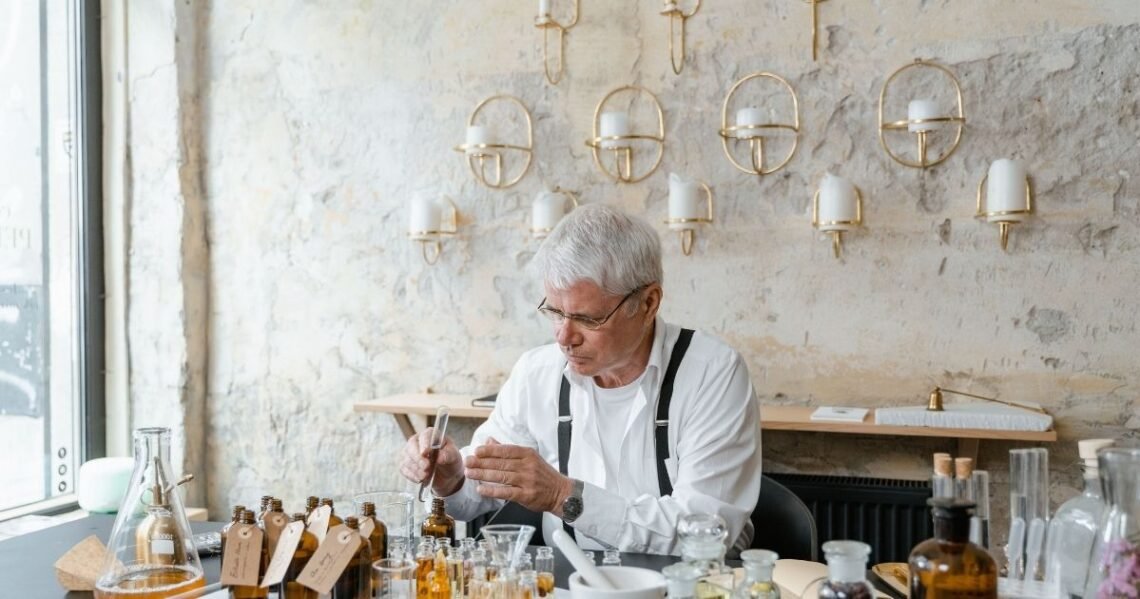
Most people spray perfume every day without thinking about where it actually came from. If you’ve ever wondered how is perfume made, the honest answer is more involved than mixing flowers and alcohol in a bottle. It usually starts with raw materials grown or synthesized on the other side of the world, gets refined into individual aroma chemicals, and ends with a perfumer testing formula after formula until something finally works. Getting familiar with that process is one of the more useful pieces of fragrance basics you can pick up, because it explains a lot about why fragrances are priced and marketed the way they are.
Table of Contents
Where Perfume Ingredients Actually Come From
Every fragrance starts as raw material, and that material falls into one of two broad camps. Neither one is automatically better than the other, despite what marketing copy often implies.
Natural Raw Materials
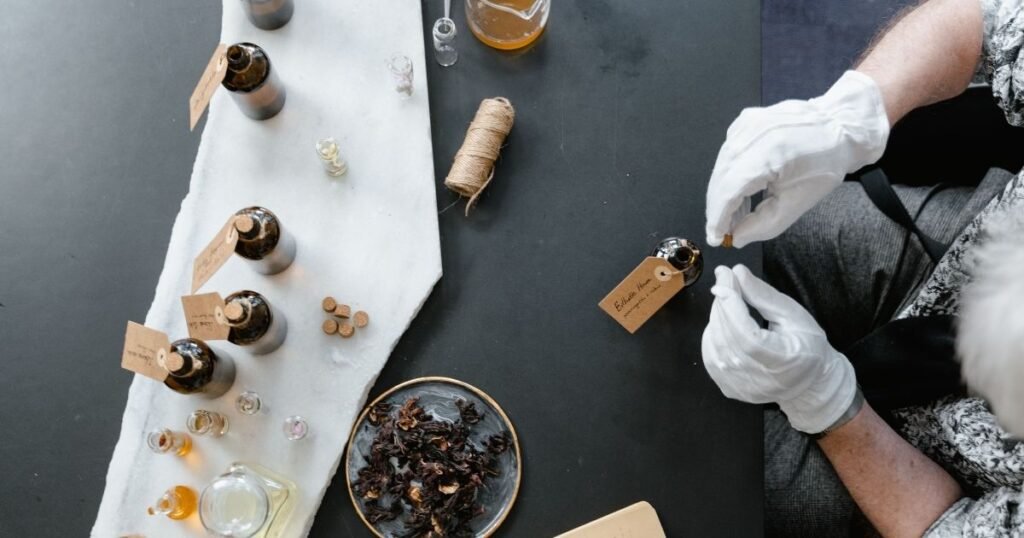
Natural materials come from plants, and occasionally from resins or animal sources that have mostly been replaced by synthetic alternatives for ethical and practical reasons. Flowers like jasmine and rose are harvested by hand, often at specific times of day when their oil content is highest. Citrus peels, woods like sandalwood and cedar, and resins like frankincense and myrrh all fall into this category too. Natural materials are expensive because they depend on agriculture, weather, and manual labor, and because the yield is often tiny. It can take thousands of jasmine blossoms to produce a single gram of absolute.
Synthetic Aromachemicals
Synthetic materials are created in a lab, either to reproduce a natural smell more affordably or to create an entirely new scent that doesn’t exist in nature. Modern perfumery depends heavily on these molecules, and not for cost-cutting reasons alone. Many natural materials are unstable, inconsistent from harvest to harvest, or restricted for safety reasons, so synthetics fill in the gaps and keep a fragrance smelling the same bottle after bottle. Some synthetic molecules are proprietary, developed and patented by a single fragrance house, which is one reason certain perfumes smell impossible to copy even with a large budget.
How Scent Gets Extracted From Raw Materials
Once raw materials are harvested, they have to be processed into a usable form before a perfumer can work with them. There are a handful of extraction methods, and the one used depends entirely on the material.
Steam Distillation
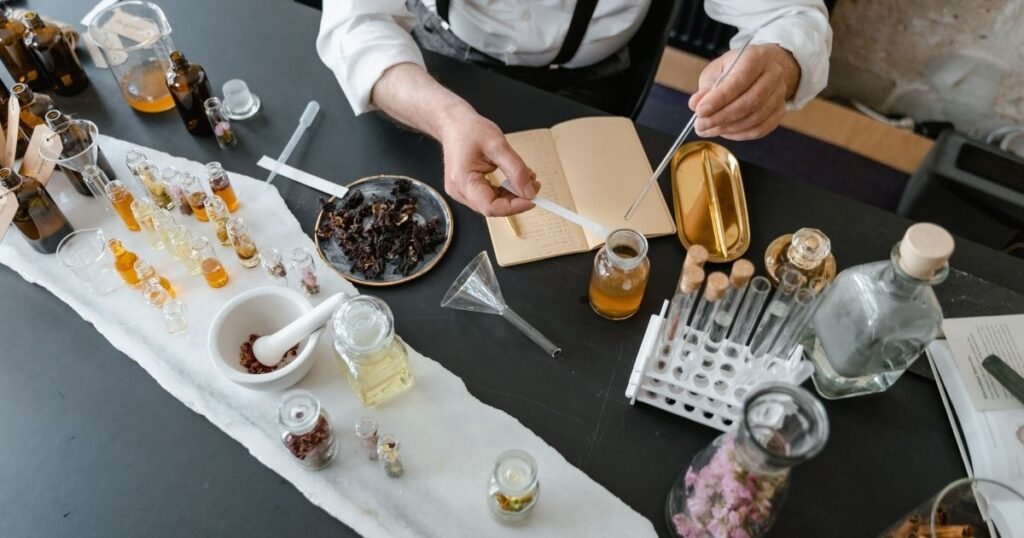
Steam distillation is the oldest and most common extraction method, used for materials like lavender, rosemary, and most woods. Steam is passed through the plant material, which releases its aromatic compounds into vapor form. That vapor is then cooled and condensed back into liquid, separating naturally into essential oil and water. This method is relatively affordable and produces the essential oils most people associate with aromatherapy, though perfumers use them for very different purposes.
Solvent Extraction and Absolutes
Delicate flowers like jasmine and tuberose can’t survive the heat of steam distillation without losing much of their true scent. For these, perfumers use solvent extraction instead. A chemical solvent pulls the aromatic compounds out of the plant material, leaving behind a waxy substance called concrete. That concrete is then washed with alcohol to isolate the pure aromatic material, known as an absolute. Absolutes are typically more expensive than essential oils, and they tend to smell closer to the living flower.
Cold Pressing and CO2 Extraction
Citrus oils like bergamot and lemon are usually cold pressed, meaning the peel is mechanically squeezed rather than heated at all, which preserves their bright, fresh character. A newer method called CO2 extraction uses pressurized carbon dioxide as a solvent instead of heat or chemicals, and it’s gaining ground because it captures a fuller, more accurate scent profile from delicate materials without leaving any residue behind.
Further Reading
Designer vs. Niche Fragrances: What’s the Real Difference?
Decoding price points, ingredient quality, and whether luxury houses are actually worth the extra money.
Extraction produces raw ingredients, but it takes a trained perfumer to turn those ingredients into something wearable. This stage is where art and chemistry actually meet.
The Perfumer’s Organ
Perfumers work at what’s called an organ, a curved workstation lined with hundreds or even thousands of small vials of raw materials, arranged within arm’s reach. The name comes from its resemblance to a pipe organ, and the layout lets a perfumer test combinations quickly without walking across a room for every ingredient. Many perfumers can identify hundreds of individual materials by smell alone, the way a musician recognizes notes by ear.
Building the Fragrance Pyramid
A finished fragrance is built in layers, usually described as top, heart, and base notes, and understanding how that structure actually works makes it much easier to predict how a scent will behave on your skin. Top notes are the lightest, most volatile materials, and they’re the first thing you smell before fading within minutes. Heart notes form the core identity of the fragrance and last for an hour or two. Base notes are the heaviest and slowest to evaporate, lingering for hours and giving the fragrance its lasting power. A perfumer has to balance all three so the transition between them feels smooth rather than jarring.
Formula Development and Testing
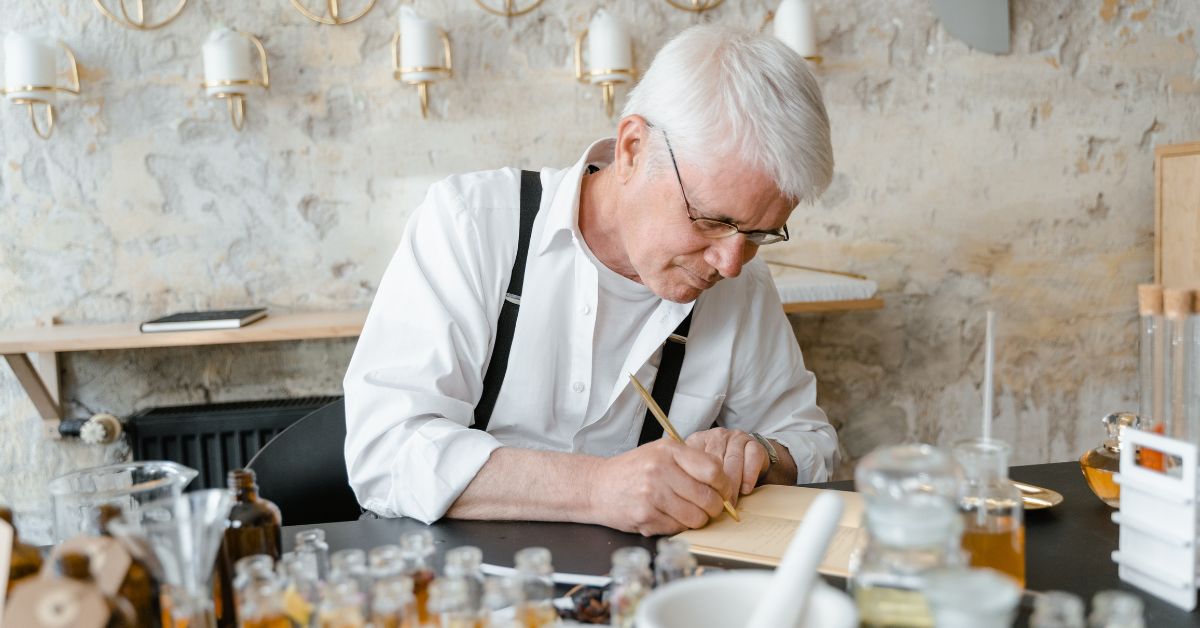
Building a single fragrance formula can take months or years of trial and error. A perfumer might test a hundred variations before landing on the right balance, adjusting a single ingredient by a fraction of a percent at a time. Formulas are tested on paper strips first, then on skin, since a fragrance behaves differently once it interacts with individual body chemistry. Large brands also run the formula through consumer panels and stability testing before it ever reaches a factory floor.
From Concentrate to Bottle: Blending and Dilution
Once a formula is finalized, it exists as a concentrated fragrance oil called the compound. That compound still has to go through several more steps before it becomes the product you actually buy.
Maceration
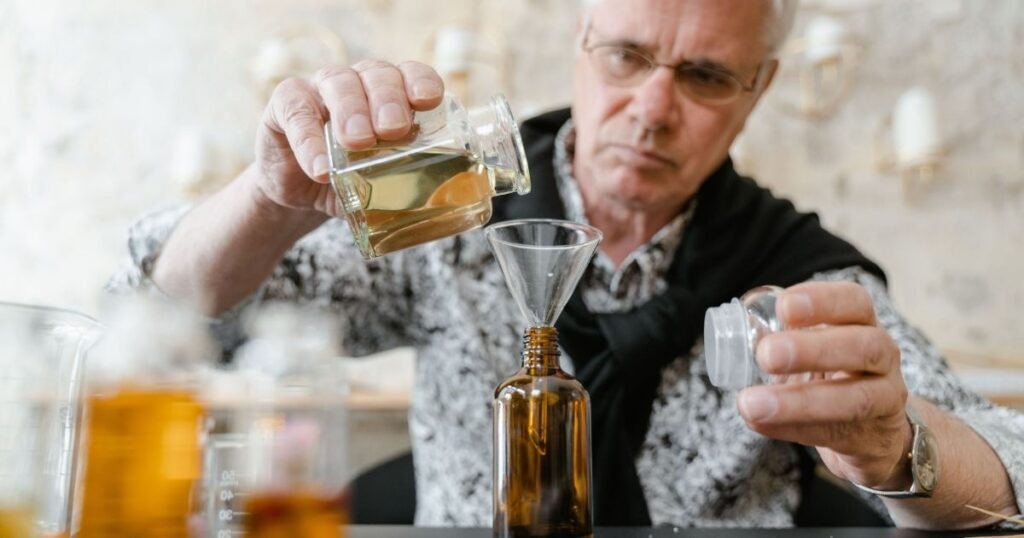
The fragrance compound is blended with alcohol and left to rest for several weeks in a process called maceration. This resting period allows the ingredients to fully integrate, softening any harsh edges and letting the scent settle into its final character. Skipping or rushing maceration is one reason cheaply made fragrances can smell sharp or unbalanced straight out of the bottle.
Filtration
After maceration, the fragrance is chilled and filtered to remove any sediment or cloudiness, which keeps the finished liquid perfectly clear in the bottle. This step matters more than it sounds, since a fragrance that looks murky or has visible particles will almost always get returned, regardless of how good it actually smells.
Adding Alcohol and Water
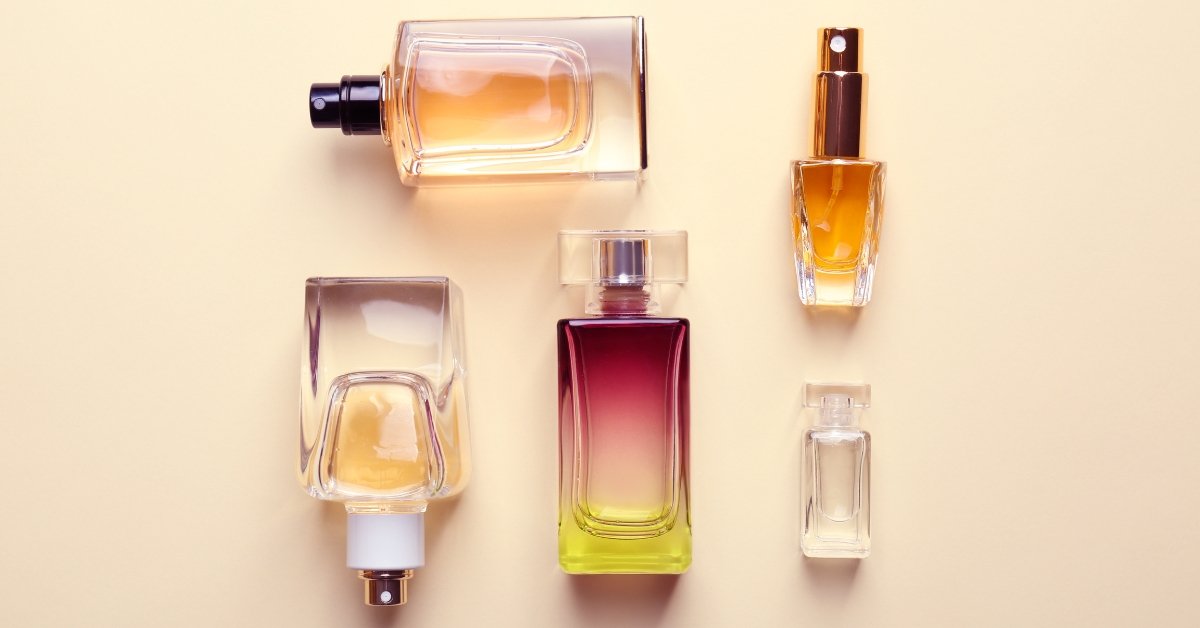
The final concentration of a fragrance depends on how much of that compound gets diluted with alcohol and water, which is exactly what separates an Eau de Toilette from a Parfum. Higher concentrations use more compound and less dilution, which is why the differences between fragrance concentrations have such a noticeable effect on both price and how long a scent actually lasts on your skin.
Further Reading
Musk vs. Amber: Understanding Base Note Profiles
Two iconic warm bases with entirely different vibes. Learn how to tell skin-scent clean from resinous depth.
Quality Control and Regulation
Before any fragrance reaches a shelf, it has to pass through a layer of safety regulation most consumers never see. Every ingredient used in a commercial fragrance has to comply with standards set by the International Fragrance Association, which restricts or limits materials that pose a skin sensitization or safety risk. These standards change regularly as new research comes in, which is part of why some classic fragrances smell slightly different than they did a decade ago. Brands employ chemists specifically to reformulate around these restrictions while keeping the original character as close to intact as possible.
Packaging and Final Bottling
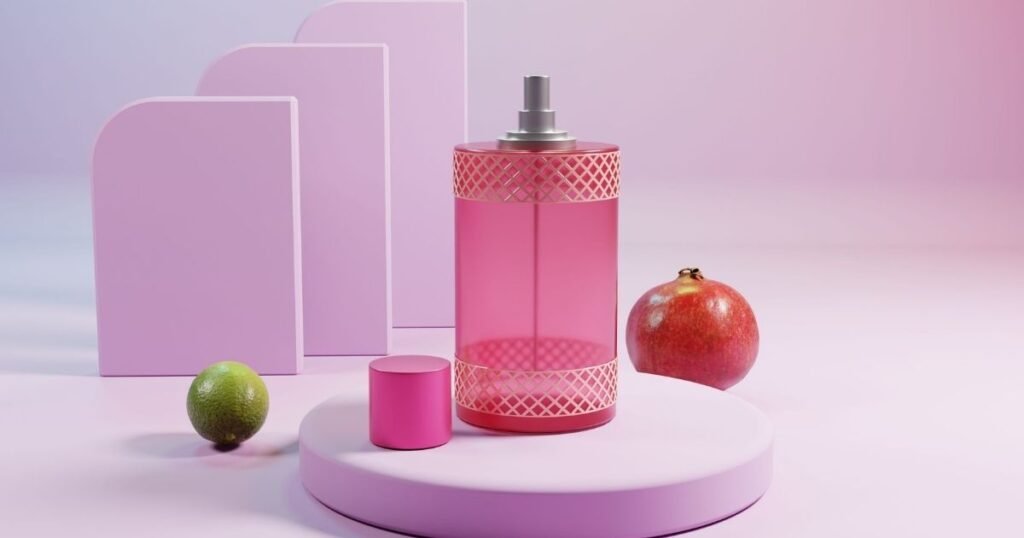
The finished liquid still needs a bottle, and that final stage involves its own supply chain of glass manufacturers, cap makers, and box printers. Bottles are filled on automated lines for large-volume designer releases, while smaller niche brands sometimes fill and label bottles by hand. Packaging isn’t just cosmetic either, since certain bottle materials and cap designs help protect the fragrance from light and air, both of which can degrade a fragrance’s quality over time.
Why This Process Explains So Much About Price and Quality
Once you see how many stages a fragrance passes through, from harvest to extraction to formulation to bottling, it’s easier to understand why cost varies so widely between bottles. A cheaper fragrance isn’t automatically a worse one, and an expensive fragrance isn’t automatically superior. What changes most between price points is usually the concentration of raw material, the complexity of the formula, and how much of the cost goes toward marketing rather than the liquid itself. Knowing where a scent falls within the broader fragrance family it belongs to also helps explain why some perfumes lean on expensive naturals while others rely almost entirely on synthetics, without either approach being inherently better.
Further Reading
How to Layer Fragrances Without Clashing Notes
Combine accords, balance heavy base notes, and craft a bespoke signature scent that lasts all day.
Final Thoughts
Perfume making is part agriculture, part chemistry, and part craft, and very little of that process is visible from the outside of a bottle. The next time you spray a fragrance, there’s a real story behind it involving farms, laboratories, and a perfumer who tested that formula more times than you’d probably guess. That context doesn’t just satisfy curiosity, it makes you a sharper, more informed buyer the next time you’re standing in front of a fragrance counter.
Frequently Asked Questions (FAQ)
How long does it take to make a new perfume?
It varies widely, but most commercial fragrances take anywhere from one to three years from the first formula draft to the finished bottle on a shelf. That timeline includes formula development, safety testing, stability testing, and production setup, not just the creative work of blending.
Do all perfumes use real flowers?
No. Many modern fragrances use little to no natural floral material at all, relying instead on synthetic aromachemicals that recreate or reinterpret a floral scent. Some perfumes do use genuine natural extracts, especially in higher-end or niche releases, but synthetic materials are the backbone of most fragrance formulas today.
Why is natural perfume more expensive than synthetic?
Natural materials depend on agriculture, and agriculture is expensive, unpredictable, and often low-yield. Growing, harvesting, and extracting a natural material like rose or jasmine absolute takes far more raw plant matter and labor than producing the same scent effect synthetically in a lab.
What is a perfumer’s “nose” and how is it trained?
A perfumer’s nose refers to their trained ability to identify and recall hundreds or thousands of individual scent materials, along with how those materials behave when combined. It’s developed over years of formal training and repetition, similar to how a sommelier trains their palate, and it’s considered one of the most difficult skills in the industry to master.
Why do fragrances sometimes smell different than they used to?
This usually comes down to reformulation, which happens when a fragrance house has to replace a restricted or discontinued material with a compliant substitute. Regulatory bodies like IFRA update their safety standards regularly, and brands are required to adjust their formulas to stay compliant, even for long-running classics.
Is a more expensive perfume always made with higher quality ingredients?
Not necessarily. Price is influenced by marketing spend, packaging, brand positioning, and production scale just as much as ingredient quality. A well-formulated affordable fragrance can outperform an expensive one in both scent quality and longevity, since price alone doesn’t guarantee a better formula.


4 Comments on “How Perfume Is Made: A Look Inside the Process”
Comments are closed.