Are synthetic fragrances safe, or is that spritz of perfume quietly irritating your skin? It is a fair question, especially with so much conflicting advice floating around online. Getting the fragrance basics right is the first step to answering it honestly, without falling for scare tactics or empty reassurance.
This guide breaks down what synthetic fragrance ingredients actually are, what dermatologists and regulators say about skin safety, and how to tell if a reaction you are having is something worth paying attention to.
Table of Contents
What Counts as a Synthetic Fragrance
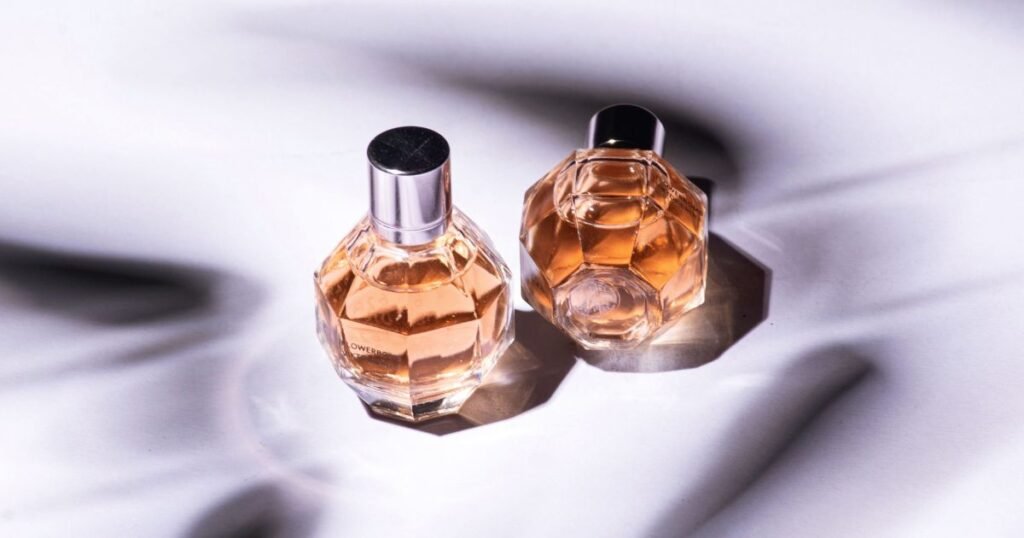
A synthetic fragrance is any scent ingredient created through chemical synthesis rather than extracted directly from a plant, flower, or animal source. Most modern perfumes rely heavily on these lab-made molecules, even ones marketed as fresh, floral, or “clean.”
That does not automatically make them dangerous. Many synthetic ingredients were developed specifically to replace natural materials that were unstable, unsustainable, or inconsistent from batch to batch.
How These Molecules Get Made
Synthetic aroma chemicals are built using the same core chemistry explained in the process behind how perfume is made today, whether that means isolating a single molecule found in nature or designing an entirely new one that does not exist in the wild.
Ambroxan, for example, was created to mimic the scent of ambergris without relying on whale byproducts. Iso E Super was engineered to add a soft, woody presence to formulas without overpowering everything else in the blend.
Why the Industry Relies on Synthetics So Heavily
Cost is part of the story, but it is far from the whole picture. Sandalwood, ambergris, and several musk sources became scarce or restricted for ethical and environmental reasons, and synthetic replacements let perfumers keep working with those scent profiles without depleting endangered plants or animals.
Consistency matters just as much. A natural rose absolute can vary from harvest to harvest depending on soil, weather, and growing conditions, while a synthetic aroma molecule performs identically in every batch. That reliability is part of why a bottle of your favorite perfume smells the same whether you bought it this year or five years ago.
Common Synthetic Ingredients You Will See on a Label
Since fragrance formulas are protected as trade secrets, most labels simply list “fragrance” or “parfum” rather than naming individual compounds. When ingredients are disclosed, a few categories show up again and again.
- Synthetic musks, like galaxolide and muskone, used for warmth and lasting power
- Aldehydes, which add a sparkling, slightly metallic top note
- Iso E Super and similar woody amber molecules
- Synthetic vanillin, used far more often than real vanilla extract
Each of these exists because it solves a specific formulation problem, whether that is projection, longevity, or replicating a scent that would otherwise be impossible or unethical to source naturally.

Further Reading
How Perfume Is Made: A Look Inside the Process
See exactly where synthetic and natural fragrance materials actually come from.
Are Synthetic Fragrances Actually Bad for You
For most people, no. The overwhelming majority of synthetic fragrance ingredients used in commercial perfume are tested and regulated before they reach a bottle, and most wearers never react to them at all.
The real issue is not “synthetic” as a blanket category. It is individual sensitization, meaning a smaller group of people develop a reaction to specific fragrance compounds, whether those compounds are synthetic or natural.
How Fragrance Ingredients Get Approved
Before a fragrance molecule reaches a commercial perfume, it typically goes through safety assessment by industry research bodies that study exposure levels and set limits on how concentrated an ingredient can be in a finished product. Ingredients that raise concerns get restricted or banned outright rather than quietly left on the market.
This process applies to synthetic and natural ingredients alike. A natural extract is not exempt from scrutiny just because it comes from a plant, and several natural fragrance materials carry usage restrictions of their own.
Skin Irritation and Allergic Reactions
Fragrance is one of the most common triggers of allergic contact dermatitis, a delayed skin reaction that shows up as redness, itching, or small bumps where a product touched the skin. This overlaps heavily with many of the same allergens dermatologists warn about in scented skincare products, since perfume and skincare formulas often share the same fragrance compounds.
The FDA notes that some fragrance components can trigger allergic reactions or sensitivities in certain individuals, even when those same ingredients are considered safe for the general population.
What the Research Actually Shows
Studies on patch-testing clinics consistently find fragrance among the top causes of contact dermatitis referrals, though only a small share of the general population reacts this severely. Reactions tend to develop after repeated exposure rather than the very first use, which is part of why a perfume someone has worn for years can suddenly start causing problems.
This is also why patch testing a new fragrance before wearing it daily is worth the extra step, especially if you have reacted to scented products before.
Further Reading
Is Scented Skincare Bad for Your Skin? What Dermatologists Want You to Know
The same fragrance allergens show up in creams and cleansers, not just perfume.
Is Natural Automatically Safer Than Synthetic
Not necessarily. Natural essential oils and extracts contain their own irritants and allergens, including linalool and limonene, both of which can become more irritating as they oxidize over time.

Citrus oils used in natural perfumery can also cause phototoxic reactions, meaning they trigger irritation specifically when skin is exposed to sunlight afterward. A synthetic isolate, by contrast, is often a single, well-studied molecule, which can make its safety profile more predictable than a natural extract containing dozens of trace compounds.
How to Tell if a Fragrance Is Bothering Your Skin
Reactions to fragrance do not always show up immediately, which makes it easy to blame the wrong product. A few signs are worth watching for after applying a new perfume.
- Redness, itching, or small bumps specifically where the fragrance was applied
- A reaction that shows up hours or even a day or two after wearing it, not right away
- Symptoms that fade when you stop using the product and return when you try it again
- Increased sensitivity to sunlight in areas where fragrance was sprayed
If you notice a pattern, testing a small amount on your inner forearm before applying a new perfume to your neck or wrists can help confirm whether it is the culprit. Persistent or severe reactions are worth bringing to a dermatologist rather than guessing at home.
Choosing Fragrances if You Have Sensitive Skin

Label language adds to the confusion here. “Fragrance-free” and “unscented” are often used interchangeably, but they do not mean the same thing, and mislabeling is common. This same mislabeling problem trips people up well beyond perfume, including when picking a laundry detergent for skin allergies.
If your skin reacts easily, a few habits make a real difference. Choose lower-concentration formulations, such as an eau de toilette instead of a parfum, since they contain less fragrance concentrate overall. Look for brands that disclose ingredient lists or follow IFRA safety guidelines, and always patch test before committing to daily wear.
Final Thoughts
Synthetic fragrances are not inherently more dangerous than natural ones, and in many cases they are more consistent and better studied. The real question is not whether an ingredient is synthetic, but whether your individual skin reacts to the specific compounds in a given formula. Paying attention to your own patterns, rather than avoiding an entire category, is the more useful approach.
Further Reading
Does Perfume Expire, and How Should You Store It?
Old, oxidized fragrance can irritate skin even more than a fresh bottle.
Frequently Asked Questions (FAQ)
Are synthetic fragrances worse for your skin than natural ones?
Not inherently. Both synthetic and natural fragrance ingredients can cause reactions in sensitive individuals. Synthetic isolates are often more consistent and predictable, while natural extracts carry their own set of common allergens.
What ingredients in synthetic fragrances cause the most reactions?
Synthetic musks, certain aldehydes, and specific fragrance mix compounds used in patch testing are among the most frequently reported triggers. Reactions still vary significantly from person to person.
Can you be allergic to synthetic fragrance but not natural fragrance?
Yes. Sensitization is specific to individual molecules, not to whether an ingredient is labeled synthetic or natural. Someone can react strongly to one synthetic musk while tolerating natural florals with no issue at all.
Is fragrance-free the same as synthetic-free?
No. Fragrance-free means no fragrance ingredients were added for scent, while synthetic-free would mean no lab-made ingredients at all, including preservatives unrelated to scent. A product can be fragrance-free and still contain synthetic ingredients elsewhere in its formula.
How long does it take for a fragrance allergy to show up?
Allergic contact dermatitis is typically a delayed reaction, often appearing hours to a couple of days after exposure rather than immediately. This delay is part of why people struggle to identify which product is actually causing the problem.
Are synthetic fragrances regulated for safety?
Yes. Fragrance ingredients used in cosmetics in the United States must meet the same safety standard as other cosmetic ingredients, and industry bodies evaluate individual compounds before they are approved for use in commercial formulas.