You open your fragrance shelf before leaving the house and hesitate. Several bottles are lined up, yet none of them feel quite right for today. Some feel too heavy, others too casual, and a few are rarely touched at all. At the same time, wearing the same scent every day can start to feel limiting, especially when your schedule shifts between work, social time, and quiet weekends.
Learning how to build a fragrance wardrobe solves this problem by replacing excess with intention. A small, curated collection reduces decision fatigue, cuts unnecessary spending, and makes each fragrance easier to enjoy. Instead of owning many overlapping scents, you rely on a few that serve clear roles. Each fragrance earns its place because it solves a specific problem rather than simply adding variety.
This approach also changes how you interact with fragrance. With the right structure and testing process, you can build a wardrobe that feels complete, flexible, and personal without feeling crowded or wasteful.
Table of Contents
Understanding the Core Categories of a Fragrance Wardrobe
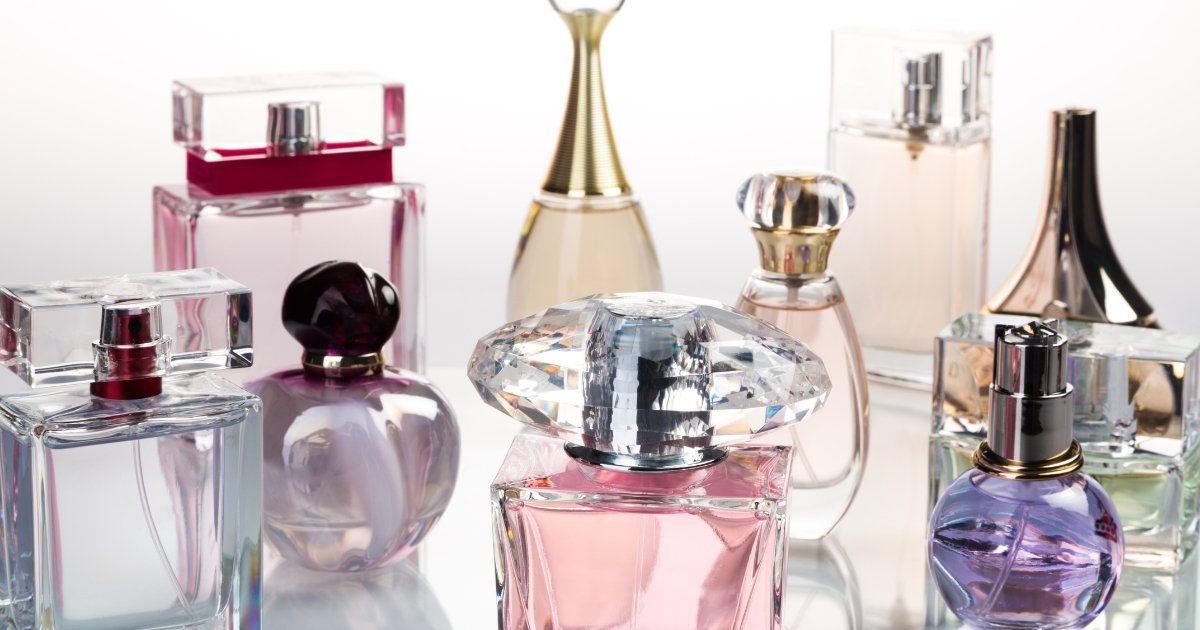
A functional fragrance wardrobe is built around real-life situations, not trends, seasons of hype, or influencer recommendations. Each fragrance should serve a clear purpose in your daily routine. When these purposes are defined, it becomes much easier to avoid redundancy and impulse buying.
Most small wardrobes work best with four core categories, plus one optional addition. These categories are flexible rather than rigid rules, but together they cover nearly all practical use cases.
The Essential Fragrance Roles
Office or neutral fragrances Designed for close environments where restraint matters most. Typical characteristics include:
- Soft woods, light musks, or clean ambers
- Gentle citrus, tea, or aromatic notes
- Low sweetness and controlled projection
These fragrances should:
- Sit close to the skin
- Avoid sharp openings or heavy dry-downs
- Feel appropriate in shared spaces
The goal is not to impress, but to smell clean, composed, and professional without becoming noticeable in a distracting way.
Casual or daytime fragrances These cover errands, daytime outings, informal social settings, and relaxed wear. They often feature:
- Fresh aromatics or green notes
- Mild florals or soft fruity accents
- A light, approachable structure
Casual fragrances should feel natural rather than styled. If an office scent feels too restrained, this category offers freedom without becoming heavy or attention-seeking.
Evening or date fragrances Evening scents allow for more depth, warmth, and presence, while still maintaining control. Common elements include:
- Amber, vanilla, or smooth resins
- Soft spices or creamy woods
- Rounded sweetness rather than sharp edges
These fragrances are worn less frequently, but their role is clear. They support atmosphere, confidence, and intimacy without overwhelming the space.
Seasonal fragrances Some fragrances simply perform better in specific climates. Seasonal differences often include:
- Bright citrus, aquatic notes, and airy musks for heat
- Woods, spices, resins, and denser bases for cold weather
Seasonal fragrances are about comfort and performance, not collecting for its own sake. A scent that feels perfect in winter can become oppressive in summer, and vice versa.
Optional statement fragrance This category is optional, not essential. A statement scent may:
- Use unconventional notes
- Feel bold, artistic, or challenging
- Be worn rarely rather than daily
This fragrance exists for self-expression, not coverage. It should never replace core categories.
Covering these roles creates flexibility without excess. It also clarifies overlap, which becomes especially useful when evaluating options across different price tiers, such as those discussed in Designer vs Niche Fragrances.
How to Choose Versatile Fragrances That Work Across Situations
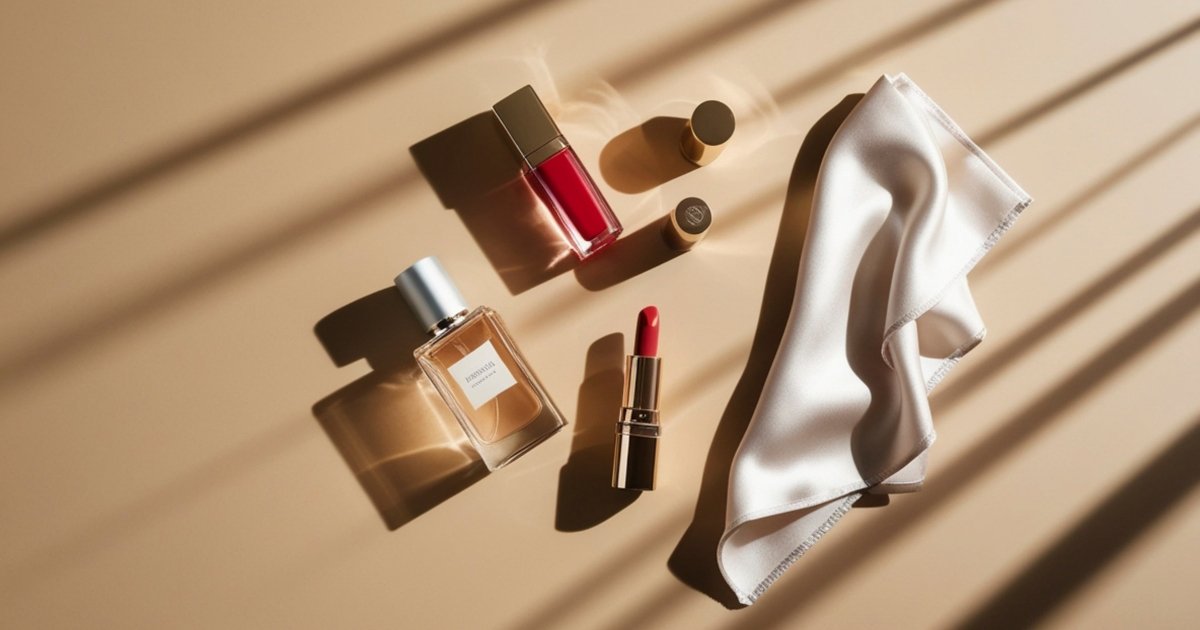
Versatility does not mean owning one fragrance that works everywhere. Instead, it means choosing fragrances that perform reliably within a role and adapt to slightly different contexts without feeling out of place.
Key Factors Determining Versatility
When evaluating a fragrance, consider the following technical aspects:
- Projection: Moderate projection works best for most environments. You want a scent bubble that stays within arm’s reach.
- Longevity: Six to eight hours covers most daily needs. Fragrances that vanish in two hours or linger for twenty four hours limit your ability to switch scents for evening events.
- Note Dynamics: Look for mid-weight notes. For example, a fragrance using vetiver or cedarwood often transitions better from a morning meeting to a casual lunch than one dominated by heavy animalic notes or thick gourmand sugars.
A fragrance that is slightly understated tends to get worn far more often than one that constantly demands attention.
Note Structure and Wearability
Versatile fragrances usually rely on:
- Woods and aromatic herbs
- Light spices and musks
- Subtle freshness rather than sharp citrus
In contrast, heavy oud, dense smoke, aggressive leather, or thick sweetness tend to lock a fragrance into a narrow role. These can be enjoyable, but they should be treated as specialists rather than foundations.
The Importance of Concentration
Fragrance concentration influences both performance and comfort:
- Eau de Toilette often feels lighter, fresher, and easier for daytime use.
- Eau de Parfum offers depth and longevity without automatically becoming heavy.
Understanding these differences helps avoid situations where a fragrance feels mismatched to its environment.
Building a Small Fragrance Wardrobe on a Budget
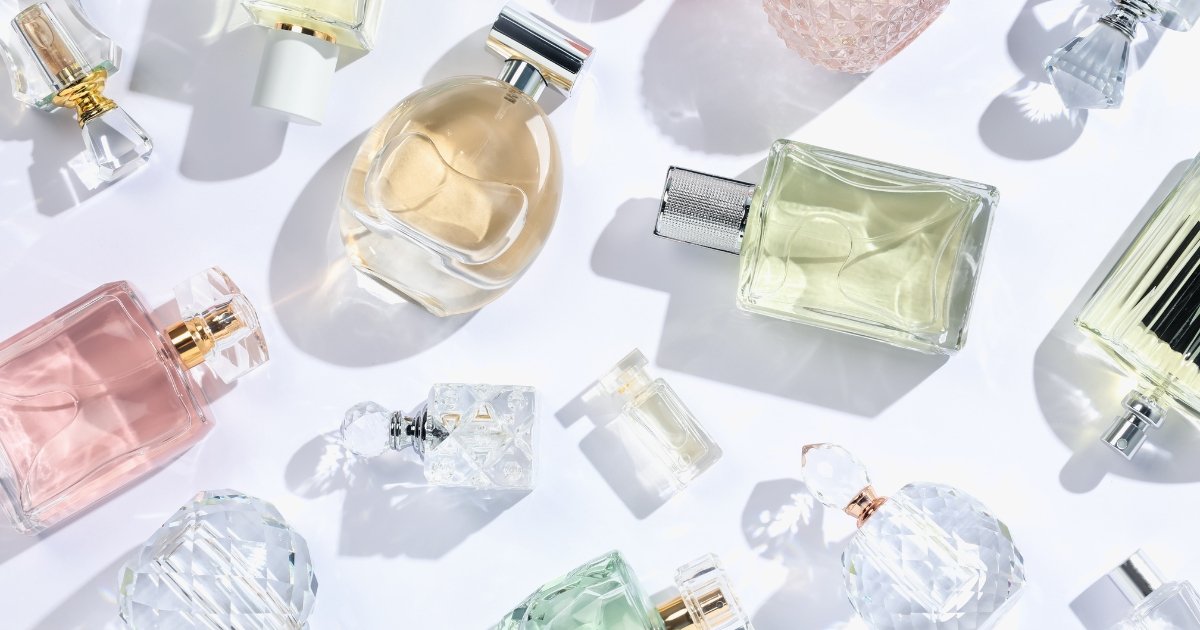
One of the most common mistakes is buying full bottles too quickly. A fragrance wardrobe should be built slowly and intentionally. This slow build approach also aligns with sustainable consumption, reducing the environmental impact of unused glass and chemical waste.
Smarter Methods for Testing Fragrances
Before committing, use discovery sets, travel sprays, or decants. Extended testing is vital because of two main factors:
- Skin Chemistry: A fragrance reacts with your unique skin oils and pH levels. What smells like clean linen on a paper strip might turn overly metallic or sweet on your skin after three hours.
- Scent Evolution: You must experience the dry down. The top notes you smell in the first ten minutes are temporary. Authority in choosing a fragrance comes from knowing how the base notes behave at the six hour mark.
A fragrance that smells impressive once may feel exhausting by the third wear.
Systematic Category Building
A practical approach involves the following steps:
- Start with an everyday or office scent
- Add an evening option next
- Address seasonal gaps only when they become obvious
For most people, three to five fragrances provide complete coverage.
Prioritizing Value Over Price
Value comes from use, not cost. One versatile fragrance worn often provides more satisfaction than several rarely used bottles. Comparing options through functional frameworks keeps the focus on performance instead of branding.
Organizing Your Fragrance Wardrobe for Daily Use
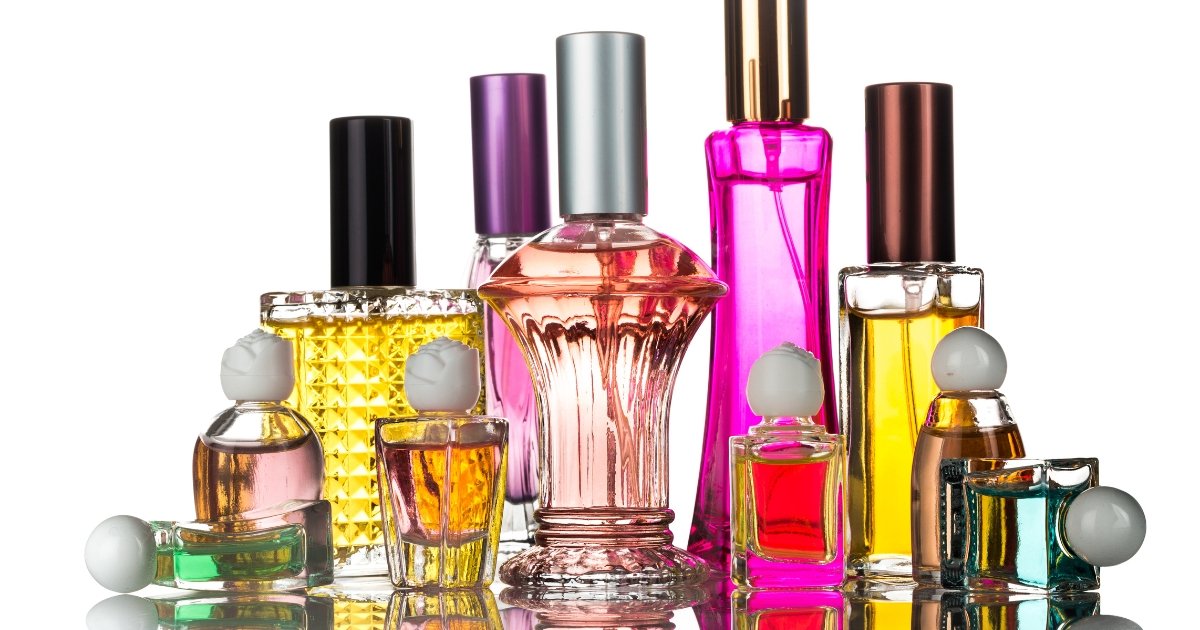
Even a small wardrobe benefits from thoughtful organization to reinforce intentional use.
Practical Organization Tips
- Group fragrances by role, not brand
- Keep everyday scents within easy reach
- Store evening and seasonal options separately
Rotation and Storage Logistics
Wearing the same fragrance daily can cause scent fatigue, a psychological state where your brain filters out the smell. Rotating between two everyday options keeps both enjoyable.
To preserve fragrance quality, you must understand that fragrance is a delicate chemical compound:
- Avoid Oxidation: Store bottles away from direct sunlight and heat. UV rays and temperature fluctuations break down the chemical bonds, causing the scent to turn or become sour.
- Control Humidity: Avoid humid environments like bathrooms. Moisture can seep under the cap and degrade the juice over time.
- Ensure Airtightness: Keep caps closed tightly to prevent evaporation and air exposure.
Evaluating and Updating Your Collection Over Time
A fragrance wardrobe should evolve alongside your lifestyle. Reevaluation makes sense when a fragrance goes unworn for a year, your work environment changes, or a scent begins to feel uncomfortable seasonally.
Before removing a fragrance, wear it again in context. Skin chemistry, climate, and personal taste can shift over time. Discontinued fragrances require special care. If one fills an essential role, a travel spray or partial backup may be enough while you explore alternatives.
Frequently Asked Questions (FAQ)
How can I make my fragrance last longer throughout the day?
The key to longevity is well nourished skin. Fragrance dissipates much faster on dry skin because the oils have nothing to cling to, so applying an unscented moisturizer or a matching body lotion before spraying creates a better foundation. You can also spray your clothing or hair for added endurance, as fabric fibers retain scent molecules far longer than skin. However, be cautious with delicate fabrics or pale colors, as the oil content in some perfumes can leave subtle stains.
Does perfume really expire and how should I store it?
While most perfumes do not have a strict expiration date, they are delicate chemical compounds that can degrade over three to five years if stored incorrectly. To preserve the integrity of the notes, you must store your bottles in a cool, dark place away from direct sunlight and temperature fluctuations. Avoid keeping your collection in the bathroom, as the constant heat and humidity from the shower can break down the chemical bonds and cause the fragrance to turn sour or lose its depth.
Should I spray my fragrance on my skin or my clothes?
Applying fragrance to the skin is the traditional method because body heat helps the scent evolve and projects the notes outward. However, if you have sensitive skin or want your scent to last until the next day, spraying your clothes is a highly effective alternative. Because clothing stays at a constant temperature, the fragrance will not evolve as much as it does on the skin, but it will release a steady, captivating aroma for a significantly longer period.
Why can I no longer smell my own perfume after an hour?
This phenomenon is known as olfactory fatigue or anosmia, and it is a natural biological response where your brain begins to filter out a constant scent to stay alert for new smells. While you may no longer perceive the fragrance, those around you can still smell it quite clearly. To combat this, avoid spraying too close to your face or neck, and rotate between different fragrances in your wardrobe to keep your nose from becoming desensitized to a single signature scent.
What is the difference between Eau de Toilette and Eau de Parfum?
The primary difference lies in the concentration of fragrance oils, which directly impacts the intensity and longevity of the scent. An Eau de Toilette typically contains between 5% and 15% oil and is designed to be lighter and fresher, making it ideal for daytime or office wear. In contrast, an Eau de Parfum has a higher concentration, usually between 15% and 20%, offering a deeper and more complex experience that lasts longer on the skin and is often better suited for evening or cold weather use.