You walk into a room that smells like fresh linen or citrus peel, and your shoulders drop before you have thought anything at all. That small shift is what people mean when they ask how scent affects mood, and it is a real, measurable effect. It is also surrounded by a lot of wellness hype.
This guide covers what researchers have actually found, which scents show the most consistent results, and why the same smell can soothe one person and irritate another. If you are drawn to calming scents for stress or sleep, you will also find practical ways to use them without overselling what they can do.
Table of Contents
What Is Happening When a Scent Changes Your Mood
Understanding how fragrance affects emotions starts with one idea. Scent works on mood through several routes at once. Some are built into your biology, and some are built by your own life experience. That mix is why study results often look inconsistent.

The Direct Line to Your Emotional Brain
Smell is the only sense with a short, direct connection to the brain regions that handle emotion and memory. Signals from your nose reach those areas almost immediately, which is why a scent can change how you feel before you can even name it. The full neuroscience is covered in the breakdown of why scent triggers memory more strongly than any other sense, so this guide stays focused on the mood side of the story.
That wiring explains the speed of the reaction. It does not explain the direction. A scent does not arrive with a built-in emotion attached, and whether it calms or unsettles you depends on the next two factors.
Pleasantness Does a Lot of the Work
One of the most reliable patterns in scent research is that simply liking a smell matters a great deal. A fragrance you find pleasant tends to lift your mood, and one you dislike tends to lower it, whatever the label promises.
This is why a “relaxing” scent you dislike will not relax you. A lavender product that reminds you of a harsh cleaning spray is unlikely to help. A scent you simply enjoy often will, even if it is not on any calming list.
Learned Associations and Expectation
Your brain also learns what a smell means. If vanilla has always been tied to a grandparent’s kitchen, vanilla will tend to feel comforting. If a scent was around during a stressful stretch of your life, it can bring that feeling back.
Expectation adds to this. When you believe a scent will relax you, you are more likely to feel relaxed, and that effect is real rather than a trick. It is also central to a systematic review of 18 studies published in the International Journal of Neuroscience. The author found credible evidence that odors affect mood, physiology, and behavior, and concluded that a psychological explanation fit the data better than a purely pharmacological one.

Further Reading
Why Scent Triggers Memory More Than Any Other Sense
The brain wiring behind every scent that suddenly changes how you feel.
What Research Says About Specific Scents
Studies on individual scents give a more useful picture than general claims about “aromatherapy.” The results are modest, and a few of them are surprising.
Lavender: Relaxing, With a Catch
Lavender is the scent most often linked with calm. In a 2003 study led by Mark Moss at Northumbria University, 144 healthy volunteers were split into three groups. They were exposed to lavender, rosemary, or no scent while completing a set of computerized cognitive tests.
Afterward, the group with no scent rated themselves as less content than both scent groups. So a pleasant aroma did seem to nudge mood in a positive direction.
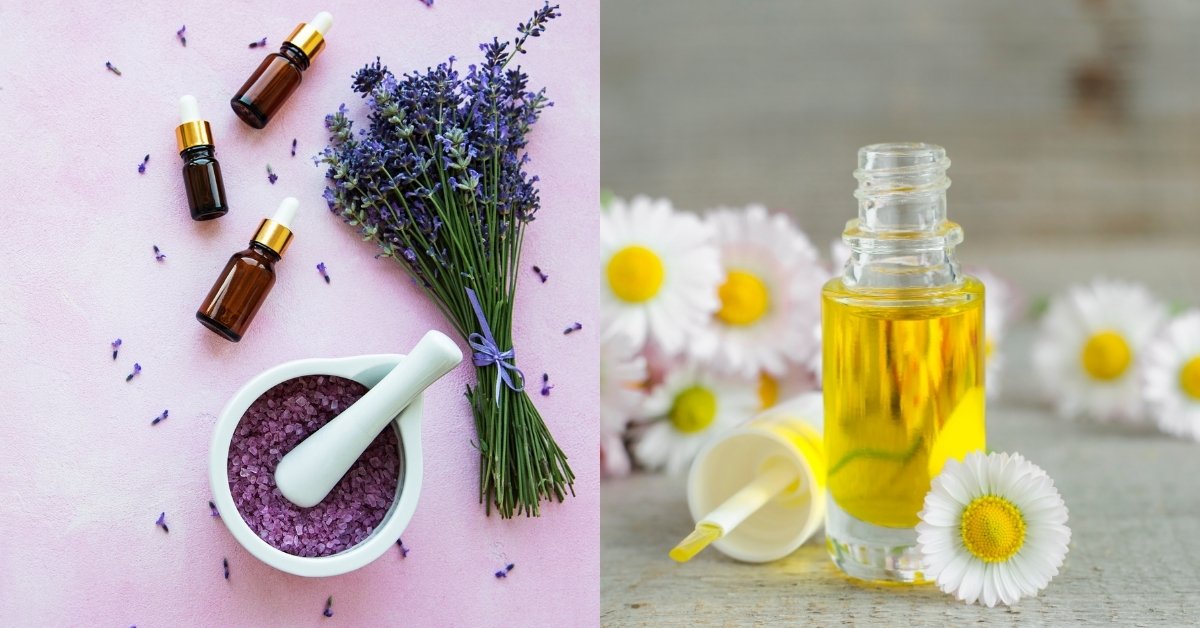
There was a catch, though. Compared with the no-scent group, lavender worsened working memory and slowed reaction times on memory and attention tasks. Feeling calm and being sharp are not the same thing, so lavender suits winding down better than it suits a deadline. If you are weighing it against another classic soothing ingredient, the comparison of lavender and chamomile for anxiety goes deeper into what the studies show.
Rosemary: Alertness and Memory
Rosemary showed almost the opposite profile in that same study. Participants exposed to it rated themselves as more alert than both the lavender group and the no-scent group. It also improved the overall quality of memory performance.
The benefit was not universal, since rosemary slowed the speed of memory tasks. The practical takeaway is that rosemary looks more useful for staying switched on than for relaxing, and it is worth trying at the start of a work session.
Citrus, Peppermint, and Other Uplifting Scents
Citrus and peppermint are widely described as energizing, and many people find them refreshing. The evidence is thinner than it is for lavender and rosemary. It leans on smaller studies that use different methods, which makes the results harder to compare.
Treat them as low-risk things to try for a scent and mood boost, not as proven tools. Pay attention to how you actually feel after a week of using one, rather than to what the bottle says it should do.
Vanilla and Warm Scents for Comfort
Warm, sweet notes like vanilla often feel cozy, largely because of the associations they carry. Since that comfort is learned rather than built in, it varies from person to person. Someone who grew up around baking may feel soothed, while someone else may find the same note cloying.
Vanilla also behaves very differently depending on how it is used in a formula. The breakdown of what vanilla smells like in perfume explains why one vanilla can read as creamy and another as smoky or boozy.
Further Reading
Lavender vs Chamomile for Anxiety: What the Studies Actually Show
A closer look at how the two most popular calming scents really compare.
Why Scent Does Not Affect Everyone the Same Way
If you have ever tried a scent that a friend swears by and felt nothing, you are not doing it wrong. Several variables change how a smell lands, and they explain why broad claims about the “best scent for happiness” deserve some skepticism.

Culture, Experience, and Personality
The same review points to several factors that shape responses, including culture, personal experience, sex differences, and personality. A scent that signals cleanliness in one country can signal a hospital in another. Two people can breathe the same air and report different moods, and both can be accurate.
Dose and Duration
More is not better. A heavy dose can turn a pleasant smell into a headache, and the review notes that everyday odor levels are unlikely to act like a drug on the brain. That is one reason it favors a psychological explanation. A light, brief exposure is usually enough for the associative effect to work.
Your nose also adjusts. After a while you stop noticing a constant smell, and its effect on how you feel may fade along with it. Using a scent in short windows tends to work better than leaving it on all day.
Setting and Timing
Context changes everything. Lavender in a quiet bedroom feels different from lavender in a busy office at noon. Matching the scent to the moment matters as much as choosing the scent itself, which is where the practical side of this topic begins.
Best Scents for Mood in Everyday Life
Turning the research into habits is where this gets useful. Think in terms of moments in your day rather than a single all-purpose mood scent.
For Winding Down in the Evening
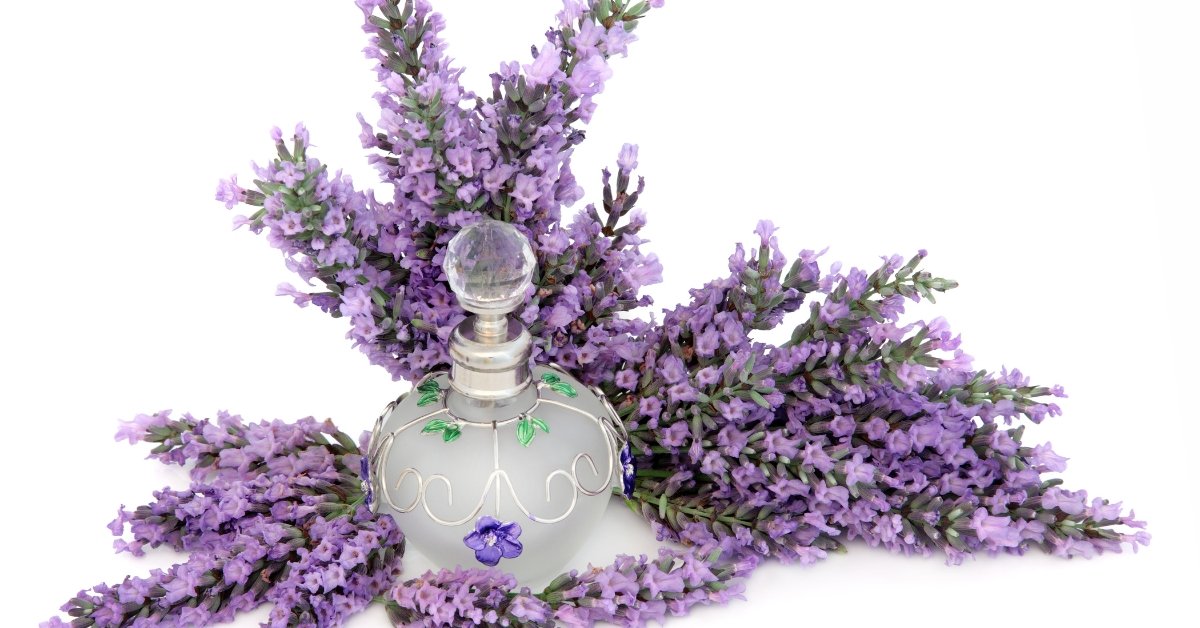
Lavender is the obvious starting point, though a consistent routine matters more than the exact oil. Using the same scent at the same point every night teaches your brain to link it with rest. That is the associative effect doing its job.
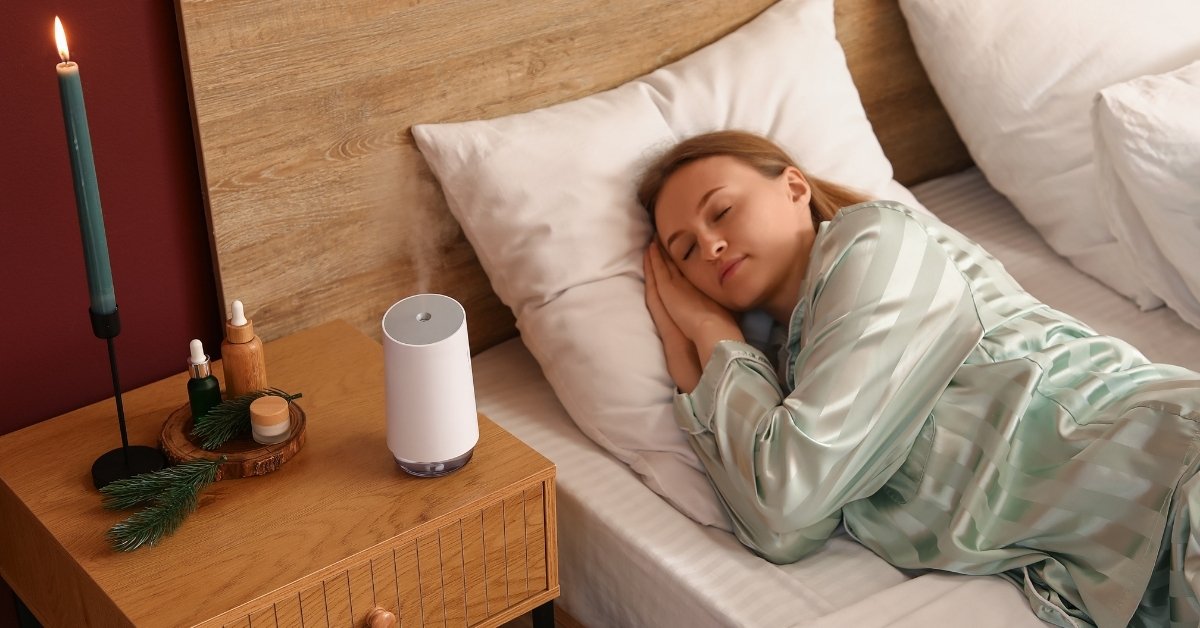
Keep the scent light and let it be one small piece of a larger wind-down. The step-by-step approach to building a bedtime ritual with scents shows how to fit it in without turning it into another chore.
For Morning Energy and Focus

Rosemary, peppermint, and citrus suit the start of the day. A light spritz in the room or a few minutes near a diffuser is plenty. A homemade option works well, and making your own morning room spray with essential oils takes only a few minutes.
Since lavender slowed reaction times in the study above, keep the sleepy scents away from the desk where you need to concentrate.
For Work and Shared Spaces

Scent at work needs restraint because other people share the air. A subtle fragrance you enjoy can help you feel put together and calm. Strong projection can do the opposite for the colleague sitting next to you.
If you wear perfume to the office, the picks for office perfumes that stay polite in shared air are chosen with exactly this problem in mind.
For Comfort on Low Days
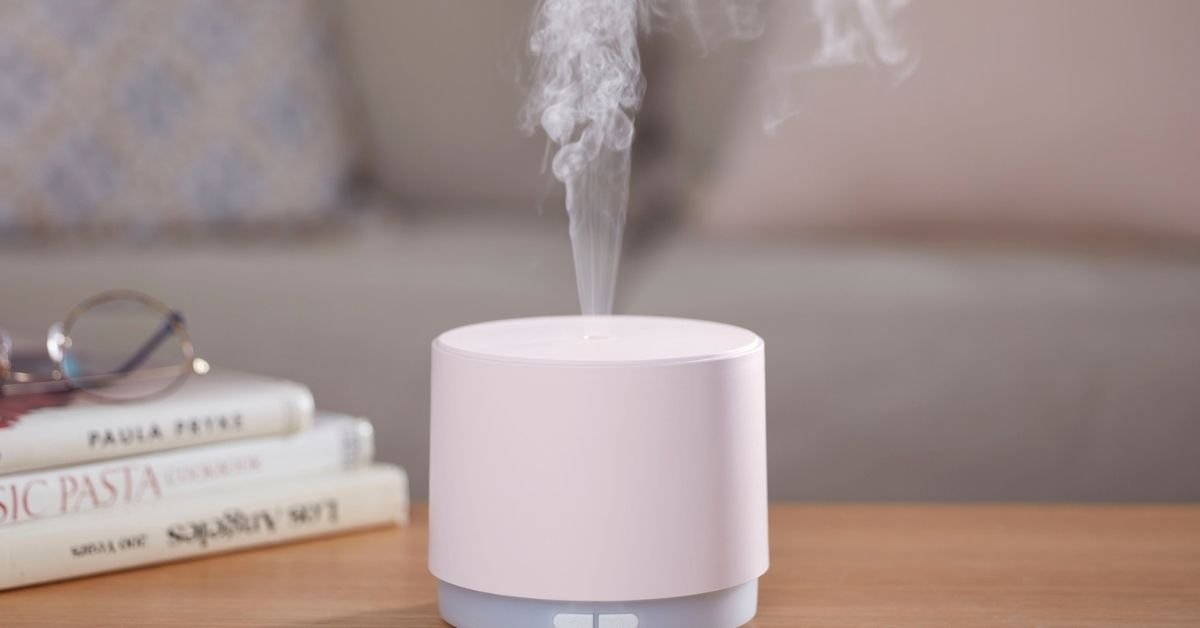
On days when you feel flat, a familiar comforting scent can help you settle. Warm notes, a favorite candle, or a diffuser running softly in the evening all work through the same association effect. If you want to try a diffuser, the guide to the best essential oil diffusers for beginners covers what to buy and why.
Keep the expectations honest, though. A scent is a small comfort, not a treatment. Persistent low mood or anxiety deserves attention from a doctor or therapist, and scent works best as a supporting habit alongside that care.
Using Scent Safely
A mood boost is not worth a rash or a headache. A few basic habits keep the experiment pleasant.
Diffusers and Essential Oils
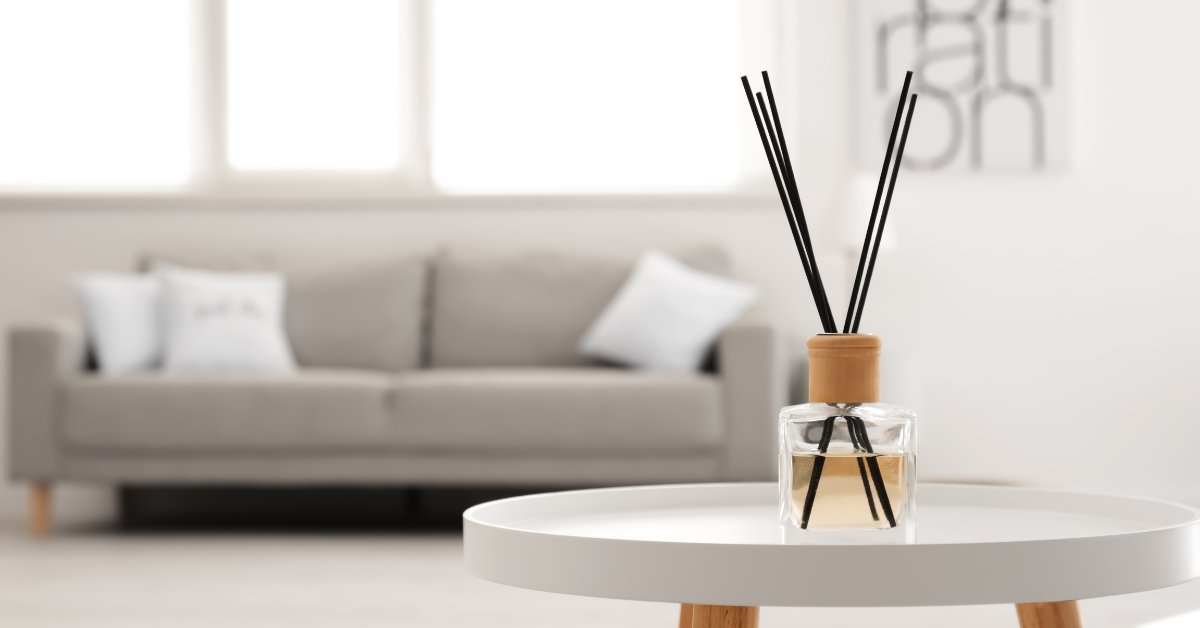
Essential oils are concentrated, so dilute them properly and ventilate the room. Take extra care around pets, babies, and anyone with asthma or sensitive airways. Running a diffuser in short sessions is gentler than leaving it on for hours. The mistakes new users make most often are laid out in the guide to essential oil safety rules beginners get wrong.
Wearing Fragrance on Skin

If a scent makes your skin itch or your head ache, it is not doing your mood any favors. Patch test new fragrances on your inner forearm, and wear less than you think you need. The question of ingredients is covered in the piece on whether synthetic fragrances are safe for your skin.
Final Thoughts
The research on scent and mood is real but modest, and it depends heavily on personal taste, memory, and expectation. Lavender tends to settle you, rosemary tends to wake you up, and a smell you simply love beats any scent that only looks good on a list. Start with one scent, use it consistently for a specific moment in your day, and let your own response decide what stays.
Further Reading
How to Create a Bedtime Ritual with Scents for Better Sleep
Put the calming side of scent to work in your evening routine.
Frequently Asked Questions (FAQ)
Does smell affect how you feel?
Yes, though the size of the effect varies. Research reviews find credible evidence that odors influence mood, physiology, and behavior. The strength of the response depends heavily on whether you like the smell, what it reminds you of, and what you expect it to do.
What are the best scents for mood?
There is no single best scent. Lavender is the most common pick for winding down, and rosemary is a good option for alertness. Citrus and peppermint are popular for freshness, although the evidence behind them is thinner. The scent you personally enjoy usually outperforms the one that looks best on paper.
Can perfume actually improve your mood?
For many people, yes, mostly through pleasantness and personal association. Wearing a fragrance you love can make you feel more put together or more relaxed. The effect is usually modest, so think of it as a small lift rather than a fix.
How quickly does scent change your mood?
The first reaction can be very fast, because smell has a short route to the brain’s emotional centers. How long the effect lasts is less clear. Research on duration is mixed, and your nose adapts to a constant smell, so short exposures often work best.
Why does a scent make me feel worse instead of better?
Usually because of association or intensity. A scent tied to a stressful memory can bring that feeling back, and a strong dose can feel overwhelming even if you like the smell. If a scent consistently leaves you feeling worse, it is fine to retire it.
Can scent replace treatment for anxiety or depression?
No. Scent can support a calming routine, but it is not a substitute for professional care. If low mood or anxiety is persistent or getting in the way of daily life, speak with a doctor or mental health professional.