Spraying your favorite fragrance in the morning only to find it gone or drastically altered by midday is a common frustration. On hot, humid days, scents often fade too quickly, turn sharp, or disappear altogether. Investing in a fragrance that fails when you need it most can feel like a waste.
Not all summer fragrances are created equal. Labels like “fresh,” “light,” or “summer-ready” do not guarantee performance in heat. Some compositions collapse within an hour, while others persist with minimal effort.
Understanding why fragrances behave differently in high temperatures will help you choose the best fragrances for hot weather, avoid wasted bottles, and enjoy consistent summer scent performance. This piece explains how heat affects fragrances, identifies common mistakes, and provides actionable tips to select and wear hot climate fragrances that last.
Table of Contents
Why Heat Affects Fragrance Performance
Temperature and humidity significantly influence how fragrances behave.
Heat Increases Evaporation
High temperatures make fragrance molecules more volatile, causing them to evaporate faster. Top notes like citrus, herbs, and light fruits are most affected, often disappearing quickly and leaving the heart and base to dominate sooner than intended. This is why a fragrance may smell fresh initially but fade or turn sharp in hours.
Humidity Changes Projection
Moist air can make fragrances appear stronger at first, but it also accelerates the breakdown of lighter molecules. Delicate naturals and certain synthetics degrade faster under heat and sweat, altering the intended balance. Even a well-formulated Eau de Toilette (EDT) can fade in an hour if the base is not stable.
ProTip: The difference between a fragrance that lasts in heat and one that doesn’t is usually structural, not brand-related. See guides on Designer vs Niche Fragrances for more details.
The Anatomy of a Heat-Resistant Fragrance
To choose a scent that survives 90-degree days, you need to look past the marketing and understand the chemistry of fixatives. Fixatives are heavier molecules that slow down the evaporation rate of lighter notes.
In hot weather, your skin’s pH changes as you sweat, becoming more acidic. This acidity can “eat” through delicate naturals. High-performance summer scents use synthetic fixatives like Ambroxan or heavy naturals like Vetiver and White Musk. These ingredients act as an anchor, holding the refreshing citrus or aquatic notes to your skin even as the temperature rises. Without these structural anchors, a fragrance is essentially just flavored water that will vanish the moment you step outside.
Common Summer Fragrance Mistakes
Avoiding simple errors can make a huge difference in summer fragrance performance.
- Overspraying: Adding four or five sprays to compensate for fading does not extend longevity. Heat can amplify harsh notes, making the fragrance overwhelming. Controlled application often works better.
- Misreading Labels: Terms like “fresh,” “light,” or “summer-ready” describe the opening impression, not how a scent performs in heat. Pure citrus or aquatic fragrances may vanish rapidly without a solid base.
- Ignoring Concentration: EDTs are lighter and evaporate faster; EDPs last longer but may feel too heavy if over-applied. Choosing the right concentration is key for summer fragrances that last.
- Layering Incorrectly: Combining incompatible notes can backfire. For example, a citrus-heavy EDT over a creamy body lotion may become unbalanced. Test combinations in real heat before adding them to your summer rotation.
Pro Tip: Building a curated fragrance collection helps avoid layering mistakes and ensures optimal summer scent performance.
Scent Families That Typically Survive Heat
Some fragrance families naturally perform better in hot climates. Knowing which ones to choose can help you build a practical summer collection.
| Scent Family | Typical Notes | Heat Performance | Longevity Notes |
|---|---|---|---|
| Citrus | Lemon, bergamot, grapefruit | Evaporates quickly | Lasts 2–4 hours; better with musk or woody base |
| Aquatic | Sea breeze, ozonic | Moderate | Lasts 3–5 hours depending on composition |
| Light Florals | Neroli, orange blossom, jasmine | Moderate | Diffuses evenly; pairs well with musk/soft woods |
| Woody/Musk | Sandalwood, cedar, light musk | Stable | Anchors lighter notes; moderate projection |
Examples in Practice:
- Citrus-based EDT: Noticeable for 3–4 hours; fades cleanly without turning sour.
- Aquatic scents: Feel airy and cooler; last several hours without overwhelming.
- Light florals: Fade gracefully, leaving a soft trail.
- Woody/musk bases: Provide stability and continuity throughout the day, supporting lighter top notes.
Note: Pure citrus without a base or dense woody fragrances without diffusion can still fail. Always prioritize structured compositions.
Application Tips for Hot Weather
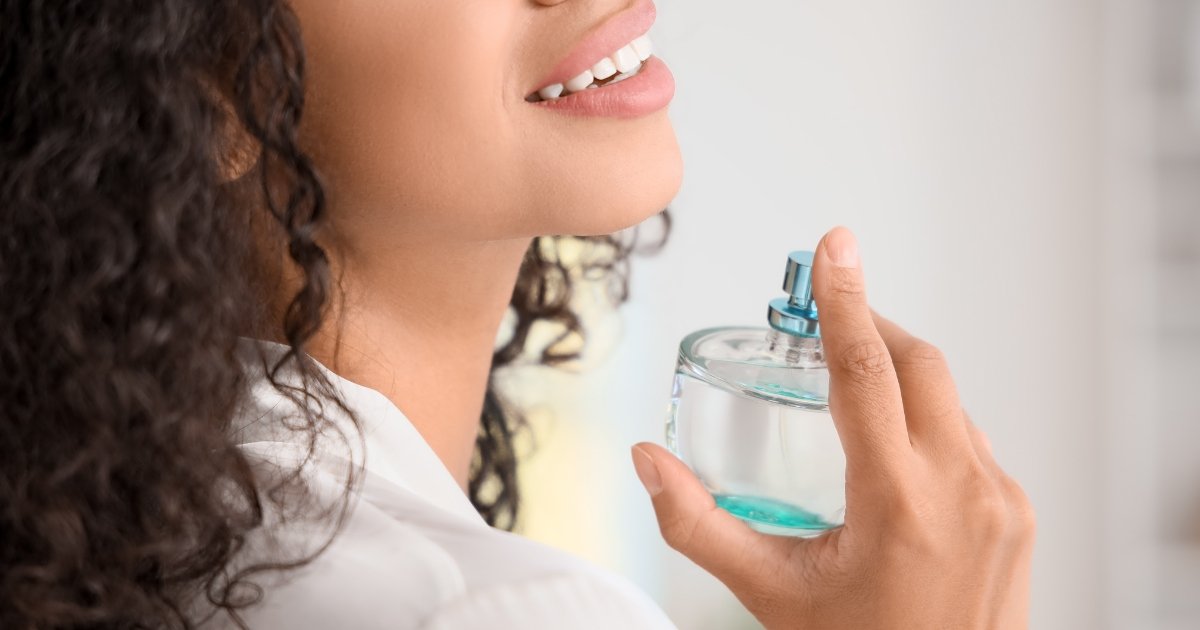
Proper application can dramatically improve how your fragrance performs in heat. Because your skin’s surface temperature is higher in the summer, standard application rules change to prioritize stability over immediate projection.
- Where to Apply: Pulse points (wrists, neck, behind ears) generate significant heat, which speeds up evaporation. In extreme heat, use fewer sprays on these areas. Instead, apply lightly to the lower chest or forearms where the skin is cooler. This allows for a slower, more controlled release of the scent.
- The Fabric Factor: If your skin is highly acidic or you sweat profusely, consider spraying your clothing, such as a cotton shirt or linen blazer, rather than your skin. Fabric doesn’t have a pH balance and isn’t affected by sweat, allowing the fragrance to maintain its true profile and last significantly longer.
- Moisture Barriers: Fragrance evaporates fastest on dry skin. Applying an unscented, oil-based moisturizer before your fragrance creates a “trap” for the perfume oils, significantly extending the life of a summer EDT.
- Layering Strategy: Light layering works better than overspraying. Applying one spray, waiting ten minutes for the alcohol to evaporate and the oils to settle, and then applying a second “misting” spray is more effective than four heavy sprays at once.
- Storage Tips: Heat and sunlight degrade delicate molecules through oxidation. Never store summer fragrances in cars, near windows, or in humid bathrooms. A cool, dark drawer is the only way to preserve the integrity of top notes like citrus and neroli.
How to Test and Build Your Summer Fragrance Collection
Testing scents in real conditions is essential for a reliable summer rotation. Don’t rely on a quick spray at a department store counter; the air-conditioned environment won’t reveal how a fragrance reacts to your unique skin chemistry in 90% humidity.
- The 4-Hour Stress Test: Apply a sample and spend at least four hours outdoors or in a non-climate-controlled environment. This allows you to observe how the mid and base notes emerge when challenged by heat.
- Observe the “Dry-Down”: Note if top notes collapse into something metallic, if mid-notes turn harsh or “sour,” or if the base persists cleanly. A successful summer fragrance should fade gracefully, maintaining its character until the end.
- Use Sampling as a Strategy: Discovery sets and travel vials are evaluation tools, not just convenience items. They allow you to test a fragrance across different activity levels, from a stagnant commute to an outdoor workout, ensuring you invest in a bottle that truly performs under pressure.
Concentration and Heat: Practical Comparison
| Concentration | Typical Heat Performance | Ideal Use |
|---|---|---|
| Eau de Cologne | Very short, clean fade | Brief outings, extreme heat |
| Eau de Toilette | Moderate, airy wear | Daily use in hot conditions |
| Eau de Parfum | Longer, risk of heaviness | Controlled application, evening wear |
| Extrait | Dense, often overwhelming | Rarely ideal for hot weather |
Correct concentration choice often outweighs expensive branding when selecting hot climate fragrances.
Top 10 Best Fragrances for Hot Weather
| Fragrance | Best For | Notes | Why It Works in Heat | Buy It Now |
|---|---|---|---|---|
| Dior Sauvage EDT | High Humidity | Bergamot, Pepper, Ambroxan | Stable musky base resists “sweating off” | Snag it on Amazon |
| Acqua di Gio Parfum | Professional/Office | Marine Notes, Clary Sage, Olibanum | Modern refillable version of Profumo; cleaner and more heat-stable | Snag it on Amazon |
| Chanel Chance Eau Fraîche | Daytime Casual | Lemon, Cedar, Jasmine | Cedar base prevents the floral notes from turning | Snag it on Amazon |
| TF Neroli Portofino | Luxury Vacation | Neroli, Orange Blossom, Amber | Structured floral that remains airy on hot skin | Snag it on Amazon |
| Creed Aventus | Signature Scent | Pineapple, Birch, Musk | Birch smoke anchors the fruit in high temps | Snag it on Amazon |
| Versace Dylan Blue | Gym/Active Wear | Grapefruit, Fig, Musk | Refreshing synthetics that project well with body heat | Snag it on Amazon |
| Replica “Beach Walk” | Weekend Outings | Bergamot, Lemon, Musk | Coconut/Musk base mimics sun-warmed skin | Snag it on Amazon |
| D&G Light Blue | Extreme Heat | Lemon, Apple, Cedar | Minimalist structure that won’t become cloying | Snag it on Amazon (Women) Snag it on Amazon (Men) |
| Hermès Jardin Sur Le Nil | Tropical Humidity | Green Mango, Lotus, Incense | Unique vegetal notes offer a “cooling” effect | Snag it on Amazon |
| Wood Sage & Sea Salt | Sensitive Environments | Sea Salt, Sage, Ambrette | Low-projection skin scent that remains clean | Snag it on Amazon |
Pro Tip: If you can no longer smell your own fragrance after an hour, you may be experiencing olfactory fatigue. The heat makes the scent project so intensely that your brain ignores it. Before reapplying, ask a friend if they can still smell you to avoid overspraying.
Frequently Asked Questions (FAQ)
Why do some fragrances smell sour in heat?
Heat accelerates evaporation, exposing sharp mid notes while sweat may interact with certain molecules to alter the scent character. Structured bases like musk or vetiver are essential in these conditions as they help prevent sour notes from developing and maintain the intended fragrance profile.
How can I make a light summer fragrance last longer?
To improve longevity, apply fragrance on moisturized skin or layer with a matching or neutral body lotion to give the scent something to cling to. Additionally, use pulse points strategically, store bottles in a cool, dark place, and consider choosing EDP versions for longer wear.
Are citrus fragrances always the best for summer?
Not always, as pure citrus fragrances tend to fade quickly in high heat. Structured citrus blends that incorporate woody or musky bases are often a better choice, as they last longer and maintain consistent summer scent performance compared to simple citrus scents.
How does humidity affect performance?
High humidity may initially enhance a fragrance’s projection, but it also accelerates the breakdown of volatile top notes. In humid conditions, woody or musky bases remain more consistent than delicate florals or pure citrus, making them a more reliable choice for lasting performance.
Does sunscreen affect fragrance?
Yes, chemical sunscreens can alter fragrance dry-down and projection due to ingredient interactions. To avoid this, apply fragrance lightly after the sunscreen has fully absorbed into the skin, or simply spray on clothes instead to bypass any chemical conflict.
Fragrances often fail in hot weather because heat accelerates evaporation, alters chemistry, and affects projection. Choosing the best fragrances for hot weather requires attention to composition, concentration, and realistic testing.
Proper application and storage also influence longevity. By building a summer rotation based on structured scent families, correct concentrations, and practical application techniques, you can minimize surprises and enjoy fragrances that remain pleasant even in the hottest conditions.
With careful testing, awareness of your environment, and strategic layering, you can confidently wear scents that truly perform, ensuring your summer fragrance experience is both enjoyable and long-lasting.