What does vanilla smell like? Sweet, warm, and creamy at first spray. But that’s only the surface of it. In perfume, vanilla can also read powdery, boozy, smoky, or spicy, depending on the material and what it’s blended with. That’s why one vanilla perfume can smell like a bakery and another can smell like a whiskey barrel. Getting comfortable with the difference is part of building real fragrance basics, and vanilla is one of the best notes to start with.
Table of Contents
What Vanilla Actually Smells Like: The Facets
“Vanilla” isn’t one smell — it’s a cluster of related qualities that show up in different combinations depending on the material.
- Sweetness — the most recognizable facet, and the one most people expect. This is the sugary, almost edible quality that reads as “dessert-like.”
- Creaminess — a soft, rounded quality that makes vanilla feel comforting rather than sharp. This is what gives vanilla its “skin-like” warmth in modern fragrances.
- Balsamic depth — a resinous, slightly thick quality found in richer vanilla materials, related to how vanilla is chemically similar to other balsamic notes like benzoin and tolu balsam.
- Powderiness — a soft, cosmetic quality that shows up when vanilla is paired with musks or iris, common in more elegant vanilla fragrances rather than gourmand ones.
- Boozy, smoky, or hay-like notes — found in richer natural vanilla materials, closer to the smell of a cured vanilla pod than to vanilla candy.
Most commercial vanilla perfumes lean on the first two facets — sweetness and creaminess — because they’re the most universally appealing. The more interesting vanilla fragrances draw out the balsamic, powdery, or boozy sides, which is exactly why they smell so different from each other despite sharing the same note.
Further Reading
Best Gourmand Perfumes That Don’t Smell Like a Bakery
Vanilla is the gateway note into gourmand fragrance. Here’s where to go once it clicks.
Why Vanilla Smells Different in Every Perfume
This is the question behind the question. If you’ve loved one vanilla perfume and hated the next one, it’s not a mystery — it’s material, chemistry, and composition.
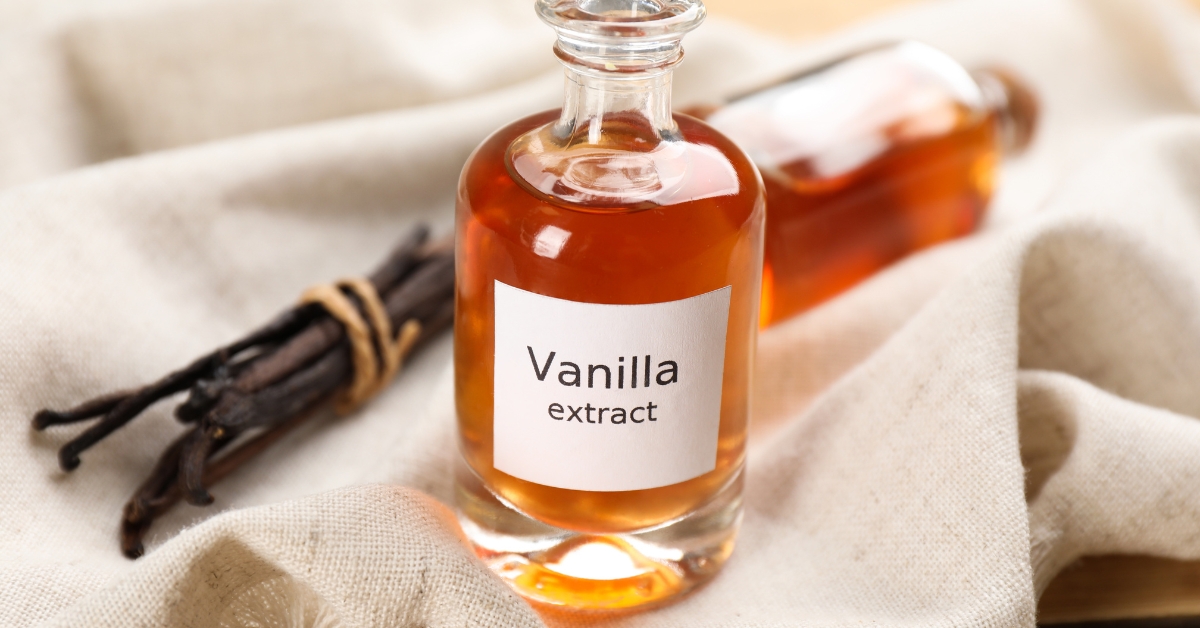
The Vanilla Material Chain: From Pod to Perfume
Vanilla in perfumery isn’t one ingredient — it’s a chain. It starts as a concept (the smell people mean when they say “vanilla”), moves through natural materials like cured vanilla pods and vanilla absolute, continues through vanillin and related aroma molecules, and ends in full fragrance compositions that build a “vanilla effect” using some combination of the above — sometimes with very little actual vanilla material involved at all.
Vanillin, the molecule most responsible for vanilla’s characteristic sweetness, wasn’t originally extracted from vanilla at all. It was first synthesized in 1874 by German chemists Wilhelm Haarmann and Ferdinand Tiemann, who derived it from compounds found in conifer sap rather than vanilla pods — a discovery that eventually grew into Symrise, one of today’s major fragrance and flavor houses.
That breakthrough mattered because natural vanilla has never come close to meeting global demand: Symrise’s own vanilla division notes that the amount of natural vanilla produced worldwide falls far short of what the market wants, which is exactly why synthetic vanillin exists and why it’s used in the overwhelming majority of vanilla-scented products, perfume included.
None of this makes vanillin a lesser ingredient. It’s a building block, not a shortcut — perfumers use it alongside other materials to create everything from a simple, clean sweetness to a dense, layered gourmand accord. Natural vanilla absolute isn’t automatically more sophisticated, and vanillin isn’t automatically flatter. What matters is how much skill goes into combining them.
Why Natural Vanilla Costs So Much
Part of why natural vanilla plays such a small role in the overall vanilla supply comes down to how it’s actually produced. Vanilla orchids have to be pollinated by hand, flower by flower, on the single day each blossom is open — a process vanilla extract producer Nielsen-Massey describes as beginning on small family farms, where the pods then take months to mature before an additional curing process of hot-water blanching, sweating, and sun-drying that stretches the timeline from pollination to export to roughly a year, done entirely without machinery.
That’s a genuinely labor-intensive agricultural product, which is why vanilla absolute is one of the more expensive materials a perfumer can reach for — and why most vanilla fragrances, even excellent ones, lean on vanillin and supporting materials to build their vanilla effect rather than relying on absolute alone.
How Supporting Notes Reshape Vanilla’s Character
This is the second half of the answer, and arguably the more important one for picking a fragrance you’ll actually like: supporting notes change how vanilla reads. Pair vanilla with tonka bean and amber, and it leans warm and cozy. Pair it with tobacco and dark woods, and it turns boozy and dense. Pair it with musk and iris, and it goes powdery and soft. Pair it with coffee or cacao, and it becomes a full gourmand.
The word “vanilla” in a note list tells you almost nothing about which of these directions a fragrance will actually take — which is why two perfumes can both be “vanilla” and smell like completely different things.
Concentration, Formulation, and Skin Chemistry
Concentration plays a role too. A vanilla-heavy Extrait will develop more slowly and read richer than the same accord in a lighter Eau de Toilette, simply because there’s more of the material present and less alcohol to carry it off the skin quickly. Individual skin chemistry adds one more variable — how a fragrance’s other notes interact with your particular skin oils will shift the balance further, which is part of why no two people wear the same vanilla fragrance identically.
Where Vanilla Sits in a Fragrance
Vanilla is almost always found in the base of a fragrance — the layer that emerges after the top and heart notes fade and lasts the longest on skin. That’s part of why vanilla fragrances tend to feel so long-wearing: base materials like vanilla, musk, and woods are chosen for their staying power. Top, heart, and base notes each play a different role in how a fragrance develops over the hours you wear it, and that structure is worth understanding on its own terms before you start comparing vanilla fragrances against each other.
Further Reading
Fragrance Families Explained: How to Know What You’ll Like Before You Buy
Gourmand is just one family. See how vanilla fits into the bigger picture.
What Pairs Well With Vanilla, and Why
Vanilla is one of the most flexible base notes in perfumery, which is part of why it shows up so often. A few common pairings, and what each one does:
- Tonka bean — adds a nutty, almond-like warmth that deepens vanilla’s sweetness without making it heavier.
- Amber — pushes vanilla toward the warm, resinous, “oriental” direction, often the reference style for classic vanilla fragrances.
- Tobacco — pulls vanilla into darker, boozier territory, closer to a dessert-meets-cigar-lounge effect.
- Musk — softens vanilla into something closer to skin, minimizing the sweetness in favor of warmth.
- Coffee and cacao — intensifies the gourmand, dessert-like side of vanilla.
- Spices (cinnamon, cardamom) — add warmth and a slightly savory edge that keeps vanilla from tipping into pure sugar.
These pairings are exactly why the top-rated vanilla perfumes for women this year can smell so distinct from one another: each one is built around a different combination from the list above.
Find Your Vanilla: Types and How to Choose
Once you understand vanilla’s facets and how supporting notes reshape it, picking a fragrance stops being guesswork. Here’s how the major styles break down.
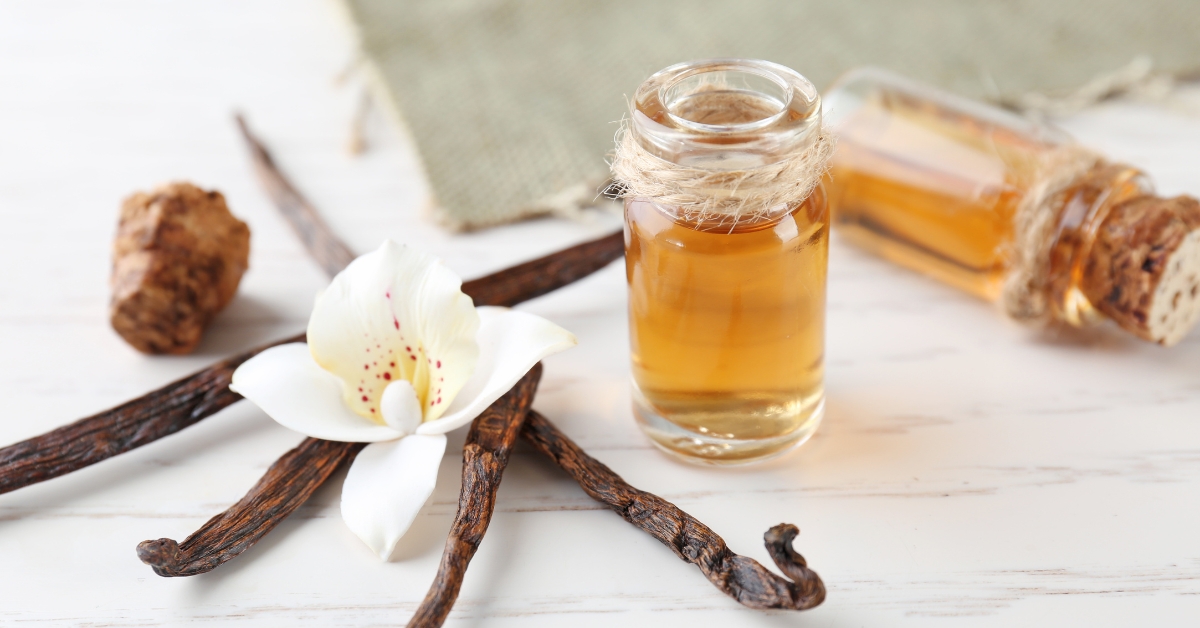
Creamy, Gourmand Vanilla
Sweet and dessert-like, usually built around sugar, caramel, or tonka rather than anything darker. This is the most beginner-friendly style and the closest to what most people picture when they hear “vanilla perfume” — comforting rather than complex, and easy to wear daily without overthinking it. If this is your lane, several of the sweetest, most dessert-forward picks on the market lean directly into this exact profile.
Warm, Ambery Vanilla
Richer and more resinous than gourmand vanilla, built around amber and spice rather than sugar. Feels more grown-up and less overtly sweet — this is the classic oriental-perfume direction, and a good next step once straightforward gourmand vanillas start to feel one-note.
Boozy, Dark Vanilla
Vanilla paired with tobacco, dried fruit, or dark woods reads sophisticated and a little unexpected. This is the style worth reaching for if you find typical gourmand vanilla too straightforward or too sweet — it keeps vanilla’s warmth without the sugar.
Dry, Woody Vanilla
Vanilla balanced against cedar, sandalwood, or vetiver so the sweetness is grounded rather than dominant. A strong choice if you like vanilla’s warmth and longevity but want something that reads more unisex or office-appropriate than a dessert-forward scent.
Powdery, Soft Vanilla
Vanilla softened with musk or iris into something closer to a clean skin scent than a dessert. Subtle, versatile, and the easiest of the five styles to wear without anyone clocking it as “a vanilla perfume” at all — good for daily wear or layering under something else.
If you’re not sure which of these actually suits you, eight vanilla fragrances under $50 that cover most of these styles make for a low-risk way to figure out your direction before spending more on a full-price bottle.
Why Vanilla Perfume Doesn’t Always Smell Like Vanilla Extract
If you’ve ever expected a “vanilla perfume” to smell like the vanilla extract in your kitchen and been surprised, you’re not imagining things — the two aren’t really the same olfactory experience. Vanilla extract is dominated by a narrow set of sweet, culinary notes.
Fine fragrance, by contrast, usually emphasizes only certain facets of vanilla — the balsamic depth, the powderiness, the booziness — while other notes in the composition reshape how those facets come across. A perfume can smell “vanilla” while reading smoky, woody, floral, or spicy first, with the actual sweetness held in the background. The word “vanilla” on a note pyramid is a starting point, not a guarantee of what you’ll actually smell.
Further Reading
How to Layer Fragrances Without Smelling Overwhelming
Vanilla is one of the easiest base notes to build a signature layer around.
Frequently Asked Questions (FAQ)
Does vanilla perfume smell like actual vanilla?
Not exactly. Fine fragrance typically emphasizes specific facets of vanilla — sweetness, creaminess, balsamic depth — rather than reproducing the flat, culinary smell of vanilla extract. The result can range from dessert-like to smoky and boozy, depending on the composition.
Why do some vanilla perfumes smell sweeter than others?
It comes down to which vanilla materials are used and what they’re paired with. A composition built around vanillin and sugar-adjacent notes will read sweeter; one built around vanilla absolute, woods, and tobacco will read darker and less sugary, even though both are technically “vanilla” fragrances.
Is vanilla a top, middle, or base note?
Vanilla is almost always a base note. It emerges later in a fragrance’s development and stays present the longest on skin.
Is vanilla a masculine or feminine fragrance note?
Neither, inherently. Vanilla is used across men’s and women’s fragrances alike — the feminine association comes from marketing conventions rather than anything about the material itself. Vanilla paired with tobacco and woods reads differently from vanilla paired with sugar and musk, but both are equally valid uses of the same note.