
Many people struggle to fall asleep even when they feel tired. After a long day, the mind can stay active, making it difficult to fully relax. Creating a bedtime ritual with scents is a simple way to help the body transition from wakefulness to rest.
Certain calming aromas, such as lavender, chamomile, and sandalwood, are known to support relaxation and create a peaceful nighttime atmosphere. When used consistently, these scents can signal to the brain that it is time to slow down and prepare for sleep. Over time, this small habit can turn bedtime into a calming and comforting part of the day.
Why Scents Can Help the Body Prepare for Sleep
Scent has a powerful influence on how the body and mind respond to relaxation. The sense of smell connects directly to parts of the brain that control emotions, memory, and stress levels. This is why certain aromas can instantly make a person feel calm or comforted. When used as part of a nightly routine, calming fragrances can help signal that it is time to rest.
Many people turn to scents for better sleep because they help create a peaceful environment that encourages the body to unwind. Aromas such as lavender, chamomile, and sandalwood are widely used in aromatherapy bedtime routines because they support relaxation and reduce mental tension. Over time, the brain begins to associate these scents with rest.
The more consistently a scent is used at night, the stronger this connection becomes. Eventually, simply smelling the fragrance can help the body shift into a relaxed state that makes falling asleep feel easier and more natural.

Best Soothing Scents for a Bedtime Ritual
Lavender
Lavender is one of the most popular choices when creating a calming bedtime routine. Its soft floral scent is widely known for helping the body relax and prepare for rest. Many people use lavender in diffusers, pillow sprays, or lotions as part of an aromatherapy bedtime routine. When used consistently, the scent can become a signal that it is time to wind down. Because of its gentle and soothing nature, lavender is often considered one of the best calming scents for bedtime.
Chamomile
Chamomile has a light and comforting scent that supports relaxation. It is often chosen by people who prefer mild fragrances and is commonly used in evening routines. Chamomile works well in calming environments and can easily become part of a relaxing bedtime routine idea that focuses on peaceful habits before sleep.
Sandalwood
Sandalwood has a warm, woody aroma that feels grounding and relaxing. Its deeper scent can help quiet racing thoughts and encourage mental calm. Many people include sandalwood in their aromatherapy bedtime routine to create a peaceful atmosphere before bed.
Vanilla
Vanilla has a warm and comforting scent that promotes calm and relaxation. Its gentle sweetness can make bedtime feel cozy and peaceful, which is why it is often included among the best calming scents for bedtime.
Cedarwood
Cedarwood has an earthy aroma that supports relaxation and emotional balance. The scent creates a calm environment that can help the body settle down at night, making it a helpful addition to routines that use scents for better sleep.

How to Create a Bedtime Ritual with Scents
Step 1: Choose One Signature Sleep Scent
Start by choosing one scent that you will use regularly before bed. Using a single fragrance works better than switching between many different ones. When the brain smells the same aroma night after night, it begins to connect that scent with relaxation and rest. This simple habit can help strengthen the effect of scents for better sleep over time.
Step 2: Pair the Scent with a Relaxing Activity
Next, combine the scent with a calming activity that helps you slow down at the end of the day. Reading a few pages of a book, spending time in prayer, journaling your thoughts, or doing gentle stretching can help quiet the mind. When these activities are paired with scent, they become part of a soothing aromatherapy bedtime routine.
Step 3: Use the Scent at the Same Time Every Night
Consistency helps the body learn when it is time to rest. Using the scent at the same time each evening strengthens the association between the fragrance and sleep.
Step 4: Keep Your Bedroom Calm and Comfortable
Create a peaceful environment with dim lighting, a quiet atmosphere, and minimal distractions so your body can fully relax.
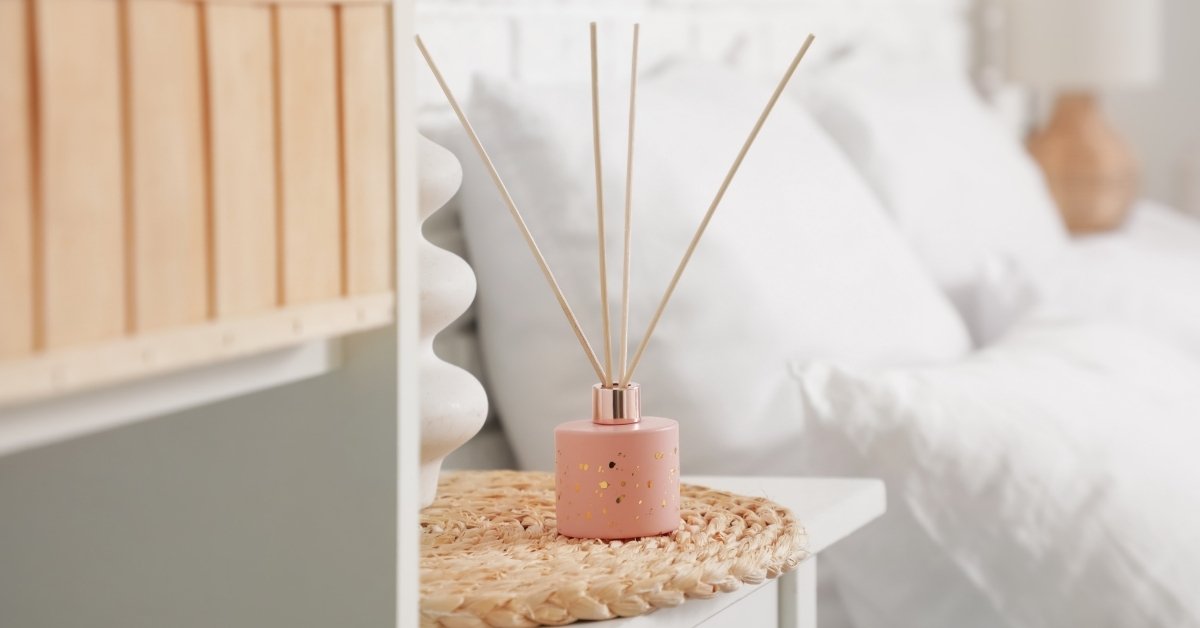
Simple Ways to Add Scents to Your Bedtime Routine
There are many gentle ways to introduce calming aromas into your nighttime habits. These small additions can help create a soothing environment and support scents for better sleep without requiring a complicated routine.
One common method is using a diffuser in the bedroom. Diffusing calming essential oils shortly before bed can fill the room with a relaxing fragrance that prepares the mind for rest. Lightly scented lotions are another option. Applying them to the hands, neck, or shoulders can create a calming sensory experience while also helping the body unwind.
Pillow or linen sprays are also popular for a relaxing bedtime routine. A light mist on bedding can provide a subtle scent that lasts through the night. Some people also enjoy using scented body washes or bath products in the evening, allowing the fragrance to become part of their aromatherapy bedtime routine before they even get into bed.
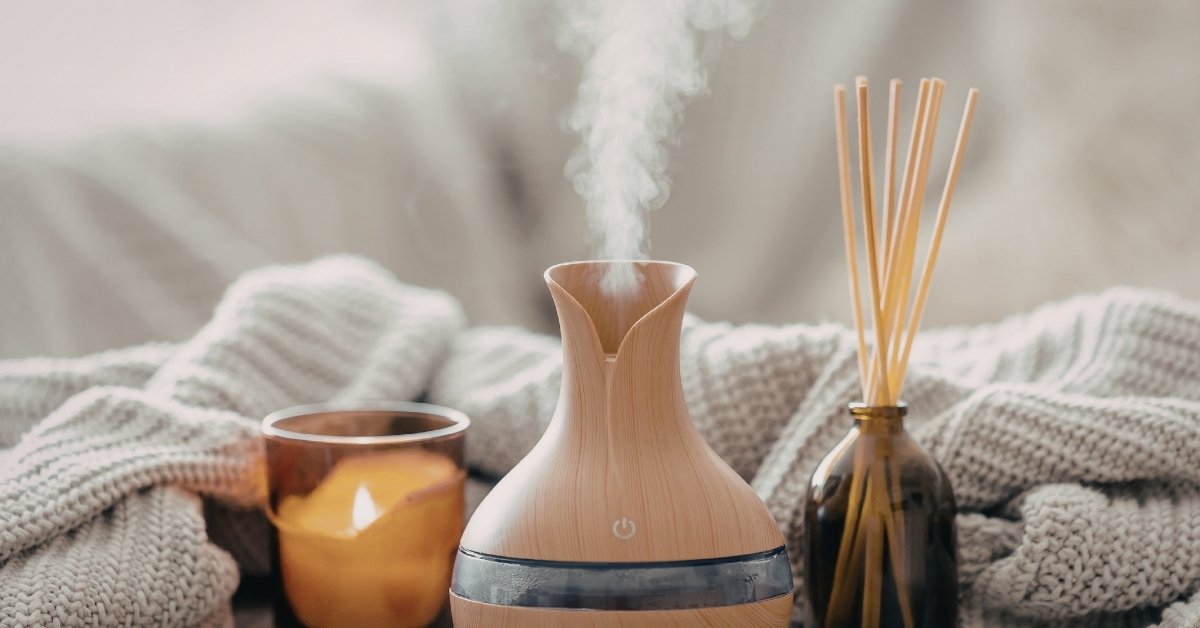
Mistakes to Avoid When Using Scents at Night
Creating a calming bedtime routine with fragrance can be very helpful, but a few common mistakes can reduce its benefits. When using scents in the evening, it is important to keep the experience gentle, consistent, and relaxing so the body can associate the aroma with rest.
- Using overly strong fragrances
Very intense scents can become distracting rather than calming. Strong aromas may stimulate the senses and make it harder to relax. For an effective aromatherapy bedtime routine, choose soft and subtle fragrances that create a peaceful atmosphere. - Changing scents too frequently
Switching between many different fragrances can confuse the brain. Consistency helps the mind recognize bedtime signals. Using the same scent regularly strengthens the connection between the fragrance and sleep. - Using artificial scents that cause irritation
Some synthetic fragrances may trigger headaches or discomfort for sensitive individuals. Look for gentle and skin safe products that support a relaxing environment. - Applying undiluted essential oils
Essential oils are highly concentrated and should not be used directly on the skin. Always dilute them properly to keep your nighttime routine safe and comfortable.
Creating a bedtime ritual with scents can transform your evenings into a peaceful and relaxing experience. Using calming aromas such as lavender, chamomile, or sandalwood consistently helps signal to the brain that it is time to unwind and prepare for sleep. Pairing these scents with simple activities like reading, journaling, or gentle stretching strengthens the association between fragrance and relaxation. Over time, this aromatherapy bedtime routine can make falling asleep easier and more natural. By keeping your environment calm and using scents thoughtfully, you can turn bedtime into a comforting and restorative part of your day.