Choosing a fragrance is a multi-faceted experience that often oscillates between two distinct motivations: the desire for personal olfactory satisfaction and the pursuit of social validation. For many, a perfume is a private sanctuary, a scent that evokes a specific memory or provides emotional comfort throughout a busy day. For others, a fragrance serves as a powerful tool for social signaling, intended to leave a positive and lasting impression on those nearby.
Finding the right balance between these two perspectives is a common challenge for both newcomers and seasoned enthusiasts. While some readers may prioritize scents that are almost guaranteed to elicit positive feedback, others prefer to wear compositions that reflect their unique identity, regardless of external reactions. We provide an in-depth look into the psychology behind compliment getting fragrances, the importance of personal preference, and how to navigate the intersection of both to build a versatile and fulfilling collection.
Understanding Compliment-Getting Fragrances
The concept of crowd pleasing fragrances is not merely a marketing term; it is rooted in how the human brain processes familiar and pleasant stimuli. Certain fragrances are statistically more likely to receive positive attention because they lean into notes that are culturally and biologically associated with cleanliness, health, and vitality.
What Makes a Fragrance Likely to Get Compliments
Several specific traits define perfumes that get compliments. These scents generally avoid being “challenging” or “polarizing.” Instead, they utilize approachable structures that have a broad appeal across different demographics.
- Familiarity: Scents that remind people of pleasant, everyday experiences, such as fresh laundry, a citrus grove, or vanilla, tend to be well-received. Familiarity breeds comfort, making it easier for a stranger or acquaintance to offer a compliment.
- Moderate Sillage: To get a compliment, a fragrance must be noticed, but it should never be overwhelming. Moderate sillage ensures the scent reaches the people around you without invading their personal space or causing discomfort.
- Balanced Composition: These compositions often avoid heavy animalic notes, thick resins, or extremely dry woods. Instead, they focus on “bright” or “creamy” textures that feel inviting.
Psychologically, wearing a fragrance for social perception can provide a boost in confidence. Knowing that your choice is viewed favorably by peers can reinforce your sense of belonging and professional poise.
Limitations of Chasing Compliments
Despite the allure of positive feedback, there are significant limitations to choosing scents based solely on social approval. The most prominent risk is the loss of authenticity. If you wear a scent that you find boring or cloying just because it is popular, the fragrance may feel like a costume rather than an extension of your personality.
Furthermore, there is no guarantee of feedback. Fragrance performance varies based on skin chemistry and environment; a scent that works for a friend might not project the same way on you. Relying on external validation can lead to frustration if a highly-rated “compliment getter” fails to produce the expected results. A thoughtful, balanced selection process is necessary to avoid these pitfalls.
Personal Preference vs Social Approval

The tension between what we like and what others like is where most fragrance journeys truly begin. Understanding this divide helps in categorizing your collection and managing your expectations for different social scenarios.
Wearing Fragrance for Yourself
For many enthusiasts, wearing fragrance for yourself is a form of self-care. Scents function as mood enhancers, capable of grounding us during stress or energizing us in the morning. This internal connection to fragrance notes is deeply subjective and often tied to personal history. You might love the smell of damp earth or bitter galbanum because of a childhood memory, even if those notes are not traditionally considered “compliment-friendly.”
Prioritizing emotional satisfaction ensures that you enjoy your investment every single day, regardless of whether you are in a crowded room or sitting alone at home. For a deeper look at identifying your own unique tastes, our Beginner Fragrance Guide offers foundational advice on scent families and note identification.
Examples of Personal Preference Fragrances:
- Evening at home or date night: You wear a spicy oriental or rich gourmand fragrance because it makes you feel confident, regardless of whether it’s universally liked.
- Experimenting with niche scents: You try a rare woody or resinous perfume that evokes a personal memory or feeling, even if it’s unfamiliar to others. Our niche fragrances guide helps you navigate these complex territories.
- Travel or self-care days: You choose a fragrance you love (it may be bold, unusual, or deeply personal) because your enjoyment is the priority.
Crowd Pleasing Fragrances
On the other end of the spectrum are the fragrances designed for universal appeal. These often serve as the “workhorses” of a collection. They are reliable, safe for the office, and effective for first dates where you want to remain approachable.
Common traits of these scents include:
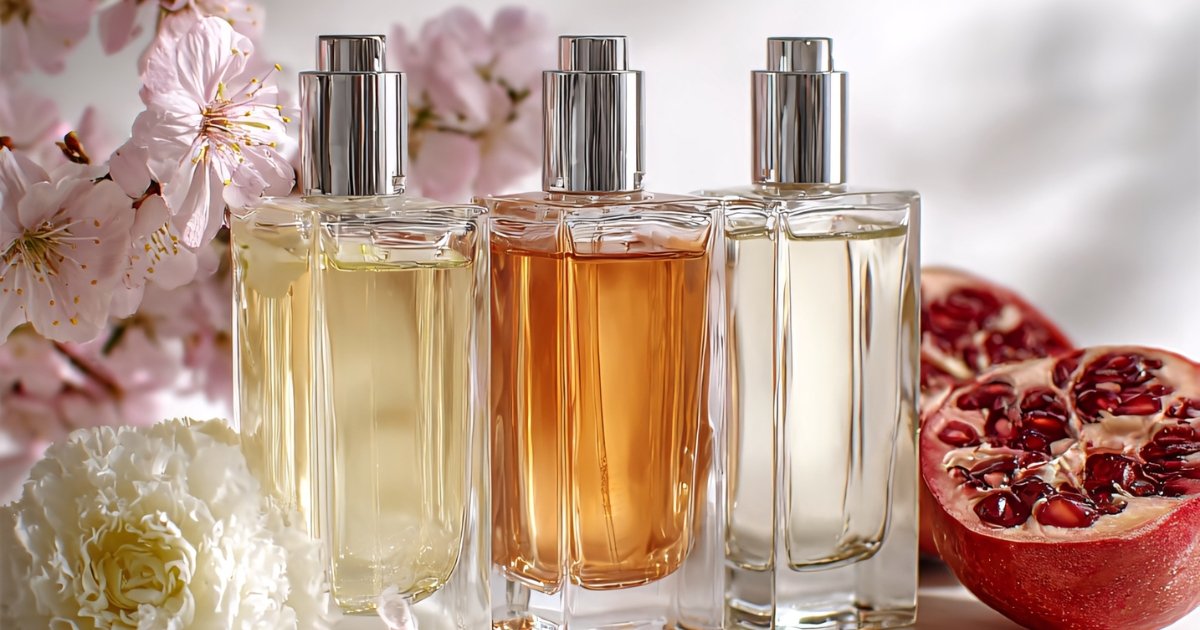
- Light Florals: Such as jasmine or peony, which feel airy and fresh.
- Fresh Citrus: Including bergamot, lemon, and grapefruit for a clean, “just-showered” vibe.
- Soft Musks: Which provide a “skin-but-better” quality that is rarely offensive.
Examples of Compliment-Getting Fragrances:
- Morning coffee run: You wear a light citrus or soft floral from your beginner fragrance guide picks that is familiar and pleasant—colleagues notice but it’s not overpowering.
- Work meeting or social event: A soft musky or lightly sweet fragrance creates a subtle positive impression without drawing attention away from the conversation.
- Everyday errands: Choose a fragrance that’s broadly appealing, like a fresh aquatic or clean floral, ensuring your scent is noticed positively in public spaces.
Balancing Both Worlds
You do not have to choose one philosophy over the other. The most successful fragrance wardrobes incorporate both. A practical tip for beginners is to rotate scents based on context. You might choose a crowd-pleaser for a wedding or a large professional meeting to ensure you fit the environment, while saving your bold, experimental favorites for private enjoyment or small gatherings with close friends.
Here’s a quick comparison of the traits that make fragrances likely to get compliments versus those chosen primarily for personal satisfaction.
| Trait | Compliment-Getting Fragrances | Personal Preference Fragrances |
|---|---|---|
| Scent Profile | Familiar, approachable notes (light florals, soft musks, citrus) | Notes you personally enjoy, even if unusual or bold |
| Intensity / Sillage | Moderate, noticeable without overpowering | Can be subtle or strong depending on personal taste |
| Longevity | Balanced — lasts long enough to be noticed socially | As long as it satisfies your personal use |
| Occasion | Daytime, social, or work-friendly | Any occasion that feels enjoyable to you |
| Uniqueness | Less extreme, widely appealing | More niche, rare, or experimental |
| Emotional Impact | Evokes positive social feedback | Evokes personal satisfaction, comfort, or memory |
| Risk Factor | Low — unlikely to offend or be polarizing | Higher — may divide opinions but is true to self |
Fragrance Selection Psychology
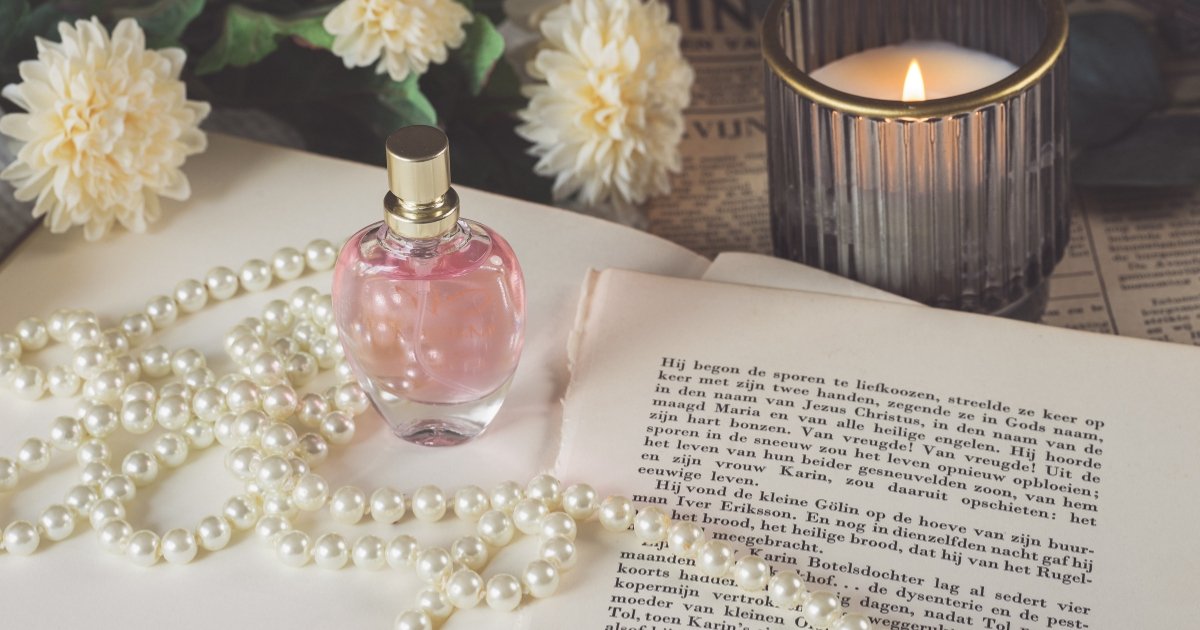
The way we perceive fragrance is heavily influenced by cognitive biases and social dynamics. Sensory research suggests that olfactory perception is not purely chemical; it is deeply intertwined with psychology. Understanding these mechanisms can help you become a more objective consumer.
Cognitive Biases and Social Proof
We often experience a “confirmation bias” regarding our favorite perfumes. If we receive one compliment on a specific scent, we may overvalue its effectiveness and ignore the dozens of times it went unnoticed. This is often reinforced by “social proof,” a psychological phenomenon where individuals look to the behavior of others to determine their own. If a fragrance is trending on social media, we are more likely to perceive it as “good” because of peer perception, even if our own nose is indifferent to it.
The Halo Effect in Olfaction
Psychologists often refer to the “Halo Effect,” where one positive trait of a person influences the overall perception of them. In the context of fragrance, wearing a widely liked, “clean” scent can lead others to unconsciously attribute other positive qualities to you, such as trustworthiness or professional competence. This social signaling is a primary driver for those who seek out compliment-getting fragrances.
Expectation Management
Setting realistic standards for your fragrance personal preference is key to long-term enjoyment of this hobby. It is a misconception that “every fragrance must get compliments” to be successful. In reality, most people will not comment on your scent, even if they like it. Shifting the focus from external validation to subjective enjoyment allows for a more relaxed and authentic experience.
Practical Tips for Beginners
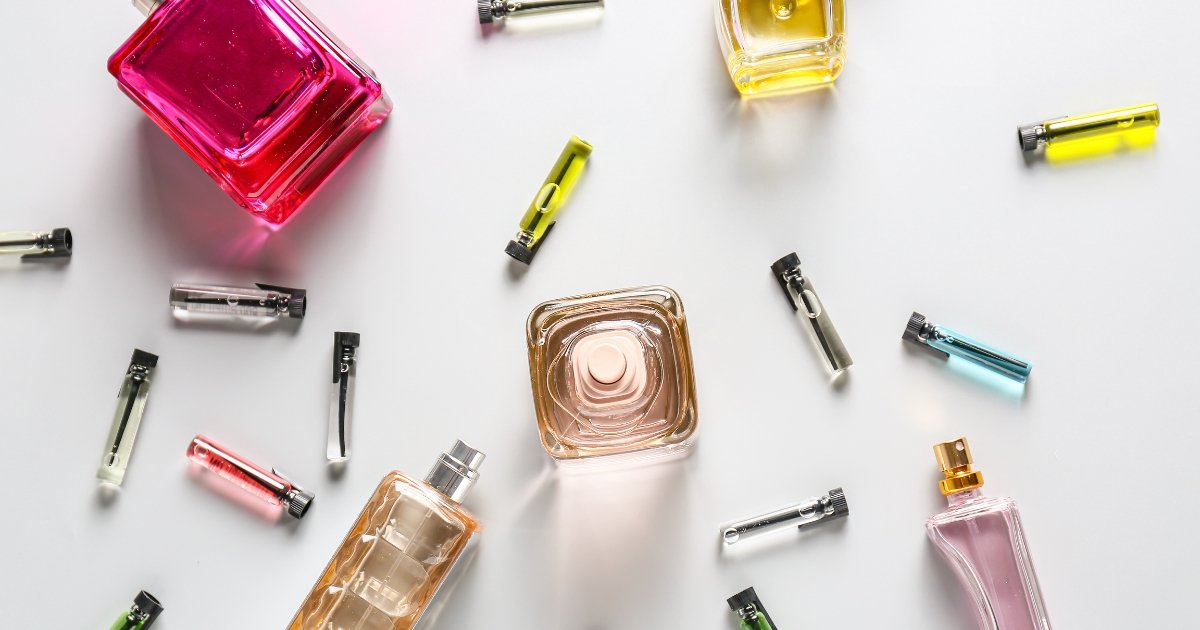
If you are just starting to navigate the world of wearing fragrance for yourself versus others, these steps can help you find your footing.
- Test First: Never buy a full bottle based on a “top compliment getters” list alone. Use samples or mini bottles to see how the scent reacts with your skin and whether you actually enjoy smelling it for eight hours at time.
- Ask for Honest Feedback: Instead of waiting for a random compliment, ask a trusted friend or partner for their opinion. Ask if the scent is too strong or if it suits your personality.
- Match Intensity to Context: Be mindful of your environment. A heavy, “beast mode” fragrance might get compliments at an outdoor evening event but could cause headaches in a cramped office space.
- Observe Reactions, Prioritize Comfort: While it is fine to notice how others react, your own comfort should always be the priority. If a scent makes you feel confident, that confidence is often more attractive to others than the fragrance itself.
For those interested in moving beyond the mainstream to find more unique, personal scents, exploring our Niche Fragrances Guide can provide insight into experimental houses that prioritize artistry over mass appeal.
Frequently Asked Questions (FAQ)
Are compliment-getting fragrances the same for everyone?
No, the effectiveness of a fragrance depends heavily on environmental and biological variables.
Cultural differences, local climate, and individual skin chemistry mean that a scent which is popular in one region might be perceived differently elsewhere. For example, heavy, sweet scents may be crowd-pleasers in cold climates but can become cloying and off-putting in high humidity. Additionally, skin pH and hydration levels can alter how notes develop, meaning a “universally loved” scent might smell significantly different on you than on someone else.
Should I choose scents I like even if they don’t get compliments?
Absolutely, as the primary purpose of wearing a fragrance should be your own personal enjoyment and emotional well-being.
If a scent makes you happy, evokes a pleasant memory, or boosts your mood, it is worth wearing regardless of external feedback. Fragrance is an intimate form of self-expression; prioritizing your own satisfaction ensures that you feel authentic. Over time, your confidence in wearing what you love often becomes more noticeable and attractive to others than the specific scent itself.
How do I find a balance between personal preference and social approval?
The most effective strategy is to curate a diverse “fragrance wardrobe” that categorizes scents by their intended use and environment.
By keeping a selection of reliable crowd-pleasers for professional settings, weddings, or formal events, you ensure you remain approachable in social spaces. Simultaneously, you can reserve your more complex, personal scents such as bold ouds or eccentric greens for private time or casual outings with people who understand your style. This rotation allows you to enjoy the best of both worlds without feeling like you are compromising your identity.
Can beginner-friendly scents still be unique?
Yes, many accessible and mainstream brands offer compositions that provide a unique twist on classic themes.
While mass-market fragrances aim for broad appeal, many designers collaborate with world-class perfumers to create “gateway” scents that include unexpected notes like rhubarb, salt, or metallic accords alongside traditional citrus or woods. This allows a beginner to stand out and express a distinct personality without veering into the highly polarizing territory of avant-garde perfumery.
Are niche fragrances less likely to get compliments?
Not necessarily, though they are often designed with a focus on artistic storytelling rather than broad marketability.
While many niche fragrances are incredibly crowd-pleasing and use high-quality ingredients that attract positive attention, others are intended to be “challenging” art pieces. These more daring compositions may use unusual notes that take time for the average person to appreciate. Consequently, while some niche scents are compliment magnets, others are better suited for those who prioritize the artistry and rarity of a scent over its social utility.
Conclusion: Balancing Social Appeal and Self-Expression
At its core, fragrance is both a personal journey of discovery and a social language. While compliment getting fragrances can provide a sense of validation and ease in social situations, they should not replace your own personal taste. The most rewarding approach is one of experimentation and rotation, learning when to wear a reliable crowd-pleaser and when to indulge in a scent that is deeply personal. By balancing these two worlds, you ensure that your fragrance collection serves both your social life and your inner well-being. For more information on starting your journey, visit our educational guides on selection and niche exploration.